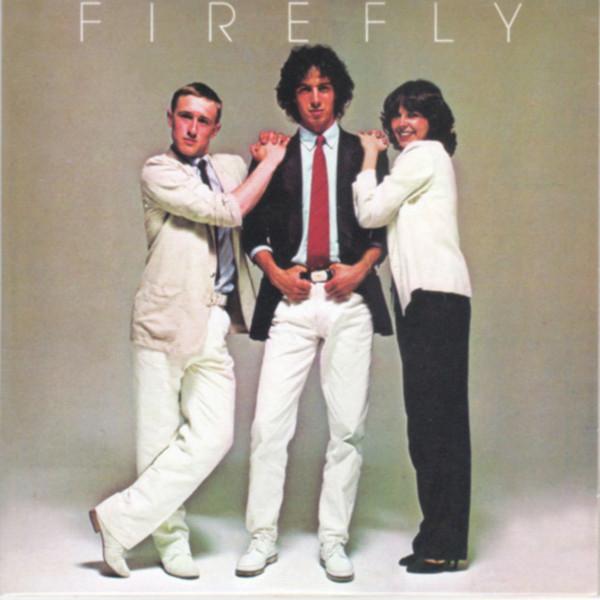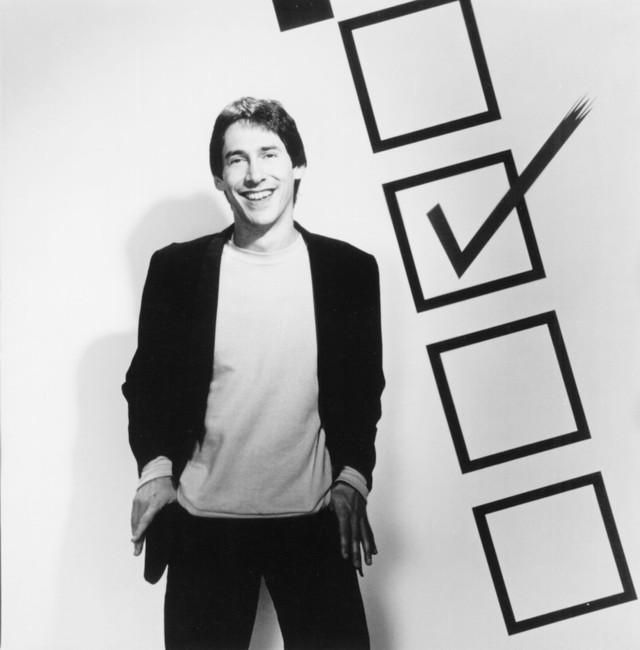
Chaz Jankel

R&B
Funk
Disco house
 Viberate Rank: 119650
 Viberate Rank: 119650
 Monthly ListenersFollowers
 Subscribers
 Followers
 Followers
 FansTop Spotify Songs
| Track | 7-Day Streams | |
|---|---|---|
1 | 3.63K | |
2 | 3.63K | |
3 | 235 | |
4 | 216 | |
5 | 202 |
Top YouTube VideosMonthly ListenersFeatured in Playlists| Playlist | Followers | |
|---|---|---|
1 |  Soul Train 70s Disco and Funk djlarras | 69.74K |
2 |  60s 70s 80s 90s 00s Greatest Hits and Songs Diestro Music | 51.95K |
3 | STUDIO 54 GREATEST HITS OF ALL-TIME Jerald Henry | 37.68K |
4 | Funky 80's Pascal Amiaud | 37.68K |
5 |  Late Night Tales: The Collection Late Night Tales | 32.82K |
Audience| City | Monthly Listeners | |
|---|---|---|
1 |  | 174 |
2 | | 162 |
3 |  | 93 |
4 |  | 83 |
5 |  | 78 |
See full performance history, audience data, playlist activity, rankings, comparisons, and more in Viberate music analytics. Start with a free trial, then continue with a paid plan.
Chaz Jankel’s Spotify BioChaz Jankel came to prominence as the musical director for Ian Dury's Blockheads, helping to steer those pub rock survivors away from punk and toward funk, disco, and pop. Jankel went further into fusion on his own, creating a dexterous, stylish music that dashed between the boundaries separating new wave and the mainstream. Quincy Jones spotted "Ai No Corrida" on Jankel's eponymous solo debut and decided to have Dune sing the tune for The Dude, Quincy's 1981 blockbuster. Jones' version of "Ai No Corrida" became an international hit, reaching 28 on Billboard's Hot 100 and 14 on the U.K. charts, thereby establishing Jankel as a force outside of the Blockheads. Over the next decade, Jankel worked on his own, releasing a total of four solo albums in the first half of the 1980s and scoring a massive dance club hit with 1981's "Glad to Know You," but he eventually wound his way back to Ian Dury, serving as his chief collaborator on 1998's Mr. Love Pants and 2000's Ten More Turnips from the… Tip. Dury died shortly afterward, leaving Jankel as the leader of the Blockheads, a role he'd maintain alongside his solo career.
Born on April 16, 1952 in Stanmore, Middlesex, Chaz Jankel was drawn to music by Lonnie Donegan, the king of Britain's skiffle craze of the 1960s. He picked up the guitar as a child, then learned piano. While he was at boarding school, he fell in love with soul and funk, but his first major band was a folk-rock group called Byzantium, which he played in while attending Saint Martin's School of Art in the early 1970s.
After leaving Byzantium, Jankel joined Jonathan Kelly's Outside, appearing on their 1974 LP Waiting on You, then he went on to Kilburn and the High Roads during their final days in the mid-'70s. Jankel hit it off with Kilburn leader Ian Dury, so once the High Roads split, the pair formed the Blockheads, a punk band that supported Dury on his 1977 solo debut, New Boots and Panties!! The Blockheads swiftly steered toward funk and disco on 1970's Do It Yourself, a shift in direction that accentuated Jankel's musical interests.
Do It Yourself turned into a huge hit for Dury, providing momentum for Jankel to launch a solo career in 1980; he'd continue to write with Dury, notably collaborating on "Spasticus Autisticus" from 1981's Lord Upminster. Signing with A&M, he released his eponymous solo debut. Chasanova followed in 1981 (in the U.S. it was called Questionnaire), making inroads in the U.S. thanks to the single "Glad to Know You," which became a number one hit on Billboard's Hot Dance Club Play chart, staying there for seven weeks. That same year, Quincy Jones covered "Ai No Corrida," the lead track from Chaz Jankel. Jones' version became an international hit, turning the song into something of a new wave disco standard. Chazablanca arrived in 1983 and Looking at You came out in 1985 -- its lead single "Number One" appeared on the soundtrack to the Val Kilmer comedy Real Genius that year -- then Jerry Moss of A&M rejected a subsequent fifth album, leading to the label dropping Jankel.
Jankel relocated to the United States in the late 1980s, where he started to work as a film composer beginning with Susan Seidelman's 1987 comedy Making Mr. Right and the Dennis Quaid-starring remake of the 1949 film noir D.O.A.; the latter was co-directed by Chaz's sister Annabel. He eventually returned to the United Kingdom in the mid-'90s, leading to a reunion with Dury and the Blockheads. Jankel and Dury collaborated on the singer's final two albums, 1998's Mr. Love Pants and 2000's Ten More Turnips from the Tip. After Dury's death in 2000, Jankel led the Blockheads through a number of tours and records, all the while continuing to work on a solo career of his own. Throughout the 2000s, he regularly released albums on CJ Records, culminating with 2010's The Submarine Has Surfaced. During the 2010s, his recording projects involved the Blockheads, who released Same Horse Different Jockey in 2013 and Beyond the Call of Dury in 2017.
Cherry Red Records released Glad to Know You: The Anthology 1980-1986, a five-disc compilation of Jankel's A&M recordings, in 2020. ~ Stephen Thomas Erlewine, Rovi
Viberate is a music analytics platform built for A&Rs, artist managers, labels, booking agents, marketers, and artists.
It helps music professionals track artist growth, analyze audience data, monitor playlist activity, compare artists, follow song performance, and identify opportunities across the music market.
Public artist pages provide a free preview of selected artist data. Paid plans provide access to deeper analytics, historical data, charts, comparisons, playlist tools, exports, alerts, reports, and additional professional features.
Yes. Public Viberate artist pages provide selected artist analytics and music data for free.
Viberate also offers a 7-day free trial of the full platform. A credit card is required to start the trial. The trial includes access to the complete product so users can test deeper artist analytics, historical views, playlist insights, comparisons, charts, exports, alerts, and reporting features before choosing a paid plan.
Viberate provides artist analytics across streaming, playlists, social media, video, radio airplay, songs, and audience markets.
Users can analyze Spotify performance, Spotify and Apple Music playlists, YouTube activity, TikTok and Instagram growth, radio spins, song performance, audience locations, demographics, rankings, and overall artist momentum.
Artist profiles also connect to music charts, similar artists, and comparison tools, helping users benchmark performance and evaluate artists in context.
Viberate updates key artist and track data daily.
For followed artists and tracks, selected data is refreshed multiple times per day. This helps teams monitor playlist changes, streaming movement, audience growth, releases, and campaign performance with more current data.
Update frequency can vary depending on the metric and data source.
Yes. Viberate lets users compare up to five artists side by side across streaming, social media, audience, and engagement metrics.
Users can compare fanbase growth, audience demographics, locations, Spotify performance, social metrics, and other artist data over selected time periods.
Artist comparison can be used for A&R scouting, benchmarking, booking decisions, campaign planning, and evaluating artists with similar audiences or market positions.