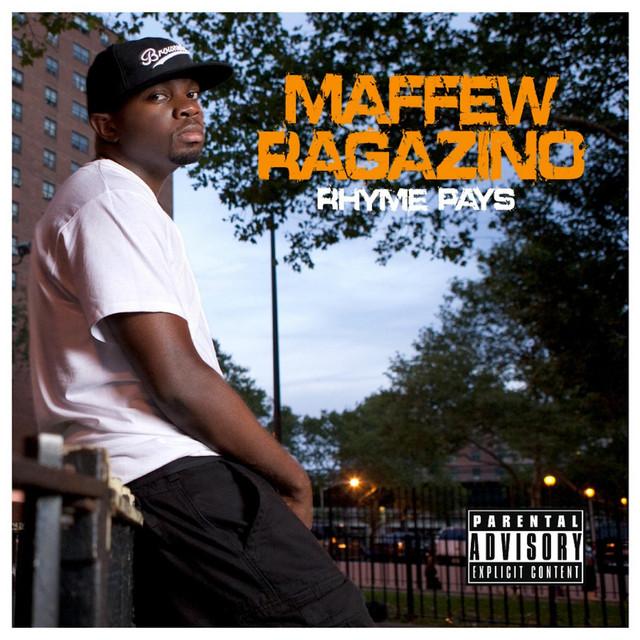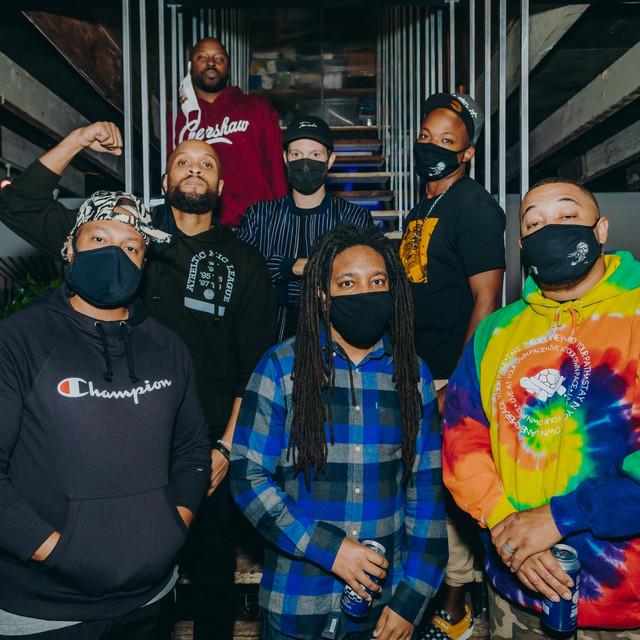
Chaundon

Hip Hop
Contemporary Hip Hop
Underground Hip Hop
 Viberate Rank: 447950
 Viberate Rank: 447950
 Monthly ListenersFollowers
 Subscribers
 Followers
 Followers
 FansTop Spotify Songs
| Track | 7-Day Streams | |
|---|---|---|
1 | 1.11K | |
2 | 793 | |
3 | 308 | |
4 | 223 | |
5 | 162 |
Top YouTube VideosMonthly ListenersFeatured in Playlists| Playlist | Followers | |
|---|---|---|
1 |  Jazz Hip Hop Johnny Jazzmatazz | 55.59K |
2 |  City Nights 🌙 90s Style Hip Hop Chill Select | 7.68K |
3 |  Night Check - Underground Hip Hop Vlad Dobrescu | 6.21K |
4 |  Chill / Underground Hip-Hop J Thompson | 5.67K |
5 |  Samples + Originals Forever a Jam | 5.50K |
Audience| City | Monthly Listeners | |
|---|---|---|
1 | | 13 |
2 |  | 9 |
3 |  | 8 |
4 |  | 6 |
5 | | 6 |
See full performance history, audience data, playlist activity, rankings, comparisons, and more in Viberate music analytics. Start with a free trial, then continue with a paid plan.
Chaundon’s Spotify BioPart of Little Brother's larger North Carolina collective the Justus League, Chaundon was born in the Bronx and first started to pen rhymes when he was 13 years old. He came into contact with each of the members of Little Brother in 1999 after transferring to North Carolina Central University in Durham from Barber Scotia College in Concord, NC. The hardcore lyricist played an integral role in building the Justus League as a credible source of hip-hop music in North Carolina; in particular, he discovered producer Khrysis, who has helped critically define the collective's sound along with 9th Wonder. In terms of promoting himself, his approach was very dogged. He extended himself all over campus, performing at shows, local clubs, and radio stations. That work ethic, of course, translated to recording and produced a number of mixtapes, including his first, Slow Leaks, in 2003. As he waited to put out his own full-length, the Durham-via-Bronx rapper made guest appearances on albums by his… fellow League brethren, like Little Brother's controversial The Minstrel Show (2005) and L.E.G.A.C.Y.'s Project Mayhem (2005). Finally, Hall of Justus Music Group, Chaundon's label home, attained a distribution deal with Defend, which issued the MC's first proper LP, Carnage, in 2008. ~ Cyril Cordor, Rovi
Viberate is a music analytics platform built for A&Rs, artist managers, labels, booking agents, marketers, and artists.
It helps music professionals track artist growth, analyze audience data, monitor playlist activity, compare artists, follow song performance, and identify opportunities across the music market.
Public artist pages provide a free preview of selected artist data. Paid plans provide access to deeper analytics, historical data, charts, comparisons, playlist tools, exports, alerts, reports, and additional professional features.
Yes. Public Viberate artist pages provide selected artist analytics and music data for free.
Viberate also offers a 7-day free trial of the full platform. A credit card is required to start the trial. The trial includes access to the complete product so users can test deeper artist analytics, historical views, playlist insights, comparisons, charts, exports, alerts, and reporting features before choosing a paid plan.
Viberate provides artist analytics across streaming, playlists, social media, video, radio airplay, songs, and audience markets.
Users can analyze Spotify performance, Spotify and Apple Music playlists, YouTube activity, TikTok and Instagram growth, radio spins, song performance, audience locations, demographics, rankings, and overall artist momentum.
Artist profiles also connect to music charts, similar artists, and comparison tools, helping users benchmark performance and evaluate artists in context.
Viberate updates key artist and track data daily.
For followed artists and tracks, selected data is refreshed multiple times per day. This helps teams monitor playlist changes, streaming movement, audience growth, releases, and campaign performance with more current data.
Update frequency can vary depending on the metric and data source.
Yes. Viberate lets users compare up to five artists side by side across streaming, social media, audience, and engagement metrics.
Users can compare fanbase growth, audience demographics, locations, Spotify performance, social metrics, and other artist data over selected time periods.
Artist comparison can be used for A&R scouting, benchmarking, booking decisions, campaign planning, and evaluating artists with similar audiences or market positions.