Chasing Safety

Rock
Alternative Rock
Post Hardcore
 Viberate Rank: 231761
 Viberate Rank: 231761
 Monthly ListenersFollowers
 Subscribers
 Followers
 Followers
 FansTop Spotify Songs
| Track | 7-Day Streams | |
|---|---|---|
1 | 822 | |
2 | 539 | |
3 | 457 | |
4 | 387 | |
5 | 349 |
Top YouTube VideosMonthly ListenersFeatured in Playlists| Playlist | Followers | |
|---|---|---|
1 | Pop goes punk vol 1-10 alexdrumsalot | 55.71K |
2 |  Post-Hardcore atruskot | 46.52K |
3 |  Rock Covers of Famous Songs Noah | 16.68K |
4 | Punk goes Pop Power - Dance your a** off hansvonderweide | 8.94K |
5 |  niche posthardcore!! Python? | 8.48K |
Audience| City | Monthly Listeners | |
|---|---|---|
1 | | 107 |
2 | | 94 |
3 | | 86 |
4 | | 75 |
5 | | 71 |
See full performance history, audience data, playlist activity, rankings, comparisons, and more in Viberate music analytics. Start with a free trial, then continue with a paid plan.
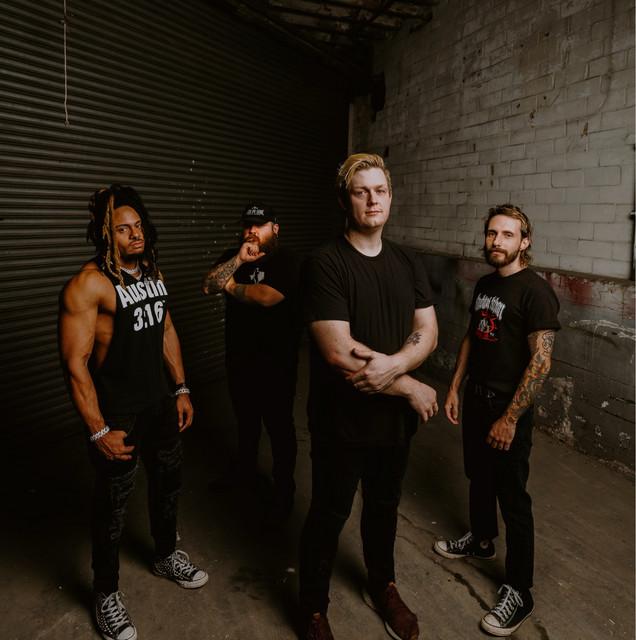
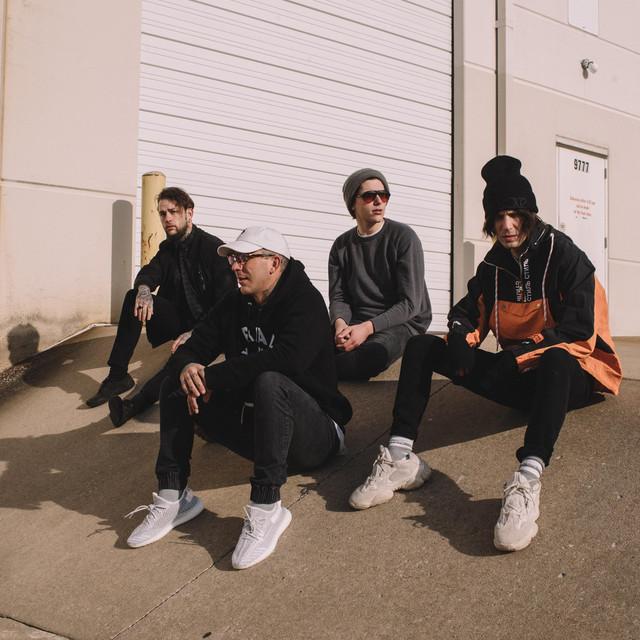
Chasing Safety’s Spotify BioNew Jersey post-hardcore outfit Chasing Safety deliver crunchy riffs, melodic wails, and bloody screaming akin to Beartooth and Underøath. Formed in 2013 by vocalist Johnny Galivan, clean vocalist/bassist Kenny Davis, drummer Luke Genocide, and guitarists Steve Novoa and Derek Williams, the quintet originally performed as Us, from Outside before changing their name. They signed with Outerloop Records and reissued their debut EP, The Machine, in early 2014. That same year, they released their first full-length. Season of the Dead was produced by Dan Korneff (Pierce the Veil, the Devil Wears Prada, Motionless in White, Crown the Empire) and Nick Sampson and featured a handful of guests, including Ice Nine Kills frontman Spencer Charnas on "Listen Clearly." Novoa parted ways with the band in 2015, replaced by Patrick Hall. The following year, in the midst of touring and recording a follow-up album, Williams also left the band. Reduced to a quartet, Chasing Safety released sophomore LP… Nomad in 2017 with Korneff and Sampson returning as producers. ~ Neil Z. Yeung, Rovi
Viberate is a music analytics platform built for A&Rs, artist managers, labels, booking agents, marketers, and artists.
It helps music professionals track artist growth, analyze audience data, monitor playlist activity, compare artists, follow song performance, and identify opportunities across the music market.
Public artist pages provide a free preview of selected artist data. Paid plans provide access to deeper analytics, historical data, charts, comparisons, playlist tools, exports, alerts, reports, and additional professional features.
Yes. Public Viberate artist pages provide selected artist analytics and music data for free.
Viberate also offers a 7-day free trial of the full platform. A credit card is required to start the trial. The trial includes access to the complete product so users can test deeper artist analytics, historical views, playlist insights, comparisons, charts, exports, alerts, and reporting features before choosing a paid plan.
Viberate provides artist analytics across streaming, playlists, social media, video, radio airplay, songs, and audience markets.
Users can analyze Spotify performance, Spotify and Apple Music playlists, YouTube activity, TikTok and Instagram growth, radio spins, song performance, audience locations, demographics, rankings, and overall artist momentum.
Artist profiles also connect to music charts, similar artists, and comparison tools, helping users benchmark performance and evaluate artists in context.
Viberate updates key artist and track data daily.
For followed artists and tracks, selected data is refreshed multiple times per day. This helps teams monitor playlist changes, streaming movement, audience growth, releases, and campaign performance with more current data.
Update frequency can vary depending on the metric and data source.
Yes. Viberate lets users compare up to five artists side by side across streaming, social media, audience, and engagement metrics.
Users can compare fanbase growth, audience demographics, locations, Spotify performance, social metrics, and other artist data over selected time periods.
Artist comparison can be used for A&R scouting, benchmarking, booking decisions, campaign planning, and evaluating artists with similar audiences or market positions.