CHARLOT

Pop
Mainstream Pop
 Viberate Rank: 200202
 Viberate Rank: 200202
 Monthly ListenersFollowers
 Subscribers
 Followers
 Followers
 FansTop Spotify Songs
| Track | 7-Day Streams | |
|---|---|---|
1 | 3.04K | |
2 | 1.12K | |
3 | 1.00K | |
4 | 721 | |
5 | 689 |
Top YouTube VideosMonthly ListenersFeatured in Playlists| Playlist | Followers | |
|---|---|---|
1 |  rustig aan Spotify | 189.83K |
2 |  Indie Update Spotify | 103.90K |
3 |  GREESHA LOVE❤️ MIXTAPE 2026 | LOVE VIBES 2026 | Greeshamusic | 81.26K |
4 |  The Best Pop De Music | 43.25K |
5 |  Lowlands Festival 2024 [official] Lowlands Festival [official] | 14.71K |
Audience| City | Monthly Listeners | |
|---|---|---|
1 | | 1.46K |
2 | | 582 |
3 | | 429 |
4 | | 313 |
5 | | 258 |
See full performance history, audience data, playlist activity, rankings, comparisons, and more in Viberate music analytics. Start with a free trial, then continue with a paid plan.
CHARLOT’s Spotify Bio“‘Cause it’s all just a movie we’re directing, we can choose to stop projecting - only then we’ll see the truth.”
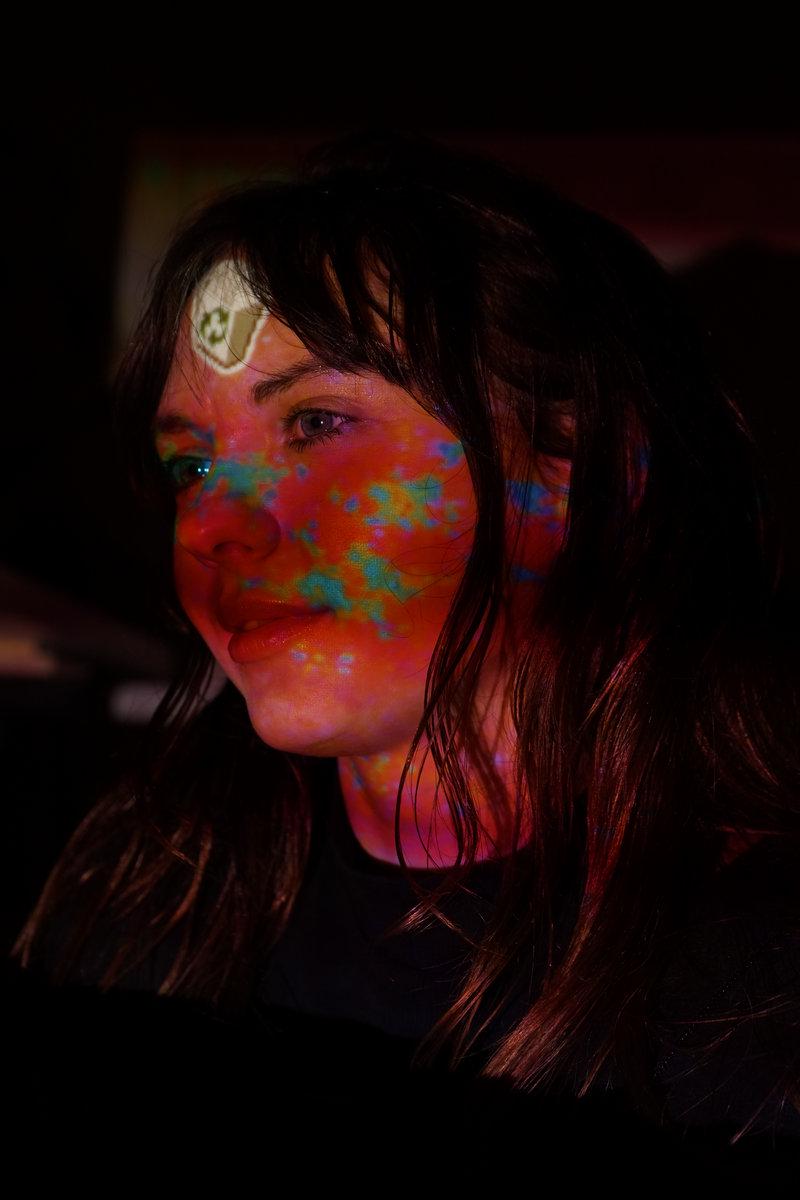
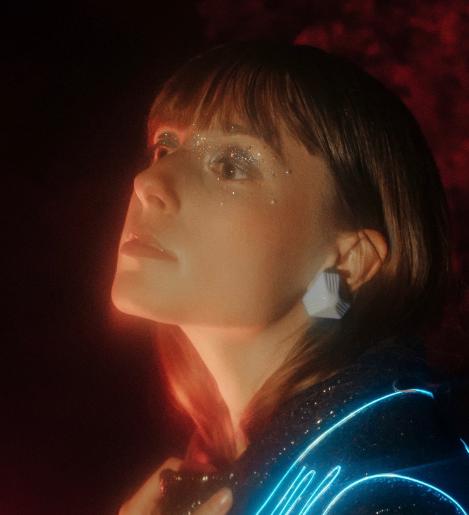
CHARLOT is driven by a deep need to understand. After writing her debut album, ‘Lost Like Alice’—in which she wandered through questions of meaning and identity— she discovers in her new work that identity itself might not be what matters most. Inspired by psychology and Eastern philosophy, she realizes she has drifted away from what is truly essential: her initial love for creating, the practice of (self)compassion, and the ability to wonder and stay curious. Her new music arises when she turns inward and slows down in a world that never stops buzzing.
The band likes to describe their sound as cinematic art-pop (or “cinemapop”): music that feels like film. It emphasizes visual storytelling, hypnotic synth layers and vocals that feel intimate and mystical. On stage, this vision unfolds into a multidisciplinary performance—an immersive, dreamlike world where music meets art.
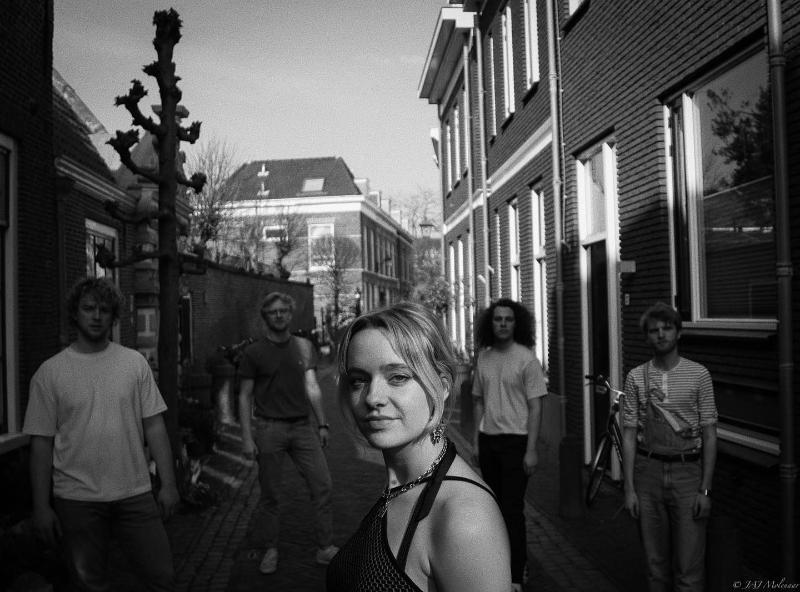
In… recent years, CHARLOT and her band have been praised as the #2 best act at Noorderslag by 3voor12, who wrote: “CHARLOT and her band are ready for the bigger venues.” They have performed at Lowlands, supported Froukje at AFAS Live and the Lotto Arena, and toured their own show throughout the Netherlands and Belgium.
Consists of:
Lotte Mulder
Boaz van Willigenburg
Hilde Luytjes
Alex Haak
Contact: info@charlot-music.com
Viberate is a music analytics platform built for A&Rs, artist managers, labels, booking agents, marketers, and artists.
It helps music professionals track artist growth, analyze audience data, monitor playlist activity, compare artists, follow song performance, and identify opportunities across the music market.
Public artist pages provide a free preview of selected artist data. Paid plans provide access to deeper analytics, historical data, charts, comparisons, playlist tools, exports, alerts, reports, and additional professional features.
Yes. Public Viberate artist pages provide selected artist analytics and music data for free.
Viberate also offers a 7-day free trial of the full platform. A credit card is required to start the trial. The trial includes access to the complete product so users can test deeper artist analytics, historical views, playlist insights, comparisons, charts, exports, alerts, and reporting features before choosing a paid plan.
Viberate provides artist analytics across streaming, playlists, social media, video, radio airplay, songs, and audience markets.
Users can analyze Spotify performance, Spotify and Apple Music playlists, YouTube activity, TikTok and Instagram growth, radio spins, song performance, audience locations, demographics, rankings, and overall artist momentum.
Artist profiles also connect to music charts, similar artists, and comparison tools, helping users benchmark performance and evaluate artists in context.
Viberate updates key artist and track data daily.
For followed artists and tracks, selected data is refreshed multiple times per day. This helps teams monitor playlist changes, streaming movement, audience growth, releases, and campaign performance with more current data.
Update frequency can vary depending on the metric and data source.
Yes. Viberate lets users compare up to five artists side by side across streaming, social media, audience, and engagement metrics.
Users can compare fanbase growth, audience demographics, locations, Spotify performance, social metrics, and other artist data over selected time periods.
Artist comparison can be used for A&R scouting, benchmarking, booking decisions, campaign planning, and evaluating artists with similar audiences or market positions.