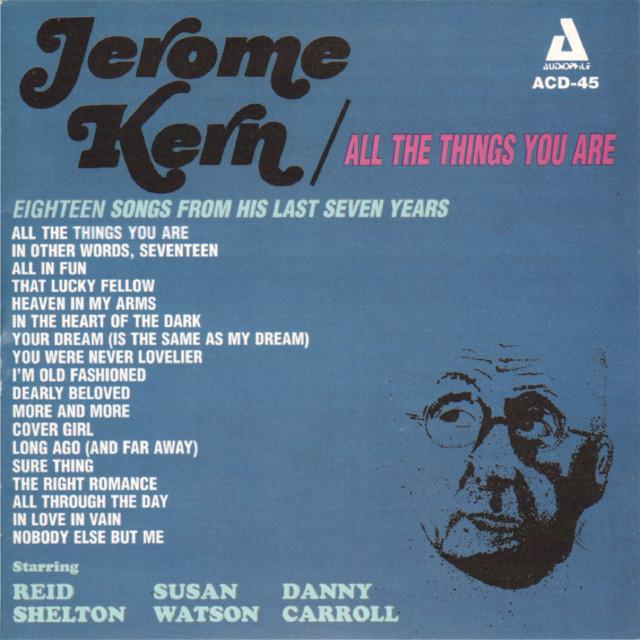
Charles Strouse

Classical
Classical Crossover
 Viberate Rank: 143353
 Viberate Rank: 143353
 Monthly ListenersFollowers
 Subscribers
 Followers
 Followers
 FansTop Spotify Songs
| Track | 7-Day Streams | |
|---|---|---|
1 | 25.96K | |
2 | 14.27K | |
3 | 13.00K | |
4 | 12.51K | |
5 | 12.14K |
Top YouTube VideosMonthly ListenersFeatured in Playlists| Playlist | Followers | |
|---|---|---|
1 |  Deadpool Official Playlist Spotify | 627.00K |
2 |  Fidi & Bumsi Spotify | 353.23K |
3 |  Broadway Belts Spotify | 135.23K |
4 |  Deadpool & Wolverine Soundtrack. X-MEN Movies Celebration. Sebastián Galaviz | 115.52K |
5 | Guess that Tune. Ben | 111.03K |
Audience| City | Monthly Listeners | |
|---|---|---|
1 |  | 4.01K |
2 | | 3.87K |
3 |  | 2.90K |
4 | | 2.72K |
5 | | 2.48K |
See full performance history, audience data, playlist activity, rankings, comparisons, and more in Viberate music analytics. Start with a free trial, then continue with a paid plan.
Charles Strouse’s Spotify BioThree-time Tony-award-winning songwriter (Bye Bye Birdie, Applause, Annie) Charles Strouse can remember attending shows at an early age with his parents and being awestruck with all the glamour. The composer of "Put on a Happy Face" (from Bye Bye Birdie), "A Lot of Living to Do," and "Once Upon a Time" has enjoyed success on both the stage and screen. He co-wrote the opening theme for Norman Lear's '70s TV sitcom All in the Family titled "Those Were the Days." His frequent collaborators were Lee Adams, Alan Jay Lerner, Martin Charnin, and Sammy Cahn.
He received a degree in composition from the Eastman School of Music and studied with Aaron Copeland and Nadia Boulanger. He started his professional music career as a piano player for dance bands. Later he became a pianist for theatre rehearsals.
Bye Bye Birdie, his first and probably most-known success, was responsible for winning him his first Tony Award. The London production of the show won the London Critics' Best Foreign Musical… Award. Strouse also co-wrote the 1966 musical It's a Bird, a Plane, It's Superman and Golden Boy starring Sammy Davis Jr. In 1970, Strouse won another Tony for Applause starring Lauren Bacall.
Two of the musicals were made into major motion pictures: Bye Bye Birdie, starring Janet Leigh, Dick Van Dyke, and Ann Margaret (Columbia, 1963), and Annie (Columbia, 1982). The soundtrack to Annie went gold -- extremely rare for a show tunes album -- mainly off of the ballad "Tomorrow." The song has been covered by numerous artists including Johnny Mathis and Cissy Houston. The LP has the distinction of winning both a Tony and two Grammy awards. Bye Bye Birdie was also a 1995 ABC-TV movie starring Jason Alexander of Seinfeld. The song "Let's Settle Down" won a 1996 Primetime Emmy Award.
Strouse contributed scores and or songs to the following movies: Bonnie and Clyde (1967), The Night They Raided Minsky's (1968), There Was a Crooked Man (1970), Just Tell Me What You Want (1980), Ishtar (1987), and All Dogs Go to Heaven (1989).
Other musicals Strouse has contributed to include Broadway Musical, Charlie and Algernon, All American written with Mel Brooks and Lee Adams, Mayor, Dance a Little Closer, Nick and Nora, Annie Warbucks, Rags, and Nightingale. By Strouse, a musical consisting of songs from Strouse's catalog, tours frequently, while Strouse himself is an active guest lecturer.
Viberate is a music analytics platform built for A&Rs, artist managers, labels, booking agents, marketers, and artists.
It helps music professionals track artist growth, analyze audience data, monitor playlist activity, compare artists, follow song performance, and identify opportunities across the music market.
Public artist pages provide a free preview of selected artist data. Paid plans provide access to deeper analytics, historical data, charts, comparisons, playlist tools, exports, alerts, reports, and additional professional features.
Yes. Public Viberate artist pages provide selected artist analytics and music data for free.
Viberate also offers a 7-day free trial of the full platform. A credit card is required to start the trial. The trial includes access to the complete product so users can test deeper artist analytics, historical views, playlist insights, comparisons, charts, exports, alerts, and reporting features before choosing a paid plan.
Viberate provides artist analytics across streaming, playlists, social media, video, radio airplay, songs, and audience markets.
Users can analyze Spotify performance, Spotify and Apple Music playlists, YouTube activity, TikTok and Instagram growth, radio spins, song performance, audience locations, demographics, rankings, and overall artist momentum.
Artist profiles also connect to music charts, similar artists, and comparison tools, helping users benchmark performance and evaluate artists in context.
Viberate updates key artist and track data daily.
For followed artists and tracks, selected data is refreshed multiple times per day. This helps teams monitor playlist changes, streaming movement, audience growth, releases, and campaign performance with more current data.
Update frequency can vary depending on the metric and data source.
Yes. Viberate lets users compare up to five artists side by side across streaming, social media, audience, and engagement metrics.
Users can compare fanbase growth, audience demographics, locations, Spotify performance, social metrics, and other artist data over selected time periods.
Artist comparison can be used for A&R scouting, benchmarking, booking decisions, campaign planning, and evaluating artists with similar audiences or market positions.