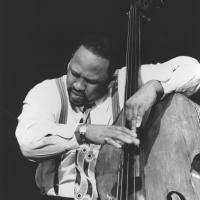
Charles Fambrough

Jazz
Free Jazz
Smooth Jazz
 Viberate Rank: 465071
 Viberate Rank: 465071
 Monthly ListenersFollowers
 Subscribers
 Followers
 Followers
 FansTop Spotify Songs
| Track | 7-Day Streams | |
|---|---|---|
1 | 430 | |
2 | 200 | |
3 | 167 | |
4 | 96 | |
5 | 75 |
Top YouTube VideosMonthly ListenersFeatured in Playlists| Playlist | Followers | |
|---|---|---|
1 |  This Is Art Blakey Spotify | 6.13K |
2 |  Paradise Is a Frequency Paradise Is a Frequency | 2.63K |
3 |  This Is Danny Gatton Spotify | 1.82K |
4 |  Brilliant Corners 1196981250 | 1.48K |
5 | Contemporary Smooth Jazz 1257283266 | 1.35K |
Audience| City | Monthly Listeners | |
|---|---|---|
1 | | 53 |
2 | | 42 |
3 | | 33 |
4 | | 28 |
5 |  | 22 |
See full performance history, audience data, playlist activity, rankings, comparisons, and more in Viberate music analytics. Start with a free trial, then continue with a paid plan.
Charles Fambrough’s Spotify BioBest known for his stint with Art Blakey's Jazz Messengers, bassist Charles Fambrough led three very effective all-star dates for CTI that were filled with his stimulating originals. He originally studied classical piano but switched to bass when he was 13. In 1968, Fambrough began playing with local pit bands for musicals and after some freelancing in 1970, he joined Grover Washington, Jr.'s band, staying with the popular saxophonist up until 1974. Fambrough was with Airto (1975-1977), McCoy Tyner (1978-1980), and then Art Blakey (1980-1982). After that time, he freelanced in many different situations. Fambrough's sidemen on his CTI recordings included Wynton and Branford Marsalis, Roy Hargrove, Kenny Kirkland, Jerry Gonzalez, Steve Turre, Donald Harrison, Kenny Garrett, Abdullah Ibrahim, and Grover Washington, Jr. Charles Fambrough died at the age of 60 of a heart attack at his home in Allentown, PA on January 1, 2011; he had reportedly been suffering from a number of serious… ailments including end-stage renal disease and congestive heart failure, and benefit concerts had been held over the preceding several years in the Philadelphia area to help the bassist and his family defray the costs of his mounting medical bills. ~ Scott Yanow, Rovi
Viberate is a music analytics platform built for A&Rs, artist managers, labels, booking agents, marketers, and artists.
It helps music professionals track artist growth, analyze audience data, monitor playlist activity, compare artists, follow song performance, and identify opportunities across the music market.
Public artist pages provide a free preview of selected artist data. Paid plans provide access to deeper analytics, historical data, charts, comparisons, playlist tools, exports, alerts, reports, and additional professional features.
Yes. Public Viberate artist pages provide selected artist analytics and music data for free.
Viberate also offers a 7-day free trial of the full platform. A credit card is required to start the trial. The trial includes access to the complete product so users can test deeper artist analytics, historical views, playlist insights, comparisons, charts, exports, alerts, and reporting features before choosing a paid plan.
Viberate provides artist analytics across streaming, playlists, social media, video, radio airplay, songs, and audience markets.
Users can analyze Spotify performance, Spotify and Apple Music playlists, YouTube activity, TikTok and Instagram growth, radio spins, song performance, audience locations, demographics, rankings, and overall artist momentum.
Artist profiles also connect to music charts, similar artists, and comparison tools, helping users benchmark performance and evaluate artists in context.
Viberate updates key artist and track data daily.
For followed artists and tracks, selected data is refreshed multiple times per day. This helps teams monitor playlist changes, streaming movement, audience growth, releases, and campaign performance with more current data.
Update frequency can vary depending on the metric and data source.
Yes. Viberate lets users compare up to five artists side by side across streaming, social media, audience, and engagement metrics.
Users can compare fanbase growth, audience demographics, locations, Spotify performance, social metrics, and other artist data over selected time periods.
Artist comparison can be used for A&R scouting, benchmarking, booking decisions, campaign planning, and evaluating artists with similar audiences or market positions.