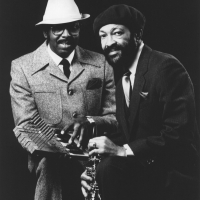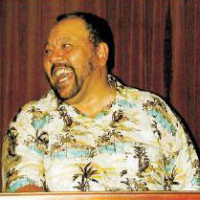
Charles Earland

Jazz
Jazz Fusion
Classic Blues
 Viberate Rank: 160866
 Viberate Rank: 160866
 Monthly ListenersFollowers
 Subscribers
 Followers
 Followers
 FansTop Spotify Songs
| Track | 7-Day Streams | |
|---|---|---|
1 | 1.87K | |
2 | 1.74K | |
3 | 1.72K | |
4 | 1.56K | |
5 | 1.06K |
Top YouTube VideosMonthly ListenersFeatured in Playlists| Playlist | Followers | |
|---|---|---|
1 |  I Love My 70s Funk Spotify | 103.56K |
2 |  60s 70s 80s 90s 00s Greatest Hits and Songs Diestro Music | 51.95K |
3 |  Jazz Dispensary's Songs of the Day Jazz Dispensary | 51.86K |
4 | Michelle Obama's Musiaqualogy Vol 1 1964-1979 by Questlove Ahmir Khalib Thompson | 25.80K |
5 |  David Mancuso at The Loft Honey-K | 16.38K |
Audience| City | Monthly Listeners | |
|---|---|---|
1 |  | 659 |
2 | | 389 |
3 | | 381 |
4 | | 309 |
5 |  | 271 |
See full performance history, audience data, playlist activity, rankings, comparisons, and more in Viberate music analytics. Start with a free trial, then continue with a paid plan.
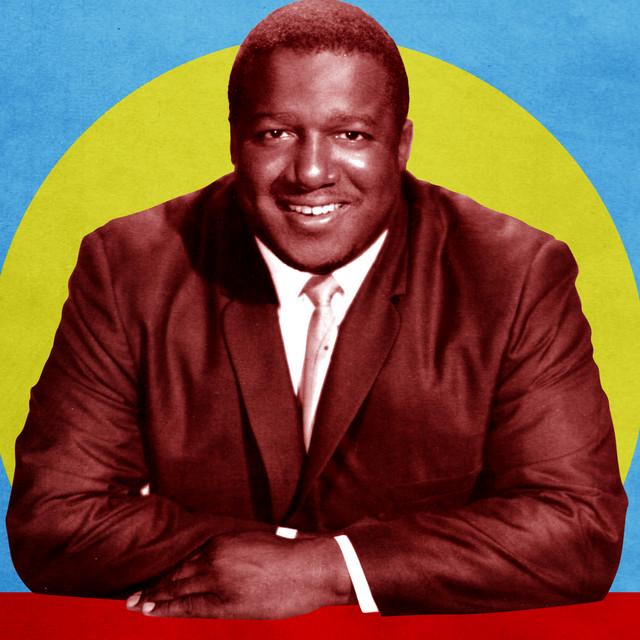
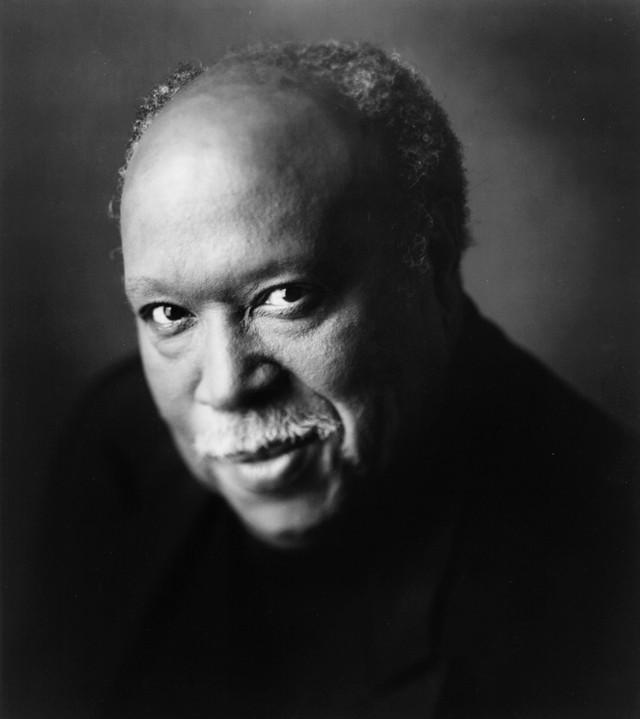
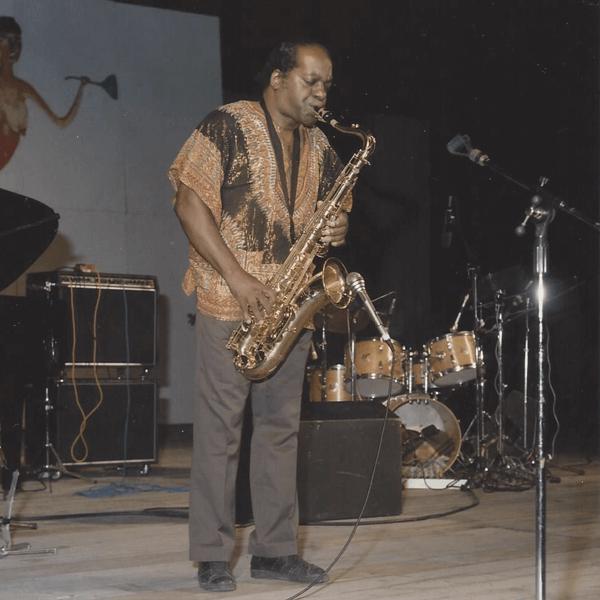
Charles Earland’s Spotify BioCharles Earland came into his own at the tail-end of the great 1960s wave of soul-jazz organists, gaining a large following and much airplay with a series of albums for the Prestige label. While heavily indebted to Jimmy Smith and Jimmy McGriff, Earland came armed with his own swinging, technically agile, light-textured sound on the keyboard and one of the best walking-bass pedal techniques in the business. Though not an innovative player in his field, Earland burned with the best of them when he was on.
Earland actually started his musical experiences surreptitiously on his father's alto sax as a kid, and when he was in high school, he played baritone in a band that also featured fellow Philadelphians Pat Martino on guitar, Lew Tabackin on tenor, and yes, Frankie Avalon on trumpet. After playing in the Temple University band, he toured as a tenor player with McGriff for three years, became infatuated with McGriff's organ playing, and started learning the Hammond B-3 at intermission… breaks. When McGriff let him go, Earland switched to the organ permanently, forming a trio with Martino and drummer Bobby Durham. He made his first recordings for Choice in 1966, then joined Lou Donaldson for two years (1968-1969) and two albums before being signed as a solo artist to Prestige. Earland's first album for Prestige, Black Talk!, became a best-selling classic of the soul-jazz genre; a surprisingly effective cover of the Spiral Starecase's pop/rock hit "More Today Than Yesterday" from that LP received saturation airplay on jazz radio in 1969. He recorded eight more albums for Prestige, one of which featured a young unknown Philadelphian named Grover Washington, Jr., then switched to Muse before landing contracts with Mercury and Columbia. By this time, the organ trio genre had gone into eclipse, and in the spirit of the times, Earland acquired some synthesizers and converted to pop/disco in collaboration with his wife, singer/songwriter Sheryl Kendrick. Kendrick's death from sickle-cell anemia in 1985 left Earland desolate, and he stopped playing for awhile, but a gig at the Chickrick House on Chicago's South Side in the late '80s brought him out of his grief and back to the Hammond B-3. Two excellent albums in the old soul-jazz groove for Milestone followed, and the '90s found him returning to the Muse label. Earland died of heart failure on December 11, 1999, the morning after playing a gig in Kansas City; he was 58. ~ Richard S. Ginell, Rovi
Viberate is a music analytics platform built for A&Rs, artist managers, labels, booking agents, marketers, and artists.
It helps music professionals track artist growth, analyze audience data, monitor playlist activity, compare artists, follow song performance, and identify opportunities across the music market.
Public artist pages provide a free preview of selected artist data. Paid plans provide access to deeper analytics, historical data, charts, comparisons, playlist tools, exports, alerts, reports, and additional professional features.
Yes. Public Viberate artist pages provide selected artist analytics and music data for free.
Viberate also offers a 7-day free trial of the full platform. A credit card is required to start the trial. The trial includes access to the complete product so users can test deeper artist analytics, historical views, playlist insights, comparisons, charts, exports, alerts, and reporting features before choosing a paid plan.
Viberate provides artist analytics across streaming, playlists, social media, video, radio airplay, songs, and audience markets.
Users can analyze Spotify performance, Spotify and Apple Music playlists, YouTube activity, TikTok and Instagram growth, radio spins, song performance, audience locations, demographics, rankings, and overall artist momentum.
Artist profiles also connect to music charts, similar artists, and comparison tools, helping users benchmark performance and evaluate artists in context.
Viberate updates key artist and track data daily.
For followed artists and tracks, selected data is refreshed multiple times per day. This helps teams monitor playlist changes, streaming movement, audience growth, releases, and campaign performance with more current data.
Update frequency can vary depending on the metric and data source.
Yes. Viberate lets users compare up to five artists side by side across streaming, social media, audience, and engagement metrics.
Users can compare fanbase growth, audience demographics, locations, Spotify performance, social metrics, and other artist data over selected time periods.
Artist comparison can be used for A&R scouting, benchmarking, booking decisions, campaign planning, and evaluating artists with similar audiences or market positions.