Chaos Curb Collaboration

Religious
Christian Music
Other Electronic Music
Alternative Rock
 Viberate Rank: 648119
 Viberate Rank: 648119
 Monthly ListenersFollowers
 Subscribers
 Followers
 Followers
 FansTop Spotify Songs
| Track | 7-Day Streams | |
|---|---|---|
1 | 15 | |
2 | 7 | |
3 | 5 | |
4 | 4 | |
5 | 4 |
Top YouTube VideosMonthly ListenersFeatured in Playlists| Playlist | Followers | |
|---|---|---|
1 |  JESUS Music 🎵🎶🎵🎶✝️ LakersMySquad | 33.42K |
2 | Contemporary Christian Music Jim Finch | 30.09K |
3 |  Christian Top Hits 2022 brienb | 2.95K |
4 |  Upbeat Contemporary Worship Songs Danny Lugger | 2.34K |
5 |  Modern Christian Music Jerry Fee | 2.02K |
Audience| City | Monthly Listeners | |
|---|---|---|
1 | | 4 |
2 |  | 3 |
See full performance history, audience data, playlist activity, rankings, comparisons, and more in Viberate music analytics. Start with a free trial, then continue with a paid plan.
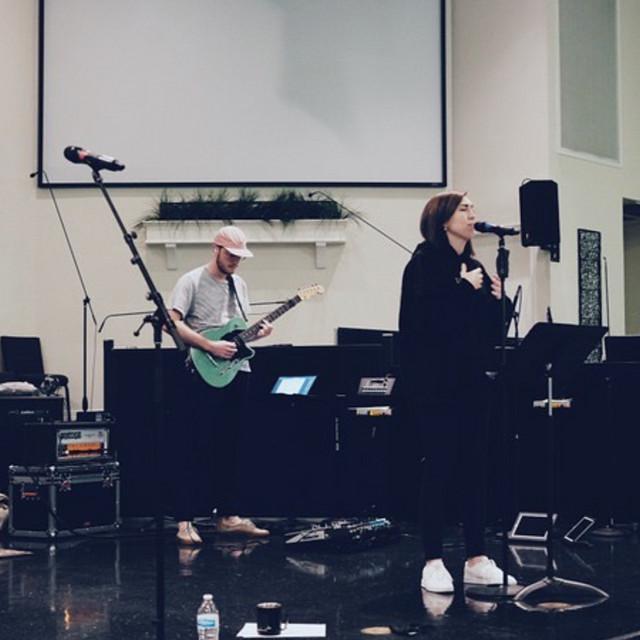
Chaos Curb Collaboration’s Spotify BioChaos Curb Collaboration is a worship music project set up by Dave Griffiths in 2012. Featuring musicians from bands such as Delirious?, [dweeb] and Dave’s former band BOSH as well as the likes of Marc James and Paul Oakley. The project’s two albums have receive widespread critical acclaim and as a live band have toured the UK’s club venues with Martin Smith.
Musically CCC have tried to push the boundaries of worship music, using a broad range of musical styles, from rock to electronica, synth pop to minimal - and unconventional song structures.
The core band of Dave, James Grant (bass) and Rich Gawler (guitar, vocals) are augmented by Grant Howard (keys), and a raft of excellent players. Vocalist Deborah Hartup has been a regular collaborator since the first album.
The project ended on an ambitious playlist/album concept called ‘Life & Death & Resurrection’. Alongside some of Dave’s ambient work, the project seeks to build a narrative arch on the themes of living, dying and the hope of… rising again.
Dave and James are also in Held By Trees
Viberate is a music analytics platform built for A&Rs, artist managers, labels, booking agents, marketers, and artists.
It helps music professionals track artist growth, analyze audience data, monitor playlist activity, compare artists, follow song performance, and identify opportunities across the music market.
Public artist pages provide a free preview of selected artist data. Paid plans provide access to deeper analytics, historical data, charts, comparisons, playlist tools, exports, alerts, reports, and additional professional features.
Yes. Public Viberate artist pages provide selected artist analytics and music data for free.
Viberate also offers a 7-day free trial of the full platform. A credit card is required to start the trial. The trial includes access to the complete product so users can test deeper artist analytics, historical views, playlist insights, comparisons, charts, exports, alerts, and reporting features before choosing a paid plan.
Viberate provides artist analytics across streaming, playlists, social media, video, radio airplay, songs, and audience markets.
Users can analyze Spotify performance, Spotify and Apple Music playlists, YouTube activity, TikTok and Instagram growth, radio spins, song performance, audience locations, demographics, rankings, and overall artist momentum.
Artist profiles also connect to music charts, similar artists, and comparison tools, helping users benchmark performance and evaluate artists in context.
Viberate updates key artist and track data daily.
For followed artists and tracks, selected data is refreshed multiple times per day. This helps teams monitor playlist changes, streaming movement, audience growth, releases, and campaign performance with more current data.
Update frequency can vary depending on the metric and data source.
Yes. Viberate lets users compare up to five artists side by side across streaming, social media, audience, and engagement metrics.
Users can compare fanbase growth, audience demographics, locations, Spotify performance, social metrics, and other artist data over selected time periods.
Artist comparison can be used for A&R scouting, benchmarking, booking decisions, campaign planning, and evaluating artists with similar audiences or market positions.