Chandeliers

Electronic
Dance
Soul
Funk
 Viberate Rank: 534974
 Viberate Rank: 534974
 Monthly ListenersFollowers
 Subscribers
 Followers
 Followers
 FansTop Spotify Songs
| Track | 7-Day Streams | |
|---|---|---|
1 | 21 | |
2 | 2 | |
3 | 2 | |
4 | 2 | |
5 | 2 |
Top YouTube VideosMonthly ListenersFeatured in Playlists| Playlist | Followers | |
|---|---|---|
1 |  Night Flight - Thanksgiving '26 nightflightofficial | 6.47K |
2 |  DFA Endless Jukebox (Entire Catalog) DFA Records | 2.51K |
3 |  Electronica / IDM / Downtempo / Ambient Marcos Schmitz | 1.35K |
Audience| City | Monthly Listeners | |
|---|---|---|
1 | | 11 |
2 | | 4 |
3 | | 4 |
4 | | 4 |
5 |  | 3 |
See full performance history, audience data, playlist activity, rankings, comparisons, and more in Viberate music analytics. Start with a free trial, then continue with a paid plan.
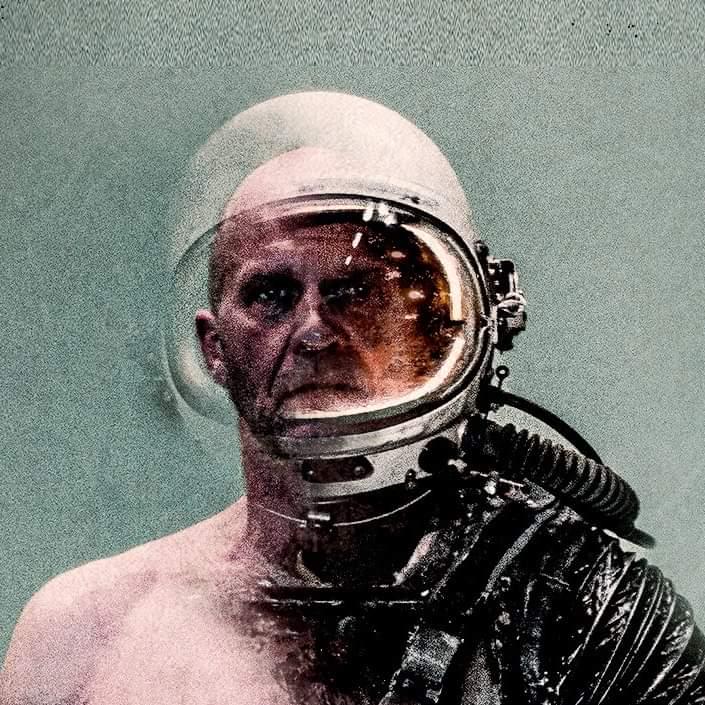
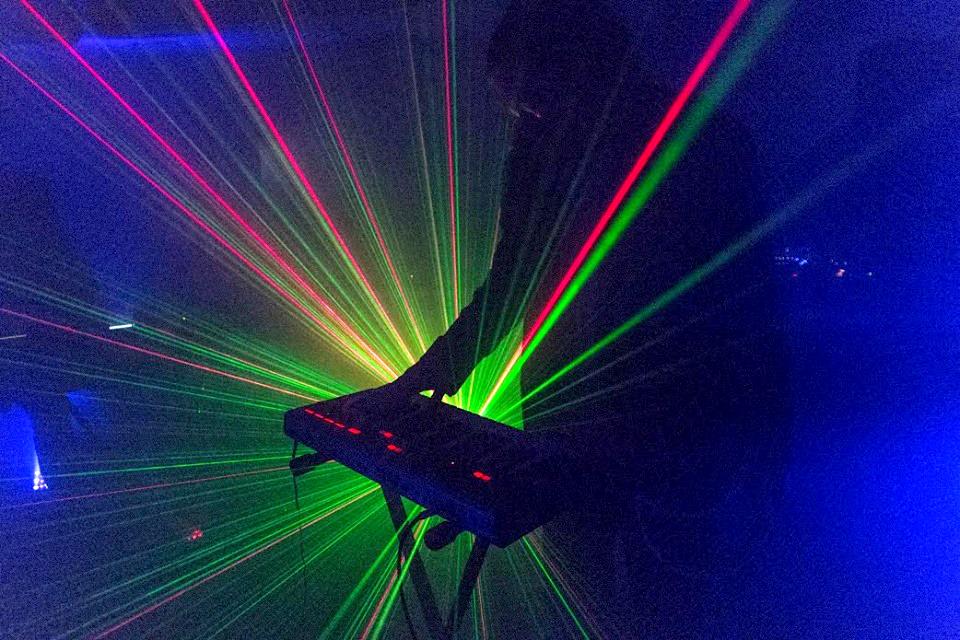
Chandeliers’ Spotify BioPutting a danceable twist on art rock, Krautrock, and avant-garde influences, Chandeliers’ kaleidoscopic electronic jams are artful yet accessible. The founding members consisted of the quartet of Chris Kalis, Dan Jugle, Dan Quinlivan, and Scott McGaughey, whom played with adventurous indie rock bands like Icy Demons, Killer Whales, Michael Columbia, and Mahjongg. They began making electronic music in 2005 as an escape from Chicago’s chilly winters, debuting live early that year at University of Chicago and former Lumpen space Buddy.
Harry Brenner quickly came aboard to add live drums and percussion. Their first recording, the Circulation EP, arrived two years later and the albums The Thrush, Dirty Moves, and Roulé (a split with like-minded Chicagoans Mahjongg) revealed more layers of Chandeliers’ entrancing energy. In 2011, Cinema 16 commissioned the group to perform original live scores to Wallace Berman's Aleph; and Elmen Etting's 1933 nature/dance film Oramunde. The grooves… continued on the 2012 album Founding Fathers, deemed "one of the most exciting records to come out of the Chicago underground in a long time" by the Chicago Tribune.
In 2015 Lisa Armstrong joined Chandeliers and the group composed a number of live scores, including a live score to the 1981 Hungarian animated film Feherlofia at CIMMFest 2015 and scored the feature film Orders, directed by Eric Marsh and Andrew Stasiulis.
Viberate is a music analytics platform built for A&Rs, artist managers, labels, booking agents, marketers, and artists.
It helps music professionals track artist growth, analyze audience data, monitor playlist activity, compare artists, follow song performance, and identify opportunities across the music market.
Public artist pages provide a free preview of selected artist data. Paid plans provide access to deeper analytics, historical data, charts, comparisons, playlist tools, exports, alerts, reports, and additional professional features.
Yes. Public Viberate artist pages provide selected artist analytics and music data for free.
Viberate also offers a 7-day free trial of the full platform. A credit card is required to start the trial. The trial includes access to the complete product so users can test deeper artist analytics, historical views, playlist insights, comparisons, charts, exports, alerts, and reporting features before choosing a paid plan.
Viberate provides artist analytics across streaming, playlists, social media, video, radio airplay, songs, and audience markets.
Users can analyze Spotify performance, Spotify and Apple Music playlists, YouTube activity, TikTok and Instagram growth, radio spins, song performance, audience locations, demographics, rankings, and overall artist momentum.
Artist profiles also connect to music charts, similar artists, and comparison tools, helping users benchmark performance and evaluate artists in context.
Viberate updates key artist and track data daily.
For followed artists and tracks, selected data is refreshed multiple times per day. This helps teams monitor playlist changes, streaming movement, audience growth, releases, and campaign performance with more current data.
Update frequency can vary depending on the metric and data source.
Yes. Viberate lets users compare up to five artists side by side across streaming, social media, audience, and engagement metrics.
Users can compare fanbase growth, audience demographics, locations, Spotify performance, social metrics, and other artist data over selected time periods.
Artist comparison can be used for A&R scouting, benchmarking, booking decisions, campaign planning, and evaluating artists with similar audiences or market positions.