Chad Wackerman

Jazz
Avant-garde Jazz
Jazz Fusion
 Viberate Rank: 161842
 Viberate Rank: 161842
 Monthly ListenersFollowers
 Subscribers
 Followers
 Followers
 FansTop Spotify Songs
| Track | 7-Day Streams | |
|---|---|---|
1 | 799 | |
2 | 609 | |
3 | 547 | |
4 | 547 | |
5 | 492 |
Top YouTube VideosMonthly ListenersFeatured in Playlists| Playlist | Followers | |
|---|---|---|
1 |  Fusion Fest Spotify | 220.08K |
2 | Cowboy Bebop Katy Stringer | 41.54K |
3 | Burning Jazz-rock Fusion fusionprogguy | 8.92K |
4 |  Jazz-Rock Fusion Morgan Roussel | 7.54K |
5 | Jazz Fusion, Progressive Rock, & Jam Bands Curator Seedpicker | 7.16K |
Audience| City | Monthly Listeners | |
|---|---|---|
1 |  | 113 |
2 |  | 96 |
3 | | 64 |
4 | | 62 |
5 |  | 60 |
See full performance history, audience data, playlist activity, rankings, comparisons, and more in Viberate music analytics. Start with a free trial, then continue with a paid plan.
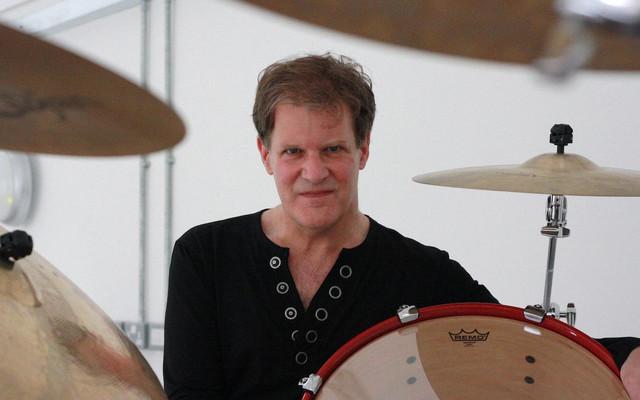
Chad Wackerman’s Spotify BioOne of the most skilled and talented drummers in all of rock and modern jazz is Chad Wackerman. Born on March 25, 1960 in Long Beach, California, Wackerman studied with some of the finest drummers in the area (including Chuck Flores). 1978 saw the drummer land his first real gig with trombonist Bill Watrous, before landing a spot with Frank Zappa, which would quickly establish Wackerman among the elite of modern-day drummers. Wackerman toured the world with Zappa and appeared on countless albums, including such acclaimed latter day releases as 1981's You Are What You Is, 1986's Jazz from Hell, 1988's Broadway the Hard Way, plus such multi-volume releases as London Symphony Orchestra and You Can't Do That on Stage Anymore. Additionally, Wackerman recorded a series of albums with guitarist Allan Holdsworth, plus session work with such varied artists as Steve Vai, Andy Summers, Men at Work, Ed Mann, Albert Lee, Colin Hay, Dweezil Zappa, Tom Grant, and even Barbra Streisand. But Wackerman… isn't just confined to studio work, as he's toured the world accompanying James Taylor, John Patitucci, Joe Sample, and another ex-Zappa skinsman, Terry Bozzio. Wackerman has also found the time in his busy schedule to sporadically issue his own solo albums -- including 1991's Forty Reasons, 1993's The View, 2000s Scream, and 2004's Legs Eleven -- perform at drumming clinics around the world, and pen his own instruction book, Double Hi Hat Exercises for the Contemporary Drummer. Besides penning most of the compositions on his own albums, Wackerman has also written songs for Holdsworth and for the Dennis Miller Show. ~ Greg Prato, Rovi
Viberate is a music analytics platform built for A&Rs, artist managers, labels, booking agents, marketers, and artists.
It helps music professionals track artist growth, analyze audience data, monitor playlist activity, compare artists, follow song performance, and identify opportunities across the music market.
Public artist pages provide a free preview of selected artist data. Paid plans provide access to deeper analytics, historical data, charts, comparisons, playlist tools, exports, alerts, reports, and additional professional features.
Yes. Public Viberate artist pages provide selected artist analytics and music data for free.
Viberate also offers a 7-day free trial of the full platform. A credit card is required to start the trial. The trial includes access to the complete product so users can test deeper artist analytics, historical views, playlist insights, comparisons, charts, exports, alerts, and reporting features before choosing a paid plan.
Viberate provides artist analytics across streaming, playlists, social media, video, radio airplay, songs, and audience markets.
Users can analyze Spotify performance, Spotify and Apple Music playlists, YouTube activity, TikTok and Instagram growth, radio spins, song performance, audience locations, demographics, rankings, and overall artist momentum.
Artist profiles also connect to music charts, similar artists, and comparison tools, helping users benchmark performance and evaluate artists in context.
Viberate updates key artist and track data daily.
For followed artists and tracks, selected data is refreshed multiple times per day. This helps teams monitor playlist changes, streaming movement, audience growth, releases, and campaign performance with more current data.
Update frequency can vary depending on the metric and data source.
Yes. Viberate lets users compare up to five artists side by side across streaming, social media, audience, and engagement metrics.
Users can compare fanbase growth, audience demographics, locations, Spotify performance, social metrics, and other artist data over selected time periods.
Artist comparison can be used for A&R scouting, benchmarking, booking decisions, campaign planning, and evaluating artists with similar audiences or market positions.