Cetu Javu

Pop
Indie Pop
Synthpop
 Viberate Rank: 118266
 Viberate Rank: 118266
 Monthly ListenersFollowers
 Subscribers
 Followers
 Followers
 FansTop Spotify Songs
| Track | 7-Day Streams | |
|---|---|---|
1 | 25.86K | |
2 | 7.42K | |
3 | 2.86K | |
4 | 2.79K | |
5 | 1.99K |
Top YouTube VideosMonthly ListenersFeatured in Playlists| Playlist | Followers | |
|---|---|---|
1 |  80s New Wave & Alternative Troy @ TavernTails | 194.42K |
2 | 90 ARGENTINA BOLICHE Telma Ganem | 81.06K |
3 |  Trap nation top 100 thibault | 47.15K |
4 | 80's 12" & Extended Remixes enigma804 | 47.02K |
5 | New Wave 80's lakers1980 | 41.51K |
Audience| City | Monthly Listeners | |
|---|---|---|
1 |  | 11.66K |
2 |  | 6.66K |
3 |  | 2.33K |
4 |  | 1.56K |
5 |  | 1.55K |
See full performance history, audience data, playlist activity, rankings, comparisons, and more in Viberate music analytics. Start with a free trial, then continue with a paid plan.
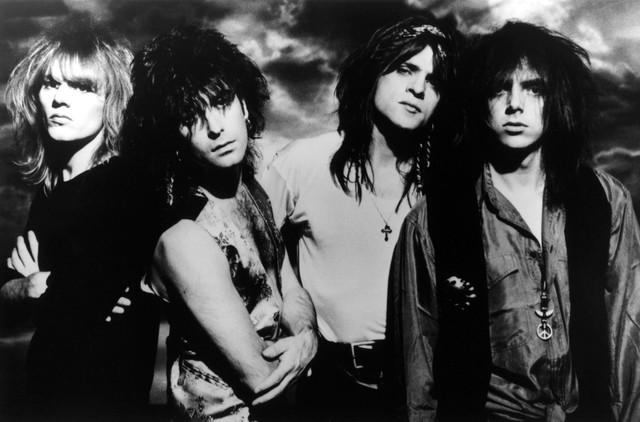
Cetu Javu’s Spotify BioCetu Javu was a new wave band from Germany that sang in Spanish. As far as Depeche Mode clones go, that was a fairly original twist on the synth pop formula. Cetu Javu formed in Hanover, Germany, in 1984. The group consisted of Javier Revilla (vocals), Torsten Engelke (keyboards, programming), Stefen Engelke (bass), and Chris Demere (synthesizers, guitar, programming). In 1985, Cetu Javu won third place at a band contest in Germany. The group opened for Erasure a year later and released their first single, "Help Me Now!," in 1987. Like their compatriots Camouflage, Cetu Javu were unapologetically Depeche Mode-like in their sound; their extremely catchy 1988 singles "Situations" and "Have in Mind" flashed back to Vince Clarke's Depeche Mode days in the early '80s with their bouncy keyboards. Both tracks were instant hits in dance clubs and even received airplay on U.S. alternative rock stations waiting for the next Depeche Mode record. Stefan Engelke departed the band in 1988, and he… was replaced by Todde Kraass. The group signed a contract with ZYX Records, and their debut LP, Southern Lands, appeared in 1990. After "A Donde," a B-side sung in Spanish, hit number two in Spain (ironically, it competed with Depeche Mode's "Policy of Truth"), the band toured the country. Cetu Javu's second full-length, Where Is Where, was released in 1992. In 1994, the group withdrew from the music scene so the members could have time to raise their children. ~ Michael Sutton, Rovi
Viberate is a music analytics platform built for A&Rs, artist managers, labels, booking agents, marketers, and artists.
It helps music professionals track artist growth, analyze audience data, monitor playlist activity, compare artists, follow song performance, and identify opportunities across the music market.
Public artist pages provide a free preview of selected artist data. Paid plans provide access to deeper analytics, historical data, charts, comparisons, playlist tools, exports, alerts, reports, and additional professional features.
Yes. Public Viberate artist pages provide selected artist analytics and music data for free.
Viberate also offers a 7-day free trial of the full platform. A credit card is required to start the trial. The trial includes access to the complete product so users can test deeper artist analytics, historical views, playlist insights, comparisons, charts, exports, alerts, and reporting features before choosing a paid plan.
Viberate provides artist analytics across streaming, playlists, social media, video, radio airplay, songs, and audience markets.
Users can analyze Spotify performance, Spotify and Apple Music playlists, YouTube activity, TikTok and Instagram growth, radio spins, song performance, audience locations, demographics, rankings, and overall artist momentum.
Artist profiles also connect to music charts, similar artists, and comparison tools, helping users benchmark performance and evaluate artists in context.
Viberate updates key artist and track data daily.
For followed artists and tracks, selected data is refreshed multiple times per day. This helps teams monitor playlist changes, streaming movement, audience growth, releases, and campaign performance with more current data.
Update frequency can vary depending on the metric and data source.
Yes. Viberate lets users compare up to five artists side by side across streaming, social media, audience, and engagement metrics.
Users can compare fanbase growth, audience demographics, locations, Spotify performance, social metrics, and other artist data over selected time periods.
Artist comparison can be used for A&R scouting, benchmarking, booking decisions, campaign planning, and evaluating artists with similar audiences or market positions.