Cellmod

Electronic
Other Electronic Music
Drum & Bass
 Viberate Rank: 532528
 Viberate Rank: 532528
 Monthly ListenersFollowers
 Subscribers
 Followers
 Followers
 FansTop Spotify Songs
| Track | 7-Day Streams | |
|---|---|---|
1 | 78 | |
2 | 17 | |
3 | 10 | |
4 | 10 | |
5 | 7 |
Top YouTube VideosMonthly ListenersFeatured in Playlists| Playlist | Followers | |
|---|---|---|
1 |  Gothy Dark Electro Dance Club Sin Fox | 6.20K |
2 | Industrial Aggrotech | Dark Electro Dance | Harsh EBM | Hellectro by DARKLARK darklark | 4.79K |
3 |  Dark Electro / Industrial / Futurepop / Aggrotech / Cyberpunk NeonSynth Oscillation | 3.77K |
4 |  ☣ INDUSTRIAL DANCE ☣ aggrotech :: EBM :: dark electro :: IDM :: futurepop :: cybergoth Emm | 2.81K |
5 | Futurepop / Synthpop DJBlackFlagg | 1.68K |
Audience| City | Monthly Listeners | |
|---|---|---|
1 | | 8 |
2 |  | 8 |
3 |  | 6 |
4 |  | 6 |
5 |  | 5 |
See full performance history, audience data, playlist activity, rankings, comparisons, and more in Viberate music analytics. Start with a free trial, then continue with a paid plan.
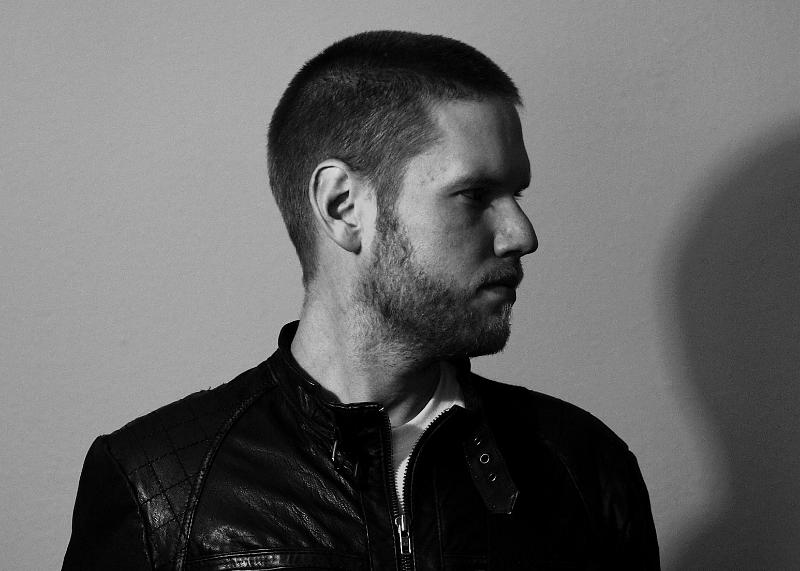
Cellmod’s Spotify BioActive since 2007, Cellmod is the electronic project of Juan Ramon Espinosa, a Puerto Rican-born and Miami-raised producer, composer, and remixer. Cellmod blends the beat-forward production of electro and drum and bass with IDM, trance, trip hop, and more while infusing the rhythmic sensibilities of world music and climactic energy of orchestral movements.
Coming of age in Miami’s flourishing electronic music scene, Espinosa developed a deep passion for electronic music before honing his own style, taking inspiration from a number of subgenres, while creating immersive sonic and conceptual worlds.
Often collaborating with outside vocalists, Cellmod delivers sly social and personal commentary atop a foundation of impeccable sound design and a master’s knowledge of electronic music history. Juan is also a long-time graphic designer, considering the visuals accompanying his releases extensions of their overall theme and narratives.
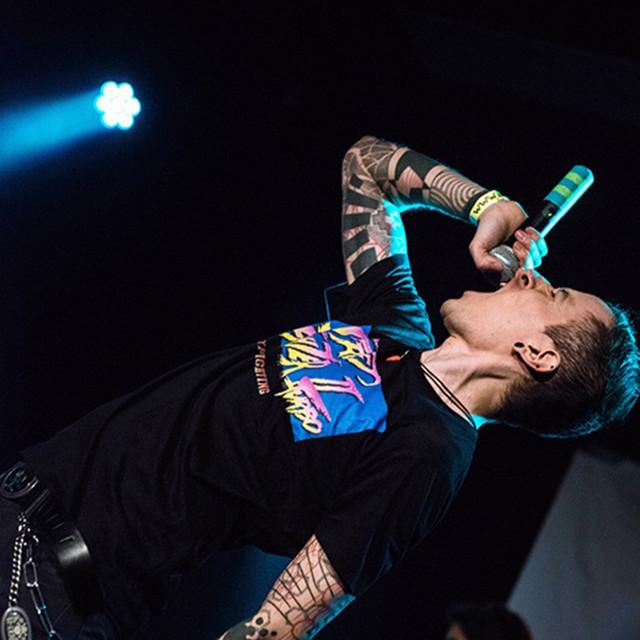
Recent collaborations and remixes include Stewart Copeland… and Ricky Kej (remixing “A Prayer” from their Grammy-winning album Divine Tides), Moris Blak, God Module, Pete Crane (Shiv-r), Raziel Panic (You Shriek), and more. Recently, Cellmod made their long-awaited live debut sharing the stage with Daniel Meyer of Covenant and Haujobb.
Viberate is a music analytics platform built for A&Rs, artist managers, labels, booking agents, marketers, and artists.
It helps music professionals track artist growth, analyze audience data, monitor playlist activity, compare artists, follow song performance, and identify opportunities across the music market.
Public artist pages provide a free preview of selected artist data. Paid plans provide access to deeper analytics, historical data, charts, comparisons, playlist tools, exports, alerts, reports, and additional professional features.
Yes. Public Viberate artist pages provide selected artist analytics and music data for free.
Viberate also offers a 7-day free trial of the full platform. A credit card is required to start the trial. The trial includes access to the complete product so users can test deeper artist analytics, historical views, playlist insights, comparisons, charts, exports, alerts, and reporting features before choosing a paid plan.
Viberate provides artist analytics across streaming, playlists, social media, video, radio airplay, songs, and audience markets.
Users can analyze Spotify performance, Spotify and Apple Music playlists, YouTube activity, TikTok and Instagram growth, radio spins, song performance, audience locations, demographics, rankings, and overall artist momentum.
Artist profiles also connect to music charts, similar artists, and comparison tools, helping users benchmark performance and evaluate artists in context.
Viberate updates key artist and track data daily.
For followed artists and tracks, selected data is refreshed multiple times per day. This helps teams monitor playlist changes, streaming movement, audience growth, releases, and campaign performance with more current data.
Update frequency can vary depending on the metric and data source.
Yes. Viberate lets users compare up to five artists side by side across streaming, social media, audience, and engagement metrics.
Users can compare fanbase growth, audience demographics, locations, Spotify performance, social metrics, and other artist data over selected time periods.
Artist comparison can be used for A&R scouting, benchmarking, booking decisions, campaign planning, and evaluating artists with similar audiences or market positions.