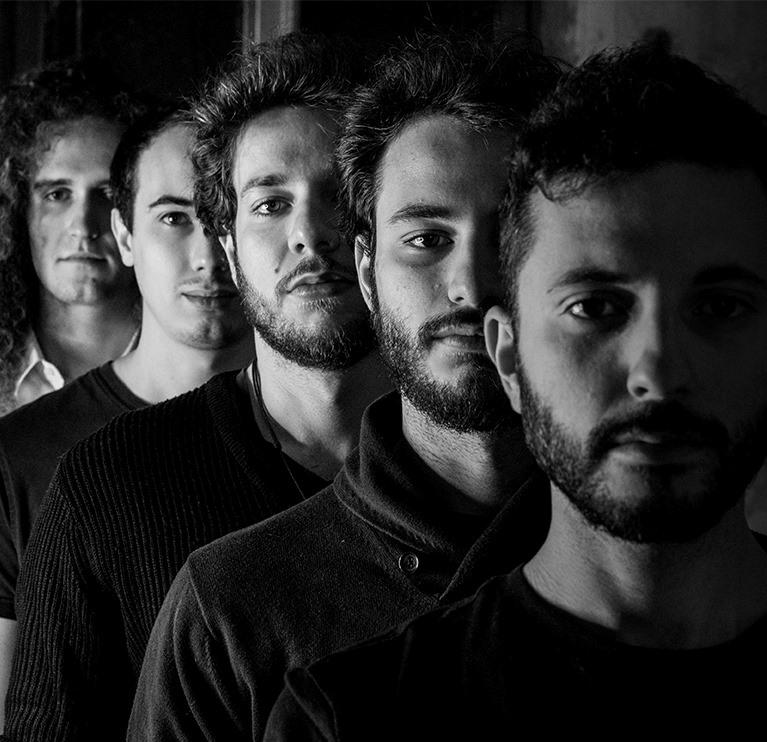
Cellar Noise

Rock
Progressive Rock
 Viberate Rank: 535333
 Viberate Rank: 535333
 Monthly ListenersFollowers
 Subscribers
 Followers
 Followers
 FansTop Spotify Songs
| Track | 7-Day Streams | |
|---|---|---|
1 | 50 | |
2 | 48 | |
3 | 48 | |
4 | 44 | |
5 | 40 |
Top YouTube VideosMonthly ListenersFeatured in PlaylistsAudience| City | Monthly Listeners | |
|---|---|---|
1 | | 10 |
2 |  | 3 |
3 | | 3 |
4 |  | 3 |
5 |  | 3 |
See full performance history, audience data, playlist activity, rankings, comparisons, and more in Viberate music analytics. Start with a free trial, then continue with a paid plan.
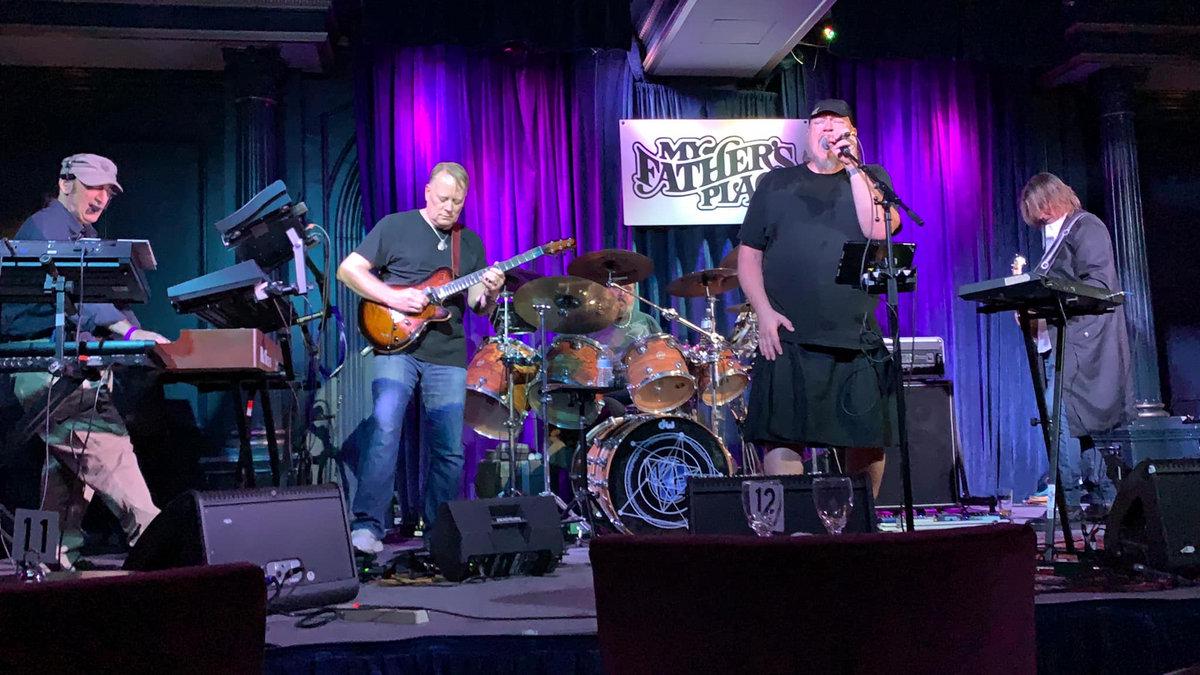
Cellar Noise’s Spotify BioCellar Noise is a prog rock band from Milan, Italy. Founded by Alessandro Palmisano (guitar) and Niccolò Gallani (keyboards) in 2013, this project comes as a mixture of classic prog rock music from the 70’s and modern influences (Steven Wilson, Porcupine Tree, Opeth) in search for a fresh proposal of original compositions. In the same year, Francesco Lovari joined the band as singer and writer of the lyrics completing the compositive nucleus. After a few changes regarding the band members, in 2015 Cellar Noise found their rhythm section: the Bersan brothers, Eric on drums and Loris on bass and classical guitar. Concert after concert the band consolidated its sound and began making its reputation, finally getting to the ears of Fabio Zuffanti, important figure of the italian prog rock scene, who offered to cohoperate (as artistic director) to make a full length album. The debut album Alight was released via AMS Records in 2017.
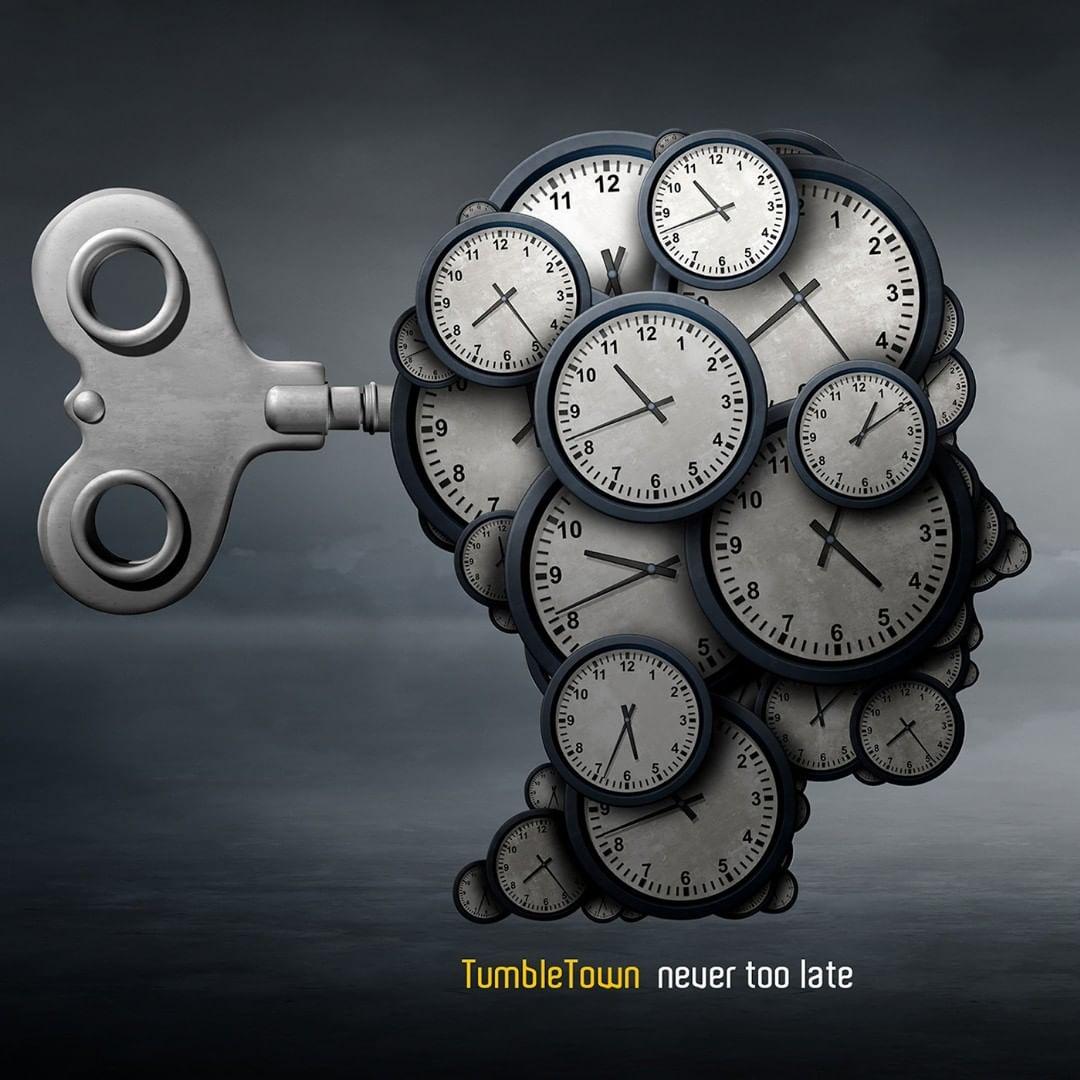
In 2018 the band wrote and recorded their second album… “Nautilus” at RecLab Studios in Milan, Italy, with Larsen Premoli and Emanuele Nanti. The album was then mixed and mastered at the legendary Fascination Street Studios (Opeth, Leprous, Haken, ecc…) in Örebro, Sweden by André Alvinzi and Jens Bogren respectively. The artwork of this album was designed at Aleph Studio in London, UK by Carl Glover (Steven Wilson, Porcupine Tree, KScope, ecc…) and it was released on 20th September 2019 via AMS Records.
Viberate is a music analytics platform built for A&Rs, artist managers, labels, booking agents, marketers, and artists.
It helps music professionals track artist growth, analyze audience data, monitor playlist activity, compare artists, follow song performance, and identify opportunities across the music market.
Public artist pages provide a free preview of selected artist data. Paid plans provide access to deeper analytics, historical data, charts, comparisons, playlist tools, exports, alerts, reports, and additional professional features.
Yes. Public Viberate artist pages provide selected artist analytics and music data for free.
Viberate also offers a 7-day free trial of the full platform. A credit card is required to start the trial. The trial includes access to the complete product so users can test deeper artist analytics, historical views, playlist insights, comparisons, charts, exports, alerts, and reporting features before choosing a paid plan.
Viberate provides artist analytics across streaming, playlists, social media, video, radio airplay, songs, and audience markets.
Users can analyze Spotify performance, Spotify and Apple Music playlists, YouTube activity, TikTok and Instagram growth, radio spins, song performance, audience locations, demographics, rankings, and overall artist momentum.
Artist profiles also connect to music charts, similar artists, and comparison tools, helping users benchmark performance and evaluate artists in context.
Viberate updates key artist and track data daily.
For followed artists and tracks, selected data is refreshed multiple times per day. This helps teams monitor playlist changes, streaming movement, audience growth, releases, and campaign performance with more current data.
Update frequency can vary depending on the metric and data source.
Yes. Viberate lets users compare up to five artists side by side across streaming, social media, audience, and engagement metrics.
Users can compare fanbase growth, audience demographics, locations, Spotify performance, social metrics, and other artist data over selected time periods.
Artist comparison can be used for A&R scouting, benchmarking, booking decisions, campaign planning, and evaluating artists with similar audiences or market positions.