Cella Dwellas

Hip Hop
Contemporary Hip Hop
 Viberate Rank: 170114
 Viberate Rank: 170114
 Monthly ListenersFollowers
 Subscribers
 Followers
 Followers
 FansTop Spotify Songs
| Track | 7-Day Streams | |
|---|---|---|
1 | 7.25K | |
2 | 4.44K | |
3 | 2.34K | |
4 | 2.10K | |
5 | 1.88K |
Top YouTube Videos| Video | 7-Day Views | |
|---|---|---|
1 | 137 | |
2 | 3 |
Monthly ListenersFeatured in Playlists| Playlist | Followers | |
|---|---|---|
1 |  Old School Hip Hop Filtr Sweden | 779.30K |
2 |  Boom Bap Classics Ville Kyyny | 60.44K |
3 |  Jazz Hip Hop Johnny Jazzmatazz | 55.59K |
4 |  90's Rap Instrumentals Sepehr Aman | 50.23K |
5 |  90'S UNDERGROUND HIP-HOP Bryan Nuñez | 37.41K |
Audience| City | Monthly Listeners | |
|---|---|---|
1 |  | 1.61K |
2 |  | 920 |
3 |  | 565 |
4 |  | 538 |
5 |  | 527 |
See full performance history, audience data, playlist activity, rankings, comparisons, and more in Viberate music analytics. Start with a free trial, then continue with a paid plan.
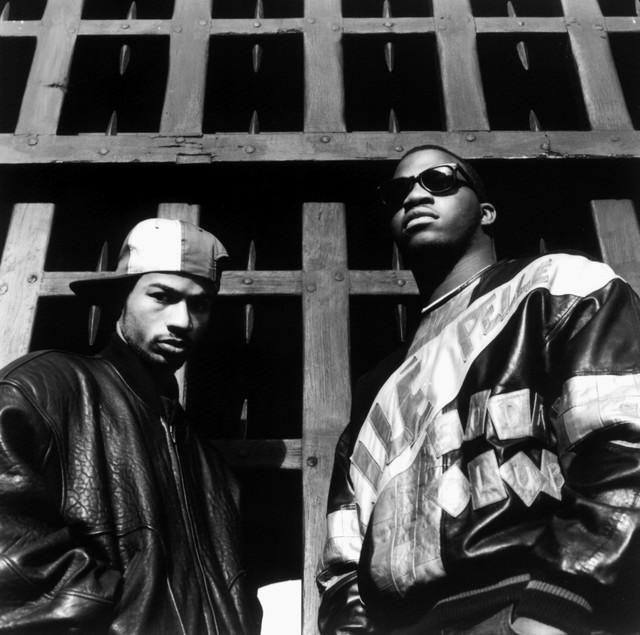
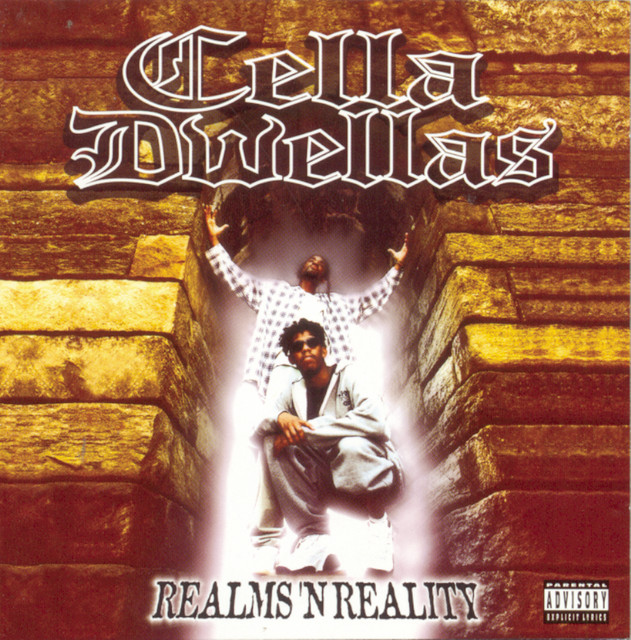
Cella Dwellas’ Spotify BioThe CDs first created a buzz with the single "Land of the Lost" which originally appeared on Nudder Budders, a Loud Records sampler in 1994. The duo was originally thought to be a part of the burgeoning mid-'90s horrorcore sound popularized by groups like the Gravediggaz. However, the horrorcore-esque "Land of the Lost" was just the tip of the iceberg for the Flatbush, Brooklyn, duo. In early 1996, Ug and Phantasm dropped their debut LP Realms N' Reality, a swooping phantasmagoric album that wove hardcore New York hip-hop seamlessly with a Saturday morning adventure cartoon-feel. The CDs' style combines Dungeons and Dragons-style role-playing games, horror flicks, slick, rugged beats, and imaginative, often humorous lyrics. Realms and Reality was an exciting and bizarre ride through two warped intellects. The tandem then vanished for almost four years, returning as simply the Dwellas in 2000 with Last Shall Be First. ~ Michael Di Bella, Rovi
Viberate is a music analytics platform built for A&Rs, artist managers, labels, booking agents, marketers, and artists.
It helps music professionals track artist growth, analyze audience data, monitor playlist activity, compare artists, follow song performance, and identify opportunities across the music market.
Public artist pages provide a free preview of selected artist data. Paid plans provide access to deeper analytics, historical data, charts, comparisons, playlist tools, exports, alerts, reports, and additional professional features.
Yes. Public Viberate artist pages provide selected artist analytics and music data for free.
Viberate also offers a 7-day free trial of the full platform. A credit card is required to start the trial. The trial includes access to the complete product so users can test deeper artist analytics, historical views, playlist insights, comparisons, charts, exports, alerts, and reporting features before choosing a paid plan.
Viberate provides artist analytics across streaming, playlists, social media, video, radio airplay, songs, and audience markets.
Users can analyze Spotify performance, Spotify and Apple Music playlists, YouTube activity, TikTok and Instagram growth, radio spins, song performance, audience locations, demographics, rankings, and overall artist momentum.
Artist profiles also connect to music charts, similar artists, and comparison tools, helping users benchmark performance and evaluate artists in context.
Viberate updates key artist and track data daily.
For followed artists and tracks, selected data is refreshed multiple times per day. This helps teams monitor playlist changes, streaming movement, audience growth, releases, and campaign performance with more current data.
Update frequency can vary depending on the metric and data source.
Yes. Viberate lets users compare up to five artists side by side across streaming, social media, audience, and engagement metrics.
Users can compare fanbase growth, audience demographics, locations, Spotify performance, social metrics, and other artist data over selected time periods.
Artist comparison can be used for A&R scouting, benchmarking, booking decisions, campaign planning, and evaluating artists with similar audiences or market positions.