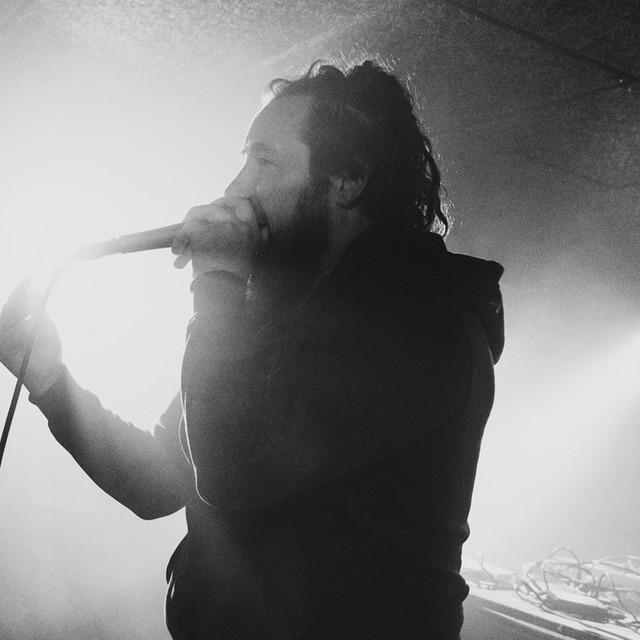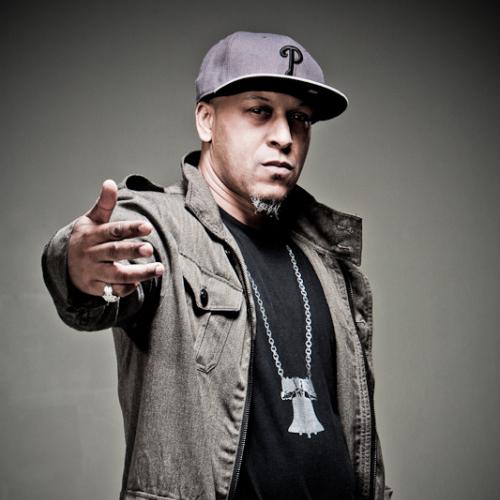
Cee Knowledge

Hip Hop
Contemporary Hip Hop
 Viberate Rank: 390328
 Viberate Rank: 390328
 Monthly ListenersFollowers
 Subscribers
 Followers
 Followers
 FansTop Spotify Songs
| Track | 7-Day Streams | |
|---|---|---|
1 | 69 | |
2 | 18 | |
3 | 18 | |
4 | 14 | |
5 | 10 |
Top YouTube VideosMonthly ListenersFeatured in Playlists| Playlist | Followers | |
|---|---|---|
1 |  lofi cruising - Neo Soul R&B Rap & Chill Beats Chill Select | 10.93K |
2 |  MPC SOCIETY MusicPromotionCorp | 6.39K |
3 |  MPC SELECTIONS MusicPromotionCorp | 5.71K |
4 |  Funk of The Month (NOVEMBER) The Allergies | 2.65K |
5 |  Top Underground jacob🦝 | 1.73K |
Audience| City | Monthly Listeners | |
|---|---|---|
1 | | 7 |
2 |  | 7 |
3 | | 6 |
4 | | 6 |
5 | | 5 |
See full performance history, audience data, playlist activity, rankings, comparisons, and more in Viberate music analytics. Start with a free trial, then continue with a paid plan.
Cee Knowledge’s Spotify BioHip-hop in the '80s, jazz in the '60s, and funk in the '70s are all well-documented revolutionary expressions in Africa-American music. Less familiar, though, is their meeting ground in Cee Knowledge and the Cosmic Funk Orchestra in 2000, and beyond. Craig Irving, the Philadelphia hip-hop vocalist better known as Doodlebug of the defunct Grammy-winning hip-hop trio Digable Planets, adopted the moniker Cee Knowledge while studying the Nation of Islam in 1988 at Howard University. Knowledge grew up in a city full of musical traditions from the cosmic jazz of the Sun Ra Arkestra to the new Philly soul of Bilal and Musiq Soulchild and the groundbreaking hip-hop of the Roots and Eve. It was a place for Knowledge to absorb all kinds of music from early hip-hop and '70s funk to avant-garde jazz and new Philly soul. Knowledge's mind drifted south of Philadelphia for his funk sources in the music of Parliament-Funkadelic, the Bar-Kays, and Barry White. He first expressed his love of funk, jazz,… and hip-hop together in Digable Planets, which won a Grammy for Best Rap Performance in 1993. At Howard University, he met Mary Ann "Ladybug" Vierra, a Brazilian-American singer from Maryland. With Ishmael "Butterfly" Butler, they founded Digable Planets in 1991 and released a highly acclaimed single, "Rebirth of Slick (Cool Like Dat)." When Digable Planets disbanded in 1995 after two successful albums and a handful of warmly received singles, Knowledge felt a void in his music career. From early concerts at the Deer Park Tavern in Delaware and at the Philadelphia Music Conference, he forged the early lineup for Cee Knowledge and the Cosmic Funk Orchestra from hip-hop and jazz musicians in Delaware and Philadelphia in 1999. For his first solo project, he released Live From the 7th Dimension, Vol. 1 early in 2000 and Return of the Cosmic Funk in September 2000. He remixed the latter to include tracks featuring vibraphonist Roy Ayers, Ladybug, and members of the Sun Ra Arkestra for release in 2001. Knowledge and his 11-piece group -- which featured jazz and hippie jam band guitarist Mark Turner; saxist-flutist Elliott Levin (Sun Ra, DJ Logic); reggae bassist and didgeridoo player Rob Griffith; Haitian keyboardist Giscard Xavier; jazz and reggae drummer Mad Max; rappers Jahsun, Saadiyq Abdul Majid, and Kasim "Kai Chi"; background vocalist Loretta Gooden; and DJ Live Diablo -- played progressive hip-hop filled with a funkified brand of streetwise jazz poetry. Knowledge showed dissatisfaction with all the emphasis on money, sex, and violence in much of hip-hop in the late '90s and early 2000 in preference for an expression of peace, love, political action, inner strength, happiness, and hope for the future. In 2002, Cee Knowledge released the Space is the Place single for the Counterflow label. The single featured the Sun Ra Arkestra. ~ Robert Hicks
Viberate is a music analytics platform built for A&Rs, artist managers, labels, booking agents, marketers, and artists.
It helps music professionals track artist growth, analyze audience data, monitor playlist activity, compare artists, follow song performance, and identify opportunities across the music market.
Public artist pages provide a free preview of selected artist data. Paid plans provide access to deeper analytics, historical data, charts, comparisons, playlist tools, exports, alerts, reports, and additional professional features.
Yes. Public Viberate artist pages provide selected artist analytics and music data for free.
Viberate also offers a 7-day free trial of the full platform. A credit card is required to start the trial. The trial includes access to the complete product so users can test deeper artist analytics, historical views, playlist insights, comparisons, charts, exports, alerts, and reporting features before choosing a paid plan.
Viberate provides artist analytics across streaming, playlists, social media, video, radio airplay, songs, and audience markets.
Users can analyze Spotify performance, Spotify and Apple Music playlists, YouTube activity, TikTok and Instagram growth, radio spins, song performance, audience locations, demographics, rankings, and overall artist momentum.
Artist profiles also connect to music charts, similar artists, and comparison tools, helping users benchmark performance and evaluate artists in context.
Viberate updates key artist and track data daily.
For followed artists and tracks, selected data is refreshed multiple times per day. This helps teams monitor playlist changes, streaming movement, audience growth, releases, and campaign performance with more current data.
Update frequency can vary depending on the metric and data source.
Yes. Viberate lets users compare up to five artists side by side across streaming, social media, audience, and engagement metrics.
Users can compare fanbase growth, audience demographics, locations, Spotify performance, social metrics, and other artist data over selected time periods.
Artist comparison can be used for A&R scouting, benchmarking, booking decisions, campaign planning, and evaluating artists with similar audiences or market positions.