Cedell Davis

Blues
Blues Rock
Contemporary Blues
 Viberate Rank: 354542
 Viberate Rank: 354542
 Monthly ListenersFollowers
 Subscribers
 Followers
 Followers
 FansTop Spotify Songs
| Track | 7-Day Streams | |
|---|---|---|
1 | 160 | |
2 | 112 | |
3 | 91 | |
4 | 80 | |
5 | 73 |
Top YouTube Videos| Video | 7-Day Views | |
|---|---|---|
1 | 6 | |
2 | 3 | |
3 | 2 |
Monthly ListenersFeatured in Playlists| Playlist | Followers | |
|---|---|---|
1 | Dark Folk, Depressing Country, Southern Gothic, Aggressive Blues, Death Boogie, Dirt Stomp AnTi | 5.64K |
2 |  Hillbilly Murder Music Tim Walker | 4.95K |
3 |  Henry Rollins KCRW radioshow Roadrunner Music | 3.56K |
4 |  Blues Classics (Songpickr) Songpickr | 2.70K |
5 | KCRW - Henry Rollins M0hgar | 2.30K |
Audience| City | Monthly Listeners | |
|---|---|---|
1 | | 33 |
2 | | 26 |
3 |  | 26 |
4 | | 25 |
5 | | 24 |
See full performance history, audience data, playlist activity, rankings, comparisons, and more in Viberate music analytics. Start with a free trial, then continue with a paid plan.
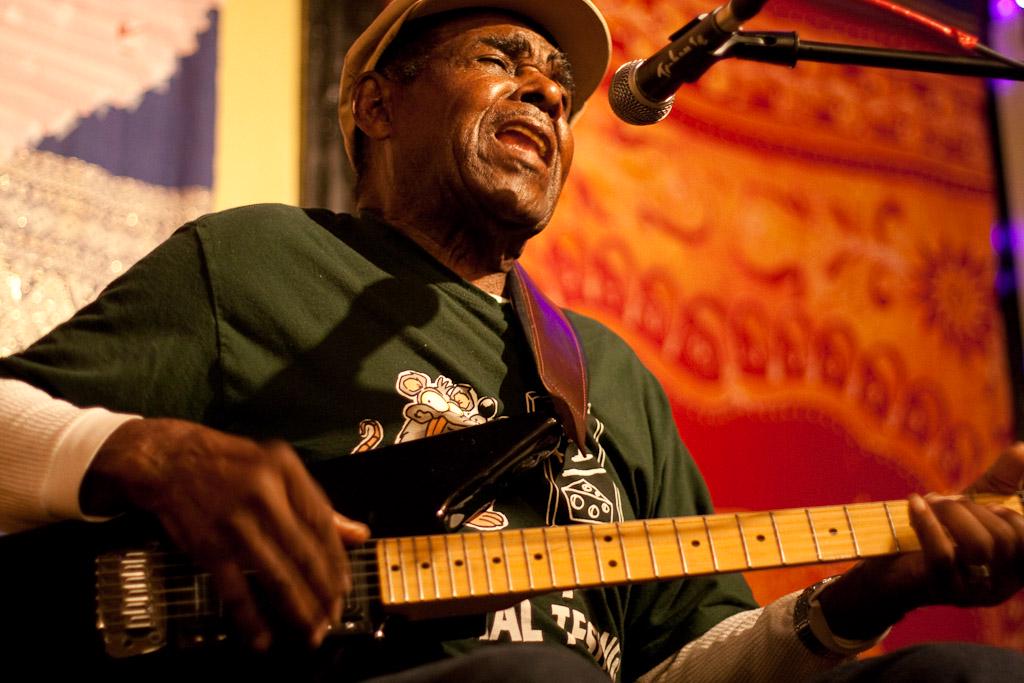
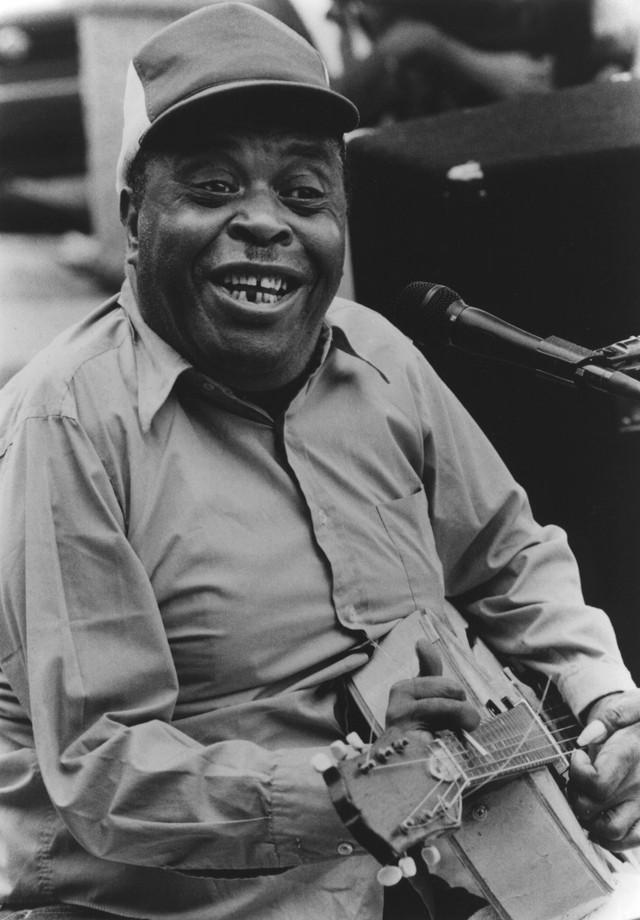
Cedell Davis’ Spotify BioCeDell Davis was born in 1927 in Helena, Arkansas. His right hand was crippled by polio at the age of ten, so he switched his guitar to a left-handed bottleneck style played with a knife, which made for a unique, atonal sound. He played locally throughout the 1950s and '60s with friends such as Robert Nighthawk, Big Joe Williams, and Charlie Jordan. In 1957, Davis was badly injured in a stampede at a St. Louis tavern, crippling him even further and confining him to a wheelchair, yet he persevered with his music. After a series of compilation appearances and several live dates in New York, Fat Possum Records signed Davis. Noted blues journalist Robert Palmer produced his debut, Feel like Doin' Something Wrong (1994). The Best of CeDell Davis (1995) was also released, with help from Col. Bruce Hampton & the Aquarium Rescue Unit. The Horror of It All followed in 1998. Davis took time away from recording after these releases, and spent the next four years writing and performing. When he… returned to the studio, he drafted musicians like R.E.M.'s Peter Buck and the Screaming Trees' Barrett Martin into his sessions. The final results, When Lightnin' Struck the Pine, arrived in stores in the summer of 2002. Three years later, a stroke took away Davis' ability to play guitar, but he continued to perform and record as a singer, releasing Last Man Standing in 2015 and Even the Devil Gets the Blues in 2016. He was hospitalized after a heart attack in September 2017, and died on the 27th of that month at the age of 91. ~ John Bush, Rovi
Viberate is a music analytics platform built for A&Rs, artist managers, labels, booking agents, marketers, and artists.
It helps music professionals track artist growth, analyze audience data, monitor playlist activity, compare artists, follow song performance, and identify opportunities across the music market.
Public artist pages provide a free preview of selected artist data. Paid plans provide access to deeper analytics, historical data, charts, comparisons, playlist tools, exports, alerts, reports, and additional professional features.
Yes. Public Viberate artist pages provide selected artist analytics and music data for free.
Viberate also offers a 7-day free trial of the full platform. A credit card is required to start the trial. The trial includes access to the complete product so users can test deeper artist analytics, historical views, playlist insights, comparisons, charts, exports, alerts, and reporting features before choosing a paid plan.
Viberate provides artist analytics across streaming, playlists, social media, video, radio airplay, songs, and audience markets.
Users can analyze Spotify performance, Spotify and Apple Music playlists, YouTube activity, TikTok and Instagram growth, radio spins, song performance, audience locations, demographics, rankings, and overall artist momentum.
Artist profiles also connect to music charts, similar artists, and comparison tools, helping users benchmark performance and evaluate artists in context.
Viberate updates key artist and track data daily.
For followed artists and tracks, selected data is refreshed multiple times per day. This helps teams monitor playlist changes, streaming movement, audience growth, releases, and campaign performance with more current data.
Update frequency can vary depending on the metric and data source.
Yes. Viberate lets users compare up to five artists side by side across streaming, social media, audience, and engagement metrics.
Users can compare fanbase growth, audience demographics, locations, Spotify performance, social metrics, and other artist data over selected time periods.
Artist comparison can be used for A&R scouting, benchmarking, booking decisions, campaign planning, and evaluating artists with similar audiences or market positions.