CDC

Punk
Hardcore Punk
Hardstyle/Hardcore
 Viberate Rank: 161499
 Viberate Rank: 161499
 Monthly ListenersFollowers
 Subscribers
 Followers
 Followers
 FansTop Spotify Songs
| Track | 7-Day Streams | |
|---|---|---|
1 | 1.24K | |
2 | 687 | |
3 | 441 | |
4 | 429 | |
5 | 363 |
Top YouTube VideosMonthly ListenersFeatured in Playlists| Playlist | Followers | |
|---|---|---|
1 | hardcore/beatdown/slam/thrash Jakey p | 3.94K |
2 |  HCWW Zimbo | 2.88K |
3 |  hardcore songs where the vocalist says the name of the band sawyer.jpeg | 2.46K |
4 | NYHC-Beatdown-Old School Hardcore-Metalcore Lap819 | 2.33K |
5 |  HEAVY HARDCORE BDHW Records | 2.26K |
Audience| City | Monthly Listeners | |
|---|---|---|
1 | | 152 |
2 | | 152 |
3 | | 102 |
4 | | 84 |
5 | | 81 |
See full performance history, audience data, playlist activity, rankings, comparisons, and more in Viberate music analytics. Start with a free trial, then continue with a paid plan.
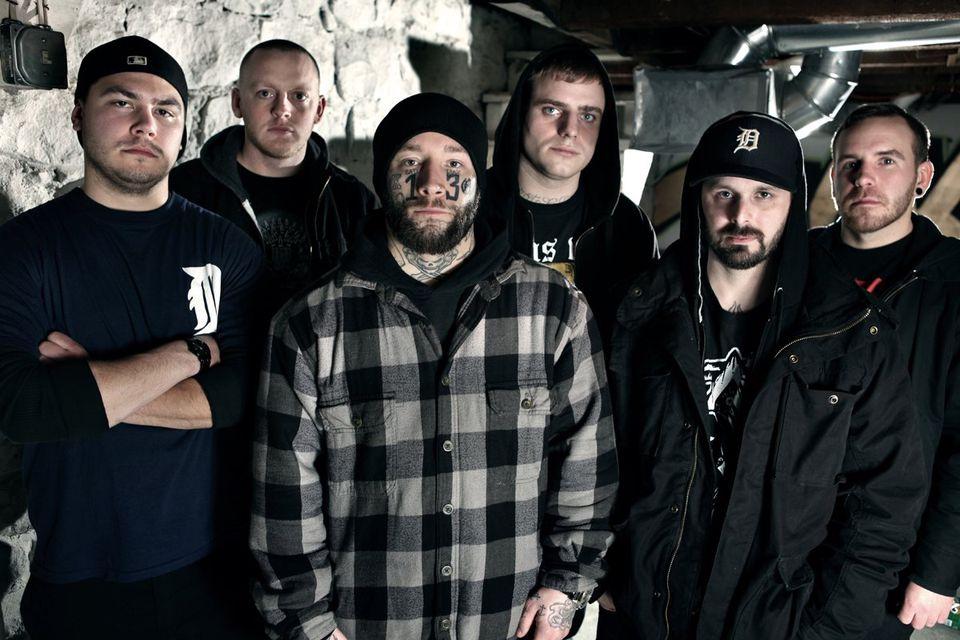
CDC’s Spotify BioCDC emerged in September 2003 from the silent suburban streets of three little towns named Lansdale, Doylestown and Perkasie. Having started as an "in-studio" project, the original members decided to take the show on the road. With a newly recorded demo and an instant "buzz" about them, CDC began playing shows all over the east coast. Through the rest of the 2000’s, CDC toured relentlessly across North America and Europe, stacking up over 700 shows in 24 countries including South Africa and Israel. Over the course of those 7 years they had several releases. In 2015, CDC released the “End” EP on GTR Records and Beatdown Hardware. “End” was five brand new tracks that expanded on the band's abilities, showcasing their evolution. During the 2010’s, CDC slowed down its touring assault but still managed to pump out numerous tours and fests such as Ieper Fest. Touring took them across North America, Europe, Eastern Europe, Southeast Asia and also the Middle East. Exiting the decade with 43… countries and just shy of 1,000 shows. As the 2020’s begin, CDC plans to continue traveling to new places and continue playing shows. The frequency of future tours is unknown but this band will never “End”.
Viberate is a music analytics platform built for A&Rs, artist managers, labels, booking agents, marketers, and artists.
It helps music professionals track artist growth, analyze audience data, monitor playlist activity, compare artists, follow song performance, and identify opportunities across the music market.
Public artist pages provide a free preview of selected artist data. Paid plans provide access to deeper analytics, historical data, charts, comparisons, playlist tools, exports, alerts, reports, and additional professional features.
Yes. Public Viberate artist pages provide selected artist analytics and music data for free.
Viberate also offers a 7-day free trial of the full platform. A credit card is required to start the trial. The trial includes access to the complete product so users can test deeper artist analytics, historical views, playlist insights, comparisons, charts, exports, alerts, and reporting features before choosing a paid plan.
Viberate provides artist analytics across streaming, playlists, social media, video, radio airplay, songs, and audience markets.
Users can analyze Spotify performance, Spotify and Apple Music playlists, YouTube activity, TikTok and Instagram growth, radio spins, song performance, audience locations, demographics, rankings, and overall artist momentum.
Artist profiles also connect to music charts, similar artists, and comparison tools, helping users benchmark performance and evaluate artists in context.
Viberate updates key artist and track data daily.
For followed artists and tracks, selected data is refreshed multiple times per day. This helps teams monitor playlist changes, streaming movement, audience growth, releases, and campaign performance with more current data.
Update frequency can vary depending on the metric and data source.
Yes. Viberate lets users compare up to five artists side by side across streaming, social media, audience, and engagement metrics.
Users can compare fanbase growth, audience demographics, locations, Spotify performance, social metrics, and other artist data over selected time periods.
Artist comparison can be used for A&R scouting, benchmarking, booking decisions, campaign planning, and evaluating artists with similar audiences or market positions.