CDB

R&B
Contemporary R&B
Soul
 Viberate Rank: 159376
 Viberate Rank: 159376
 Monthly ListenersFollowers
 Subscribers
 Followers
 Followers
 FansTop Spotify Songs
| Track | 7-Day Streams | |
|---|---|---|
1 | 10.08K | |
2 | 7.63K | |
3 | 868 | |
4 | 707 | |
5 | 694 |
Top YouTube Videos| Video | 7-Day Views | |
|---|---|---|
1 | 1.74K | |
2 | 478 | |
3 | 215 | |
4 | 193 | |
5 | 95 |
Monthly ListenersFeatured in Playlists| Playlist | Followers | |
|---|---|---|
1 |  Rap Game Up The Way Is Up | 48.71K |
2 |  RNB Fridays Julian Aloisi | 34.99K |
3 | Sing-A-Longs (00s, 90s & 80s All Genres) Tobias K | 23.25K |
4 |  CC:DISCO!'s track IDs Spotify | 23.18K |
5 | Late 90s, Early 2000s Kayla | 15.86K |
Audience| City | Monthly Listeners | |
|---|---|---|
1 | | 4.44K |
2 | | 4.16K |
3 | | 3.76K |
4 | | 1.80K |
5 |  | 1.10K |
See full performance history, audience data, playlist activity, rankings, comparisons, and more in Viberate music analytics. Start with a free trial, then continue with a paid plan.
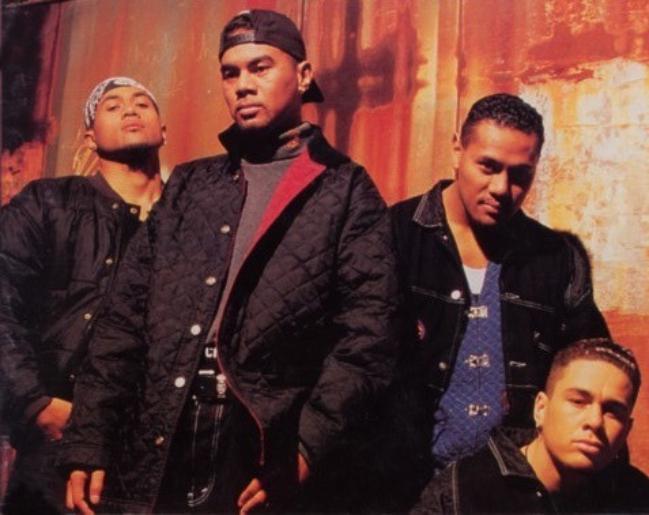
CDB’s Spotify BioWell revered for their R&B style and vocal harmonies, CDB featuring Andrew De Silva, Brad Pinto, Gary Pinto and Danny Williams, toured the world and achieve certified platinum sales.
Formed in Melbourne in 1991, the vocal quartet were reputed around their hometown for their urban live shows. Their debut release – Glide With Me (1994) – went Platinum in Australia and even hit the Top 5 in France.
The subsequent single – Let’s Groove – was the best-selling single in Australia in 1995. CDB toured far and wide, sharing the stage with the likes of Boyz II Men, K-Ci & Jo-Jo, Desiree and Tina Arena. During this time they also performed in Seoul to 100,000 music fans, while the show was also broadcast to an audience of 17-million people worldwide.
The band’s second album Lifted (1997), saw more successful singles, including Good Times and Back Then.
More recently CDB were back into the studio recording and in 2017 released, through Warner Music, ‘Tailored For Now’ - eleven tracks celebrating 1990s… R&B heroes such as Boyz II Men, Montell Jordan and SWV to name a few. Their latest single ‘Wobble’ was released December 2018.
Viberate is a music analytics platform built for A&Rs, artist managers, labels, booking agents, marketers, and artists.
It helps music professionals track artist growth, analyze audience data, monitor playlist activity, compare artists, follow song performance, and identify opportunities across the music market.
Public artist pages provide a free preview of selected artist data. Paid plans provide access to deeper analytics, historical data, charts, comparisons, playlist tools, exports, alerts, reports, and additional professional features.
Yes. Public Viberate artist pages provide selected artist analytics and music data for free.
Viberate also offers a 7-day free trial of the full platform. A credit card is required to start the trial. The trial includes access to the complete product so users can test deeper artist analytics, historical views, playlist insights, comparisons, charts, exports, alerts, and reporting features before choosing a paid plan.
Viberate provides artist analytics across streaming, playlists, social media, video, radio airplay, songs, and audience markets.
Users can analyze Spotify performance, Spotify and Apple Music playlists, YouTube activity, TikTok and Instagram growth, radio spins, song performance, audience locations, demographics, rankings, and overall artist momentum.
Artist profiles also connect to music charts, similar artists, and comparison tools, helping users benchmark performance and evaluate artists in context.
Viberate updates key artist and track data daily.
For followed artists and tracks, selected data is refreshed multiple times per day. This helps teams monitor playlist changes, streaming movement, audience growth, releases, and campaign performance with more current data.
Update frequency can vary depending on the metric and data source.
Yes. Viberate lets users compare up to five artists side by side across streaming, social media, audience, and engagement metrics.
Users can compare fanbase growth, audience demographics, locations, Spotify performance, social metrics, and other artist data over selected time periods.
Artist comparison can be used for A&R scouting, benchmarking, booking decisions, campaign planning, and evaluating artists with similar audiences or market positions.