Catherine Irwin

Country
Contemporary Country
Americana/Alt Country
 Viberate Rank: 767840
 Viberate Rank: 767840
 Monthly ListenersFollowers
 Subscribers
 Followers
 Followers
 FansTop Spotify Songs
| Track | 7-Day Streams | |
|---|---|---|
1 | 27 | |
2 | 20 | |
3 | 6 | |
4 | 6 | |
5 | 5 |
Top YouTube VideosMonthly ListenersFeatured in Playlists| Playlist | Followers | |
|---|---|---|
1 | Guy Garvey's Finest Hour 🔊 (BBC 6 Music) reacharound98 | 3.28K |
2 |  WFMU's Heavily Played Records - 2020s Edition WFMU | 1.93K |
Audience| City | Monthly Listeners | |
|---|---|---|
1 | | 12 |
2 | | 5 |
3 | | 5 |
4 | | 4 |
5 | | 4 |
See full performance history, audience data, playlist activity, rankings, comparisons, and more in Viberate music analytics. Start with a free trial, then continue with a paid plan.
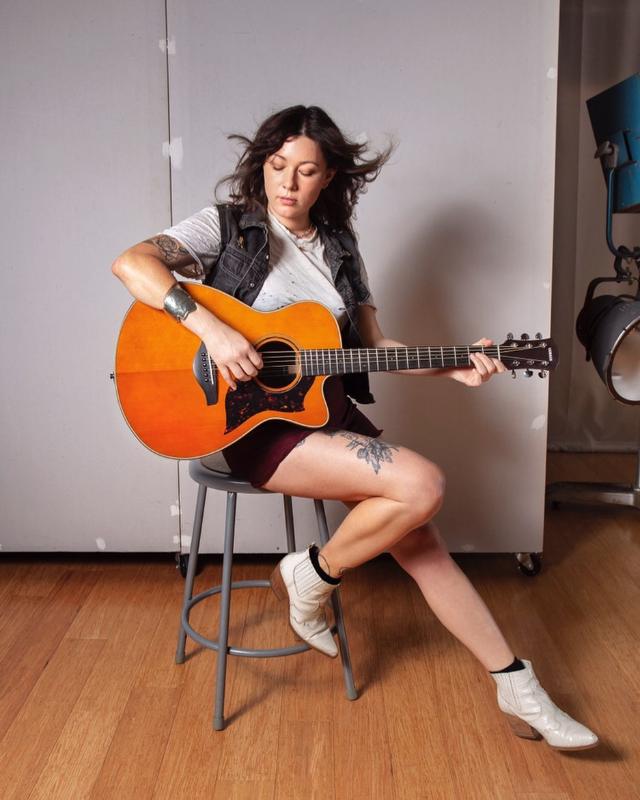
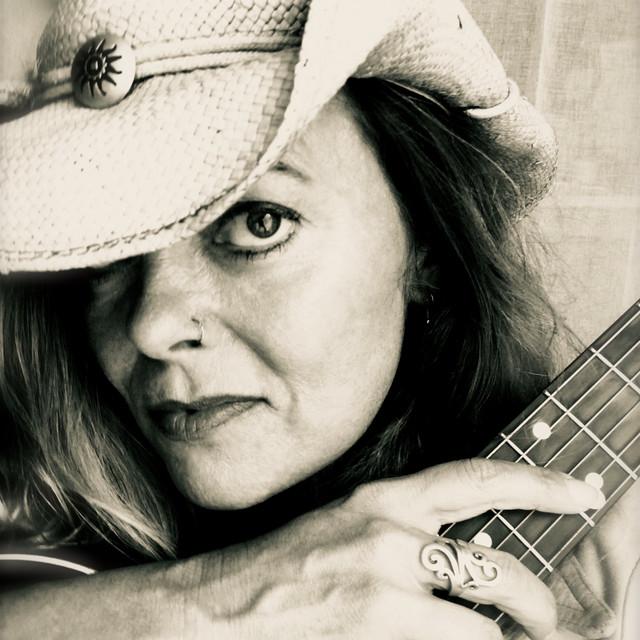
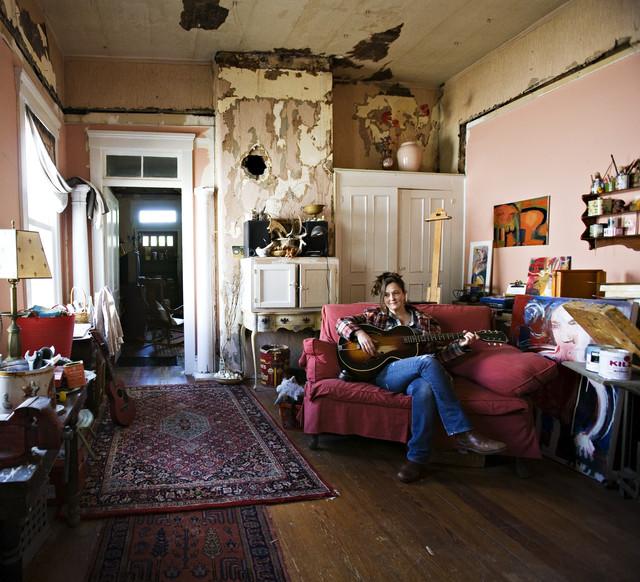
Catherine Irwin’s Spotify BioSinger and songwriter Catherine Irwin is best known as a founding member of Freakwater, one of the most acclaimed alt-country acts of the 1980s and ‘90s. Both as a solo act and as a member of Freakwater, Irwin is celebrated for her evocative songs and spare, primarily acoustic music, which fuses with her rich but unpretentious vocals to evoke the spirit of Appalachian music of the ‘20s and ‘30s while dealing with subject matter that speaks to the present day. Catherine Ann Irwin was born in New Haven, Connecticut on March 4, 1962. Her parents were both educators with a keen interest in folk and traditional music; her father, originally from Ireland, was particularly interested in Celtic music and played the bagpipes, while his sister played in a skiffle band in her youth. Irwin was a young girl when her family moved from Connecticut to Goshen, Kentucky, not far from Louisville. She became interested in bluegrass music, and in her teens she formed a folk group with her brother Alec… Irwin. In 1980, the Irwin siblings discovered punk rock, and soon picked up electric instruments, transforming the folk combo into a punk band called the Dickbrains, with Catherine on guitar and Alec on bass. The Dickbrains were short-lived, but earned a mention in a Village Voice piece on Louisville's burgeoning alternative music scene, and Catherine would become a mainstay in the Louisville underground music community. In 1982, she met Janet Beveridge Bean at a performance by the local band Circle X; the two had mutual friends as children, and they soon struck up a close friendship, with Bean moving into Irwin's apartment after a falling out with her parents. Irwin and Bean discovered a shared interest in vintage folk and country music, and began performing locally under a variety of names; they recorded their first demos in 1985, and one of their early recordings, a version of Woody Guthrie's "Little Black Train," appeared on a 1987 compilation Hog Butcher for the World, credited to Mojo Wishbean & Trippy Squashblossum. In 1988, Keith Holland of Amoeba Records approached Bean and Irwin about making an album; while Bean by this time was playing with the group Eleventh Dream Day, the two agreed to the deal, and the duo officially adopted the name Freakwater. With bassist David Gay accompanying Bean and Irwin, Freakwater would record six studio albums and a live set between 1989 and 1999, and while the group never quite broke through to mainstream acceptance, they consistently earned rave reviews and won a loyal following for their rich, heartfelt music. During Freakwater's periodic downtime (as Bean recorded and toured with Eleventh Dream Day, Irwin pursued a career as a visual artist (one of her paintings appears on the cover of EDD's Lived to Tell), and painted houses to support herself; she also appeared in the 1994 independent film Half-Cocked, singing Freakwater's "My Old Drunk Friend" at a punk rock house in Louisville. After touring in support of Freakwater's 1999 album End Times, the group went on hiatus as Bean took a job with a law firm in Chicago, and in 2000, Irwin made her debut as a solo act, playing a set at the South by Southwest Music Festival in Austin, Texas. In 2002, Irwin released her first solo album, Cut Yourself a Switch, and set out on a 15-show tour in support, with Dave Gay joining her on bass. Another tour followed in 2003, and several months later, Freakwater reunited to play three West Coast dates opening for Nick Cave & the Bad Seeds. Freakwater returned in 2005 with the album Thinking of You, and played an extensive American tour following its release; a live performance by the group was also featured on the DVD Burn to Shine, Vol. 2: Chicago. In 2006, after Freakwater toured Europe, Irwin played a handful of American dates opening for Neko Case, and she also contributed a track to the compilation album Old Town School of Folk Music, Vol. One, released by Bloodshot Records. In 2007, she played a few shows with Brett Eugene Ralph's Kentucky Chrome Revue (Ralph was another longtime veteran of the Louisville music scene), and she appeared on an album the group released in 2010. Irwin continued to play shows as a solo act and with Freakwater, while also working as an artist, contributing to a large installation called The Exquisite City at the Chicago Tourism Center and exhibiting her paintings at a number of galleries. In 2012, Irwin released her long-awaited second solo effort, Little Heater, through Thrill Jockey Records; the album was produced and recorded by Tara Jane O'Neil, a longtime friend and fellow Louisville musician who also played the female lead in Half-Cocked. ~ Mark Deming, Rovi
Viberate is a music analytics platform built for A&Rs, artist managers, labels, booking agents, marketers, and artists.
It helps music professionals track artist growth, analyze audience data, monitor playlist activity, compare artists, follow song performance, and identify opportunities across the music market.
Public artist pages provide a free preview of selected artist data. Paid plans provide access to deeper analytics, historical data, charts, comparisons, playlist tools, exports, alerts, reports, and additional professional features.
Yes. Public Viberate artist pages provide selected artist analytics and music data for free.
Viberate also offers a 7-day free trial of the full platform. A credit card is required to start the trial. The trial includes access to the complete product so users can test deeper artist analytics, historical views, playlist insights, comparisons, charts, exports, alerts, and reporting features before choosing a paid plan.
Viberate provides artist analytics across streaming, playlists, social media, video, radio airplay, songs, and audience markets.
Users can analyze Spotify performance, Spotify and Apple Music playlists, YouTube activity, TikTok and Instagram growth, radio spins, song performance, audience locations, demographics, rankings, and overall artist momentum.
Artist profiles also connect to music charts, similar artists, and comparison tools, helping users benchmark performance and evaluate artists in context.
Viberate updates key artist and track data daily.
For followed artists and tracks, selected data is refreshed multiple times per day. This helps teams monitor playlist changes, streaming movement, audience growth, releases, and campaign performance with more current data.
Update frequency can vary depending on the metric and data source.
Yes. Viberate lets users compare up to five artists side by side across streaming, social media, audience, and engagement metrics.
Users can compare fanbase growth, audience demographics, locations, Spotify performance, social metrics, and other artist data over selected time periods.
Artist comparison can be used for A&R scouting, benchmarking, booking decisions, campaign planning, and evaluating artists with similar audiences or market positions.