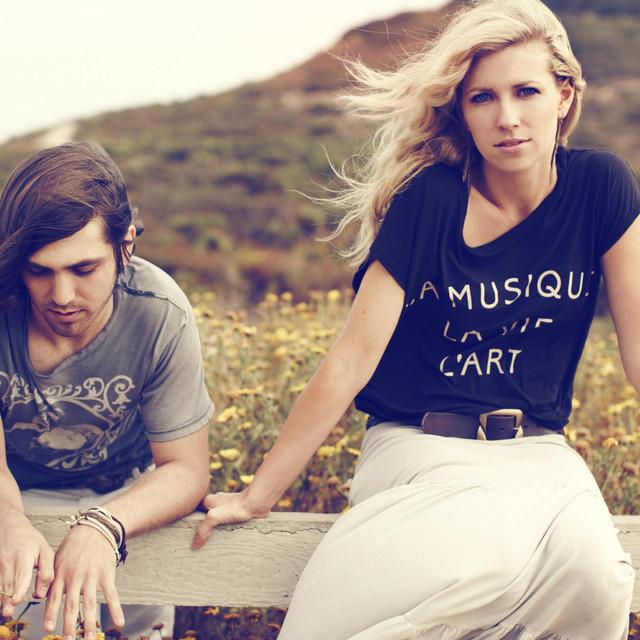
Catey Shaw

Pop
Mainstream Pop
Indie Pop
 Viberate Rank: 127981
 Viberate Rank: 127981
 Monthly ListenersFollowers
 Subscribers
 Followers
 Followers
 FansTop Spotify Songs
| Track | 7-Day Streams | |
|---|---|---|
1 | 18.84K | |
2 | 6.34K | |
3 | 1.67K | |
4 | 1.37K | |
5 | 1.10K |
Top YouTube VideosMonthly ListenersFeatured in Playlists| Playlist | Followers | |
|---|---|---|
1 |  Acoustic Covers Spotify | 4.35M |
2 |  Hits acústicos Spotify | 967.62K |
3 |  Classic Covers Spotify | 710.27K |
4 | Covers (that are better than the originals) JTG | 208.99K |
5 |  MrSuicideSheep Uploads MrSuicideSheep | 68.06K |
Audience| City | Monthly Listeners | |
|---|---|---|
1 |  | 1.05K |
2 |  | 897 |
3 | | 765 |
4 | | 747 |
5 | | 636 |
See full performance history, audience data, playlist activity, rankings, comparisons, and more in Viberate music analytics. Start with a free trial, then continue with a paid plan.
Catey Shaw’s Spotify BioCatey Shaw truly got her start underground- in the New York City subways. She played a beat-up ukulele for spare change until her producer and collaborator,
Jay Levine, discovered her playing on the 23rd St. station’s southbound platform on the F/M line. She released her debut EP, “Clouds” in February 2013, ringing with lyrics of love, family and the freedom of her bohemian, NYC lifestyle. In 2014 she released “The Brooklyn EP” featuring “Human Contact” and “Night Go Slow,” cementing herself into the indie-pop scene. That momentum continued through the release of her latest EP, “The Ransom,” and her Christmas song, “Cuddle Up” is slowly becoming a holiday classic.
Shaw is also a painter having studied at the renowned New York art college, SVA, and painted the artwork for all of her EPs.
Catey’s latest single “New Day” is taken from her and Jay Levine’s current work in progress; a musical theater production entitled “Wally” which is based on
Viennese avant-garde artist Egon Schiele’s muse… and mistress, Wally Neuzil.
Catey now lives in Los Angeles with her partner and their 5 month old son Wren.
Viberate is a music analytics platform built for A&Rs, artist managers, labels, booking agents, marketers, and artists.
It helps music professionals track artist growth, analyze audience data, monitor playlist activity, compare artists, follow song performance, and identify opportunities across the music market.
Public artist pages provide a free preview of selected artist data. Paid plans provide access to deeper analytics, historical data, charts, comparisons, playlist tools, exports, alerts, reports, and additional professional features.
Yes. Public Viberate artist pages provide selected artist analytics and music data for free.
Viberate also offers a 7-day free trial of the full platform. A credit card is required to start the trial. The trial includes access to the complete product so users can test deeper artist analytics, historical views, playlist insights, comparisons, charts, exports, alerts, and reporting features before choosing a paid plan.
Viberate provides artist analytics across streaming, playlists, social media, video, radio airplay, songs, and audience markets.
Users can analyze Spotify performance, Spotify and Apple Music playlists, YouTube activity, TikTok and Instagram growth, radio spins, song performance, audience locations, demographics, rankings, and overall artist momentum.
Artist profiles also connect to music charts, similar artists, and comparison tools, helping users benchmark performance and evaluate artists in context.
Viberate updates key artist and track data daily.
For followed artists and tracks, selected data is refreshed multiple times per day. This helps teams monitor playlist changes, streaming movement, audience growth, releases, and campaign performance with more current data.
Update frequency can vary depending on the metric and data source.
Yes. Viberate lets users compare up to five artists side by side across streaming, social media, audience, and engagement metrics.
Users can compare fanbase growth, audience demographics, locations, Spotify performance, social metrics, and other artist data over selected time periods.
Artist comparison can be used for A&R scouting, benchmarking, booking decisions, campaign planning, and evaluating artists with similar audiences or market positions.