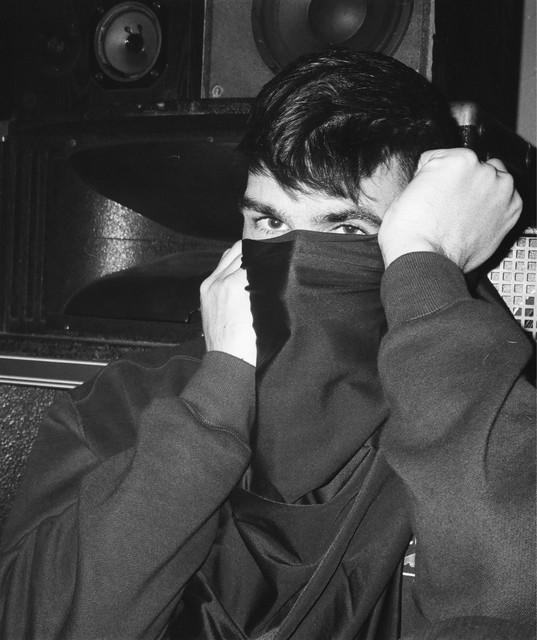
Carter Cook

Hip Hop
Alternative Hip Hop
Contemporary R&B
 Viberate Rank: 164207
 Viberate Rank: 164207
 Monthly ListenersFollowers
 Subscribers
 Followers
 Followers
 FansTop Spotify Songs
| Track | 7-Day Streams | |
|---|---|---|
1 | 16.83K | |
2 | 16.02K | |
3 | 7.71K | |
4 | 5.62K | |
5 | 5.42K |
Top YouTube VideosMonthly ListenersFeatured in Playlists| Playlist | Followers | |
|---|---|---|
1 |  LYRICAL LAB volume up | 118.56K |
2 |  art not algorithms Live2 | 84.28K |
3 |  broccoli cheddar Slimb | 33.22K |
4 |  Emo Rap / Sad Boy Shit / In Your Feeling Tame The Wav | 13.29K |
5 |  playlist à l'arrache thomas | 12.44K |
Audience| City | Monthly Listeners | |
|---|---|---|
1 | | 1.71K |
2 |  | 1.59K |
3 | | 1.50K |
4 | | 1.49K |
5 |  | 1.43K |
See full performance history, audience data, playlist activity, rankings, comparisons, and more in Viberate music analytics. Start with a free trial, then continue with a paid plan.
Carter Cook’s Spotify BioCarter Cook is redefining alternative hip hop, blending Mac Miller-esque vibes with soulful rap and pop. An Ohio native, Carter's love for music started early, influenced by legends like The Beatles, Ms. Lauryn Hill, and Lil Wayne. In high school, personal struggles led him to music as a way to understand himself.
Born in Cleveland, Ohio, in 1999, Carter got his first electric keyboard at age 9 and began learning songs by John Lennon and Cage The Elephant. After teaching himself to make beats using YouTube, he drew inspiration from Dominic Fike, Kid Cudi, and Kanye West, crafting beats and songs in his bedroom studio.
His journey continued through college, where he launched a full-time songwriting business in 2021. By 2022, Carter’s career gained momentum after being featured in Kyle Beats YouTube videos, leading to collaborations with Kyle Beats Collective, Matt Corman, and Justin Starling. By 2023, Carter was featured on Spotify Editorial Playlists, including Varsity Bars, Indie… Anthems , and Fresh Finds Hip-Hop reaching millions of streams. His single Stay On Course with The Kid in the Back and Fallin' Alone marked milestones.
Fully independent, Carter produces, writes, and engineers all his music. In May 2024, he released his debut album The Lotus Boy, and The Lotus Boy II, released April 11th, 2025, features 14 tracks combining alternative hip hop with new influences.
Merch & Exclusive Updates : https://cartercookmusic.com/merch
Viberate is a music analytics platform built for A&Rs, artist managers, labels, booking agents, marketers, and artists.
It helps music professionals track artist growth, analyze audience data, monitor playlist activity, compare artists, follow song performance, and identify opportunities across the music market.
Public artist pages provide a free preview of selected artist data. Paid plans provide access to deeper analytics, historical data, charts, comparisons, playlist tools, exports, alerts, reports, and additional professional features.
Yes. Public Viberate artist pages provide selected artist analytics and music data for free.
Viberate also offers a 7-day free trial of the full platform. A credit card is required to start the trial. The trial includes access to the complete product so users can test deeper artist analytics, historical views, playlist insights, comparisons, charts, exports, alerts, and reporting features before choosing a paid plan.
Viberate provides artist analytics across streaming, playlists, social media, video, radio airplay, songs, and audience markets.
Users can analyze Spotify performance, Spotify and Apple Music playlists, YouTube activity, TikTok and Instagram growth, radio spins, song performance, audience locations, demographics, rankings, and overall artist momentum.
Artist profiles also connect to music charts, similar artists, and comparison tools, helping users benchmark performance and evaluate artists in context.
Viberate updates key artist and track data daily.
For followed artists and tracks, selected data is refreshed multiple times per day. This helps teams monitor playlist changes, streaming movement, audience growth, releases, and campaign performance with more current data.
Update frequency can vary depending on the metric and data source.
Yes. Viberate lets users compare up to five artists side by side across streaming, social media, audience, and engagement metrics.
Users can compare fanbase growth, audience demographics, locations, Spotify performance, social metrics, and other artist data over selected time periods.
Artist comparison can be used for A&R scouting, benchmarking, booking decisions, campaign planning, and evaluating artists with similar audiences or market positions.