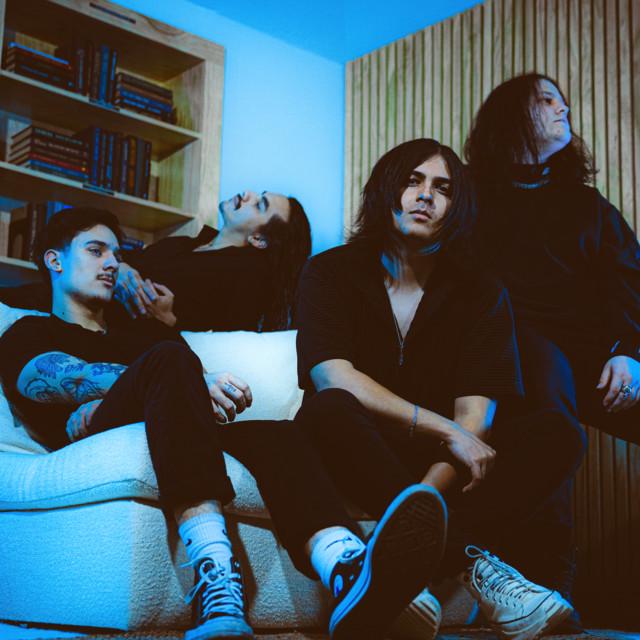
Carry the Day

Rock
Alternative Rock
 Viberate Rank: 144563
 Viberate Rank: 144563
 Monthly ListenersFollowers
 Subscribers
 Followers
 Followers
 FansTop Spotify Songs
| Track | 7-Day Streams | |
|---|---|---|
1 | 3.64K | |
2 | 3.59K | |
3 | 2.00K | |
4 | 1.56K | |
5 | 1.22K |
Top YouTube VideosMonthly ListenersFeatured in Playlists| Playlist | Followers | |
|---|---|---|
1 |  ~Rock Out~ Shroopy | 6.54K |
2 |  Stairway to Heaven Ruben Lopes | 5.81K |
3 |  Reverberation Radio Allah-Las | 5.56K |
4 |  Catchy Rock & Metal For Working Out GeneraStudios | 4.89K |
5 |  Hard Rock Frozen-Heart-Music | 4.67K |
Audience| City | Monthly Listeners | |
|---|---|---|
1 |  | 520 |
2 |  | 512 |
3 |  | 320 |
4 |  | 291 |
5 |  | 236 |
See full performance history, audience data, playlist activity, rankings, comparisons, and more in Viberate music analytics. Start with a free trial, then continue with a paid plan.
Carry the Day’s Spotify BioCarry The Day was born out of the tight knit South Bay scene in Torrance, California. Growing up surrounded by the echoes of SoCal’s alternative rock and post hardcore wave, trio Christopher Huynh (Vocals/Guitar), Luke Tazbier (Vocals/Bass), and Ian Geraci (Drums) channeled their love for early 2000s rock into something that feels both nostalgic and fresh. Think Linkin Park or Three Days Grace reimagined through a modern lens.
Carry The Day’s sound has been produced and developed by heavy hitters such as Sam Guiana (Silverstein, The Devil Wears Prada), Matthew Dennis (Nothing More, Diamante) and Zach Tuch (Spiritbox).
Following their new single Letting Go, the band continues to blend heartfelt lyricism with the punch of nu metal’s heavier edge, capturing the spirit of a genre finding its voice again. As active rock and nu metal roar back into the spotlight, the band’s explosive sound and relentless energy are positioning them as a rising force in modern rock.
Viberate is a music analytics platform built for A&Rs, artist managers, labels, booking agents, marketers, and artists.
It helps music professionals track artist growth, analyze audience data, monitor playlist activity, compare artists, follow song performance, and identify opportunities across the music market.
Public artist pages provide a free preview of selected artist data. Paid plans provide access to deeper analytics, historical data, charts, comparisons, playlist tools, exports, alerts, reports, and additional professional features.
Yes. Public Viberate artist pages provide selected artist analytics and music data for free.
Viberate also offers a 7-day free trial of the full platform. A credit card is required to start the trial. The trial includes access to the complete product so users can test deeper artist analytics, historical views, playlist insights, comparisons, charts, exports, alerts, and reporting features before choosing a paid plan.
Viberate provides artist analytics across streaming, playlists, social media, video, radio airplay, songs, and audience markets.
Users can analyze Spotify performance, Spotify and Apple Music playlists, YouTube activity, TikTok and Instagram growth, radio spins, song performance, audience locations, demographics, rankings, and overall artist momentum.
Artist profiles also connect to music charts, similar artists, and comparison tools, helping users benchmark performance and evaluate artists in context.
Viberate updates key artist and track data daily.
For followed artists and tracks, selected data is refreshed multiple times per day. This helps teams monitor playlist changes, streaming movement, audience growth, releases, and campaign performance with more current data.
Update frequency can vary depending on the metric and data source.
Yes. Viberate lets users compare up to five artists side by side across streaming, social media, audience, and engagement metrics.
Users can compare fanbase growth, audience demographics, locations, Spotify performance, social metrics, and other artist data over selected time periods.
Artist comparison can be used for A&R scouting, benchmarking, booking decisions, campaign planning, and evaluating artists with similar audiences or market positions.