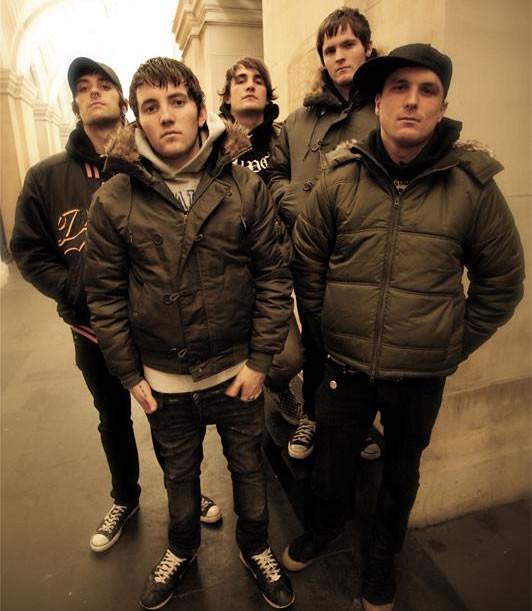
Carpathian

Punk
Hardcore Punk
 Viberate Rank: 278833
 Viberate Rank: 278833
 Monthly ListenersFollowers
 Subscribers
 Followers
 Followers
 FansTop Spotify Songs
| Track | 7-Day Streams | |
|---|---|---|
1 | 977 | |
2 | 792 | |
3 | 780 | |
4 | 546 | |
5 | 515 |
Top YouTube VideosMonthly ListenersFeatured in Playlists| Playlist | Followers | |
|---|---|---|
1 | HARDCORE WORLDWIDE Haasi | 5.47K |
2 |  HCWW Zimbo | 2.88K |
3 |  Melodic Hardcore/Metalcore James R | 2.70K |
4 |  AUSTRALIAN METALCORE / HEAVY Steve-o. K | 1.60K |
5 |  HARDCORE Joel | 1.58K |
Audience| City | Monthly Listeners | |
|---|---|---|
1 | | 977 |
2 | | 895 |
3 | | 716 |
4 | | 368 |
5 | | 256 |
See full performance history, audience data, playlist activity, rankings, comparisons, and more in Viberate music analytics. Start with a free trial, then continue with a paid plan.
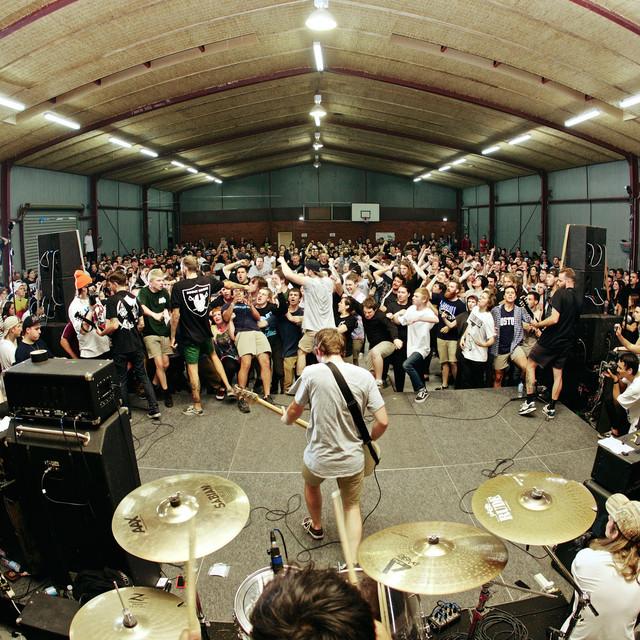
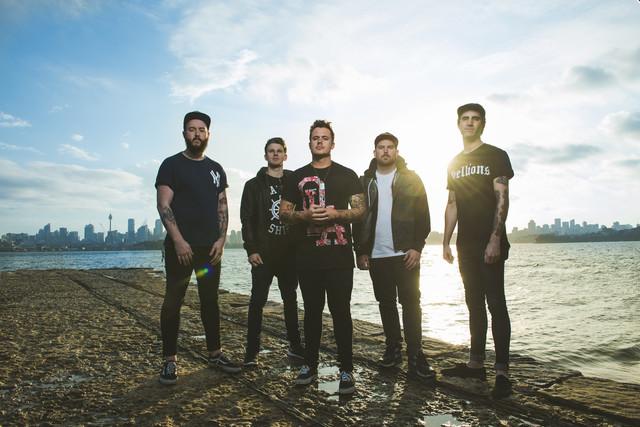
Carpathian’s Spotify BioFormed in 2003 in Melbourne, this old-fashioned hardcore band has established a notable presence on the Australian straight edge scene. The original line-up, comprising Martin Kirby (vocals), Anthony Harris (guitar), Ed Redclift (bass/vocals), and David Bichard (drums), made its name with a punishing touring schedule on the Australian hardcore circuit. A split release with Never Alone and 2005’s self-titled EP both sold well, and led to a contract with the Resist label for the 2006 album Nothing To Lose. A series of line-up changes followed the same year, with notable hardcore scenester Michael Crafter (ex-I Killed The Prom Queen) drafted in as lead singer, with Kirby switching to rhythm guitar in place of the departing Harris, and Josh Manitta replacing temporary guitarist Julian Marsh. Despite the band’s burgeoning profile, Crafter elected to leave them in February 2007. Kirby resumed his lead vocalist position with Ben Coyte brought in as second guitarist.
Viberate is a music analytics platform built for A&Rs, artist managers, labels, booking agents, marketers, and artists.
It helps music professionals track artist growth, analyze audience data, monitor playlist activity, compare artists, follow song performance, and identify opportunities across the music market.
Public artist pages provide a free preview of selected artist data. Paid plans provide access to deeper analytics, historical data, charts, comparisons, playlist tools, exports, alerts, reports, and additional professional features.
Yes. Public Viberate artist pages provide selected artist analytics and music data for free.
Viberate also offers a 7-day free trial of the full platform. A credit card is required to start the trial. The trial includes access to the complete product so users can test deeper artist analytics, historical views, playlist insights, comparisons, charts, exports, alerts, and reporting features before choosing a paid plan.
Viberate provides artist analytics across streaming, playlists, social media, video, radio airplay, songs, and audience markets.
Users can analyze Spotify performance, Spotify and Apple Music playlists, YouTube activity, TikTok and Instagram growth, radio spins, song performance, audience locations, demographics, rankings, and overall artist momentum.
Artist profiles also connect to music charts, similar artists, and comparison tools, helping users benchmark performance and evaluate artists in context.
Viberate updates key artist and track data daily.
For followed artists and tracks, selected data is refreshed multiple times per day. This helps teams monitor playlist changes, streaming movement, audience growth, releases, and campaign performance with more current data.
Update frequency can vary depending on the metric and data source.
Yes. Viberate lets users compare up to five artists side by side across streaming, social media, audience, and engagement metrics.
Users can compare fanbase growth, audience demographics, locations, Spotify performance, social metrics, and other artist data over selected time periods.
Artist comparison can be used for A&R scouting, benchmarking, booking decisions, campaign planning, and evaluating artists with similar audiences or market positions.