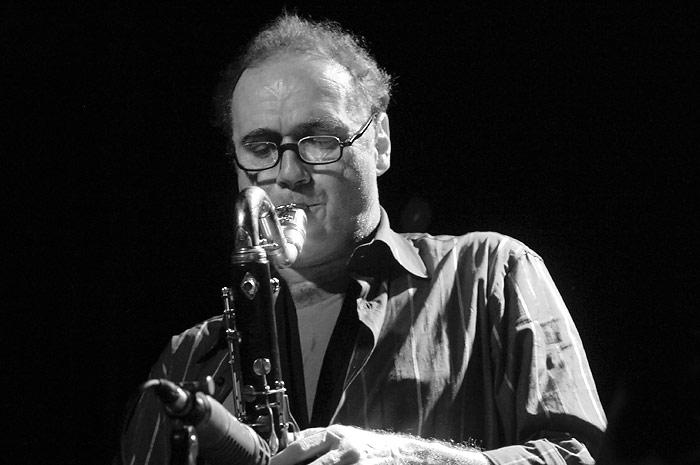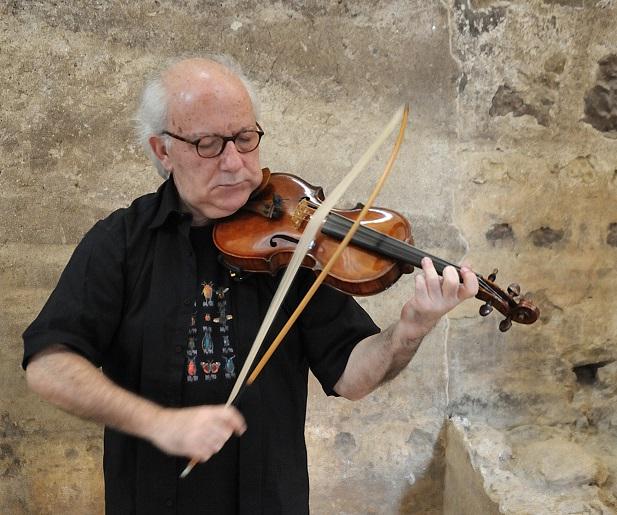
Carlos Zingaro

Jazz
Smooth Jazz
Free Jazz
 Viberate Rank: 693615
 Viberate Rank: 693615
 Monthly ListenersFollowers
 Subscribers
 Followers
 Followers
 FansTop Spotify Songs
| Track | 7-Day Streams | |
|---|---|---|
1 | 3 | |
2 | 2 |
Top YouTube VideosMonthly ListenersFeatured in Playlists| Playlist | Followers | |
|---|---|---|
1 |  1986 - Canções Para Uma Série radiomarkl | 1.89K |
2 |  1986 - A Banda Sonora Completa radiomarkl | 1.45K |
Audience| City | Monthly Listeners | |
|---|---|---|
1 | | 4 |
See full performance history, audience data, playlist activity, rankings, comparisons, and more in Viberate music analytics. Start with a free trial, then continue with a paid plan.
Carlos Zingaro’s Spotify BioSince the late 1970s, violinist Carlos "Zingaro" Alves has worked with many of the top improvisers and composers of his time. Born in Portugal, Zingaro studied classical music at his hometown of Lisbon's Music Conservatory from the age of five, until 1965. He was a member of the Lisbon University Chamber Orchestra during the '60s, and in the latter half of the decade formed Plexus, which was the only Portuguese new music group around. Plexus drew from contemporary classical, rock and improvisation, and recorded a single for RCA Victor. During this time, Zingaro also studied church organ. After completing his Stage Design studies at Lisbon Theater High School (where he later served on the board of directors), he became heavily involved in scoring and performing music for theater productions. Zingaro began working with a number of leading improvisers from the mid-'70s on. In addition to these collaborations, from 1974 to 1980 he served as music director for Lisbon-based theater group… Comicos. Zingaro also helped found an art gallery of the same name during this time. In 1979, he received a Fulbright Grant and was invited to come to Woodstock, NY and participate in the Creative Music Foundation. Anthony Braxton, Roscoe Mitchell, Tom Cora and Richard Teitelbaum (who became a regular collaborator) are some of the artists Zingaro worked with while there. His involvement with the theater continued as he received the Portuguese Critics Award for best theater music (1981), worked with Italian theater director Giorgio Barberio Corsetti on his Kafka Trilogy (1988), and worked as stage and costume designer for other productions. Zingaro has also produced several film scores, and collaborated with dance companies including the Gulbenkian dance company and Opera de Geneve D.C. He has performed at new and improvised music festivals in Europe, Asia and North America. The '90s found Zingaro performing on many recordings including his regular collaborations with Richard Teitelbaum; recording with bassist Joëlle Léandre for the In Situ and Musicworks labels; his work with Peter Kowald Ort Ensemble for FMP's 1995 release, Cuts; and Western Front, his duo recording with Vancouver cellist Peggy Lee, that Hatology released in 1996. ~ Joslyn Layne, Rovi
Viberate is a music analytics platform built for A&Rs, artist managers, labels, booking agents, marketers, and artists.
It helps music professionals track artist growth, analyze audience data, monitor playlist activity, compare artists, follow song performance, and identify opportunities across the music market.
Public artist pages provide a free preview of selected artist data. Paid plans provide access to deeper analytics, historical data, charts, comparisons, playlist tools, exports, alerts, reports, and additional professional features.
Yes. Public Viberate artist pages provide selected artist analytics and music data for free.
Viberate also offers a 7-day free trial of the full platform. A credit card is required to start the trial. The trial includes access to the complete product so users can test deeper artist analytics, historical views, playlist insights, comparisons, charts, exports, alerts, and reporting features before choosing a paid plan.
Viberate provides artist analytics across streaming, playlists, social media, video, radio airplay, songs, and audience markets.
Users can analyze Spotify performance, Spotify and Apple Music playlists, YouTube activity, TikTok and Instagram growth, radio spins, song performance, audience locations, demographics, rankings, and overall artist momentum.
Artist profiles also connect to music charts, similar artists, and comparison tools, helping users benchmark performance and evaluate artists in context.
Viberate updates key artist and track data daily.
For followed artists and tracks, selected data is refreshed multiple times per day. This helps teams monitor playlist changes, streaming movement, audience growth, releases, and campaign performance with more current data.
Update frequency can vary depending on the metric and data source.
Yes. Viberate lets users compare up to five artists side by side across streaming, social media, audience, and engagement metrics.
Users can compare fanbase growth, audience demographics, locations, Spotify performance, social metrics, and other artist data over selected time periods.
Artist comparison can be used for A&R scouting, benchmarking, booking decisions, campaign planning, and evaluating artists with similar audiences or market positions.