Carlos Campos

Electronic
House
Downtempo
 Viberate Rank: 294387
 Viberate Rank: 294387
 Monthly ListenersFollowers
 Subscribers
 Followers
 Followers
 FansTop Spotify Songs
| Track | 7-Day Streams | |
|---|---|---|
1 | 5.85K | |
2 | 4.55K | |
3 | 3.70K | |
4 | 3.56K | |
5 | 1.88K |
Top YouTube Videos| Video | 7-Day Views | |
|---|---|---|
1 | 15 |
Monthly ListenersFeatured in Playlists| Playlist | Followers | |
|---|---|---|
1 |  The Sound of Everything The Sounds of Spotify | 53.82K |
2 |  BUDDHA BAR CAFE DEL MAR 2026 MB Music | Chill & lounge | 44.85K |
3 |  Buddha-Bar Classics: Lounge & Beyond Buddha-Bar | 43.02K |
4 |  Buddha bar BEST OF Cyber Tao | 34.31K |
5 | Buddah Bar Chill Out Jim Cuervo | 17.12K |
Audience| City | Monthly Listeners | |
|---|---|---|
1 |  | 706 |
2 |  | 613 |
3 |  | 590 |
4 |  | 480 |
5 |  | 475 |
See full performance history, audience data, playlist activity, rankings, comparisons, and more in Viberate music analytics. Start with a free trial, then continue with a paid plan.
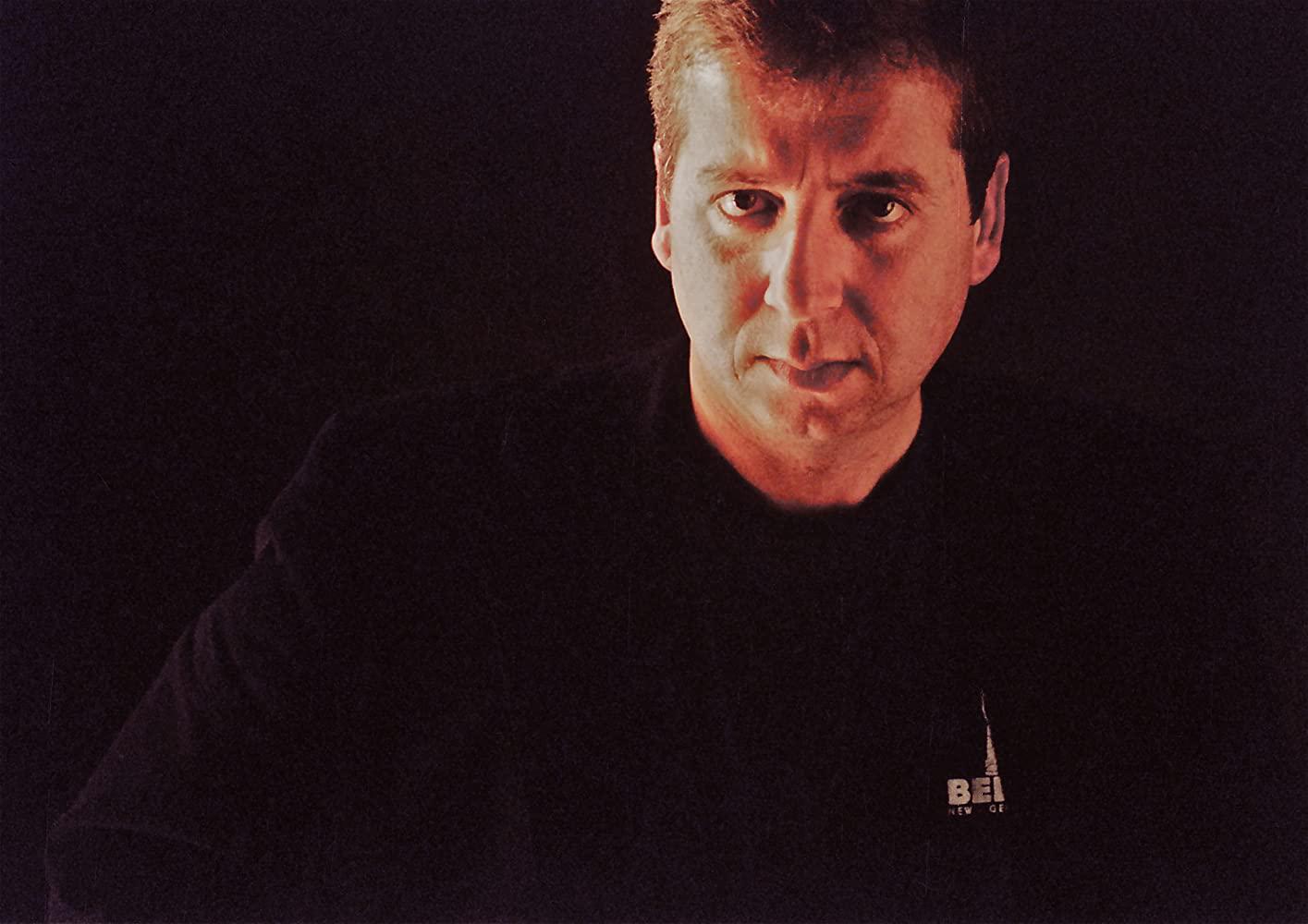
Carlos Campos’ Spotify BioCarlos Campos. French DJ on Buddha Bar Team, born in Santiago (Carlos Campos Gautier), Chile, He use to play on best Venues around the world whit a very Dancefloor and fresh sound, mixing Electro and Acoustic sounds such House, Electro, Moombah, Lounge and of course the best Latin Grooves. He became famous all over the world by co-interpreting Lorca’s hit “Ritmo de la noche”. Furthermore, he earned himself a strong reputation by mixing in Parisian parties. He produce different kind of music and loves to let his inspiration flows. In 1999, he became the first resident DJ at Barrio Latino Paris (Buddha Bar Group) and his popularity surged worldwide. He worked with Claude Challe, Ravin and remixed artists as diverse as Natacha Atlas, Tarkan, Laurent Wolf or Alabina, a proof of his musical opening. As a producer, Carlos realized tracks on the compilations Buddha Bar, Nirvana Lounge,Opium Miami, Reggaeton on Fire, Latino Club and, of course, on the Barrio Latino compilations. He also mixed… and realized the compilation Tribal Works vol.1 that inflames the dance floors with African and Latin percussions. An international DJ he keeps aware of the evolution of Electro & Latin Grooves, constantly recreated…
Viberate is a music analytics platform built for A&Rs, artist managers, labels, booking agents, marketers, and artists.
It helps music professionals track artist growth, analyze audience data, monitor playlist activity, compare artists, follow song performance, and identify opportunities across the music market.
Public artist pages provide a free preview of selected artist data. Paid plans provide access to deeper analytics, historical data, charts, comparisons, playlist tools, exports, alerts, reports, and additional professional features.
Yes. Public Viberate artist pages provide selected artist analytics and music data for free.
Viberate also offers a 7-day free trial of the full platform. A credit card is required to start the trial. The trial includes access to the complete product so users can test deeper artist analytics, historical views, playlist insights, comparisons, charts, exports, alerts, and reporting features before choosing a paid plan.
Viberate provides artist analytics across streaming, playlists, social media, video, radio airplay, songs, and audience markets.
Users can analyze Spotify performance, Spotify and Apple Music playlists, YouTube activity, TikTok and Instagram growth, radio spins, song performance, audience locations, demographics, rankings, and overall artist momentum.
Artist profiles also connect to music charts, similar artists, and comparison tools, helping users benchmark performance and evaluate artists in context.
Viberate updates key artist and track data daily.
For followed artists and tracks, selected data is refreshed multiple times per day. This helps teams monitor playlist changes, streaming movement, audience growth, releases, and campaign performance with more current data.
Update frequency can vary depending on the metric and data source.
Yes. Viberate lets users compare up to five artists side by side across streaming, social media, audience, and engagement metrics.
Users can compare fanbase growth, audience demographics, locations, Spotify performance, social metrics, and other artist data over selected time periods.
Artist comparison can be used for A&R scouting, benchmarking, booking decisions, campaign planning, and evaluating artists with similar audiences or market positions.