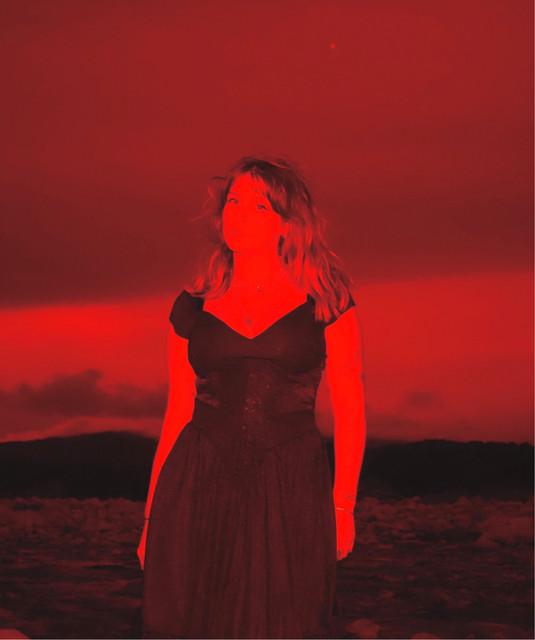
Carling Berkhout

Country
Americana/Alt Country
Folk Rock
 Viberate Rank: 477479
 Viberate Rank: 477479
 Monthly ListenersFollowers
 Subscribers
 Followers
 Followers
 FansTop Spotify Songs
| Track | 7-Day Streams | |
|---|---|---|
1 | 118 | |
2 | 5 | |
3 | 2 | |
4 | 2 | |
5 | 1 |
Top YouTube VideosMonthly ListenersFeatured in PlaylistsAudience| City | Monthly Listeners | |
|---|---|---|
1 |  | 10 |
2 | | 8 |
3 | | 6 |
4 | | 6 |
5 | | 6 |
See full performance history, audience data, playlist activity, rankings, comparisons, and more in Viberate music analytics. Start with a free trial, then continue with a paid plan.
Carling Berkhout’s Spotify BioCarling Berkhout’s first exposure to music was through the storied inroads of The Beatles, playing songs backward in her childhood friend’s rabbit-themed bedroom that the two believed was haunted. Raised in rural Vermont, her father, a folkie songster who lived and worked in LA in the 1960s, and her mother, a symphonic cellist, imparted the musical threads she continues to unravel.
In high school, Berkhout found the banjo and began developing a singular voice in the clawhammer tradition. Just two years after discovering the instrument, she formed the duo Carling & Will with collaborator William Seeders Mosheim.
Exploring her voice as a solo artist, Berkhout’s debut album, Omens, reflects a studied approach to songcraft. Made with collaborator Sam Clement in a small studio on the New York line, Omens came together over the period of two years. With the additional help of mixing engineer Paul Kolderie (Pixies, Radiohead, and Dinosaur Jr.), its sonic world exists somewhere between a bedroom… rock affair and the dynamic balance of a David Rawlings & Gillian Welch record. On “Ghost of You,” one is reminded of poet-musicians like Lou Reed and Patti Smith, while “Night Sweats” marries the rhythmic pulse of mountain music to the flowing contours of early Fleetwood Mac. Opening the door to an even wider doorway of listeners, Carling is off to the races yet again in her characteristic way of glueing together what she loves with the daring of someone who has nothing left to lose.
Viberate is a music analytics platform built for A&Rs, artist managers, labels, booking agents, marketers, and artists.
It helps music professionals track artist growth, analyze audience data, monitor playlist activity, compare artists, follow song performance, and identify opportunities across the music market.
Public artist pages provide a free preview of selected artist data. Paid plans provide access to deeper analytics, historical data, charts, comparisons, playlist tools, exports, alerts, reports, and additional professional features.
Yes. Public Viberate artist pages provide selected artist analytics and music data for free.
Viberate also offers a 7-day free trial of the full platform. A credit card is required to start the trial. The trial includes access to the complete product so users can test deeper artist analytics, historical views, playlist insights, comparisons, charts, exports, alerts, and reporting features before choosing a paid plan.
Viberate provides artist analytics across streaming, playlists, social media, video, radio airplay, songs, and audience markets.
Users can analyze Spotify performance, Spotify and Apple Music playlists, YouTube activity, TikTok and Instagram growth, radio spins, song performance, audience locations, demographics, rankings, and overall artist momentum.
Artist profiles also connect to music charts, similar artists, and comparison tools, helping users benchmark performance and evaluate artists in context.
Viberate updates key artist and track data daily.
For followed artists and tracks, selected data is refreshed multiple times per day. This helps teams monitor playlist changes, streaming movement, audience growth, releases, and campaign performance with more current data.
Update frequency can vary depending on the metric and data source.
Yes. Viberate lets users compare up to five artists side by side across streaming, social media, audience, and engagement metrics.
Users can compare fanbase growth, audience demographics, locations, Spotify performance, social metrics, and other artist data over selected time periods.
Artist comparison can be used for A&R scouting, benchmarking, booking decisions, campaign planning, and evaluating artists with similar audiences or market positions.