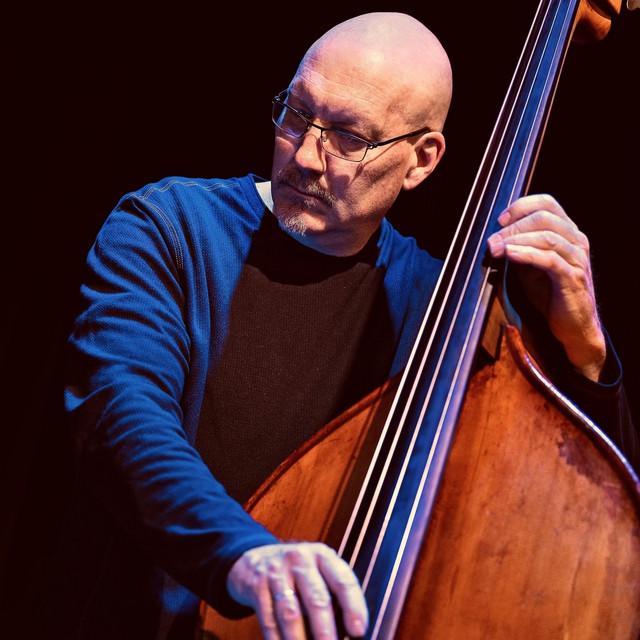
Carla Bley

Jazz
Smooth Jazz
Free Jazz
 Viberate Rank: 125870
 Viberate Rank: 125870
 Monthly ListenersFollowers
 Subscribers
 Followers
 Followers
 FansTop Spotify Songs
| Track | 7-Day Streams | |
|---|---|---|
1 | 13.04K | |
2 | 8.02K | |
3 | 4.09K | |
4 | 2.40K | |
5 | 2.02K |
Top YouTube VideosMonthly ListenersFeatured in Playlists| Playlist | Followers | |
|---|---|---|
1 |  Women of Jazz Spotify | 865.70K |
2 |  Jazz Piano Classics Spotify | 158.63K |
3 |  爵士小酒館 Digster Taiwan | 32.76K |
4 |  Mellow Jazz For Late At Night NgaioMan | 21.76K |
5 | ECM RECORDS (best) Alex Soukiouroglou | 16.96K |
Audience| City | Monthly Listeners | |
|---|---|---|
1 |  | 1.05K |
2 | | 787 |
3 |  | 735 |
4 |  | 628 |
5 |  | 614 |
See full performance history, audience data, playlist activity, rankings, comparisons, and more in Viberate music analytics. Start with a free trial, then continue with a paid plan.
Carla Bley’s Spotify BioA highly regarded pianist, composer, and arranger, Carla Bley was at the forefront of avant-garde jazz and modern creative music beginning in the 1960s. She initially emerged as a composer, working closely with pianist Paul Bley as well as progressive artists like George Russell and Jimmy Giuffre. She was a founder of the Jazz Composers' Orchestra, and her long-form jazz opera Escalator Over the Hill stands as a distinct stylistic signpost of the era. Bley worked with a host of free jazz icons -- including Pharaoh Sanders, Steve Lacy, and Peter Brotzmann, among others -- and composed challenging, genre-bending works into the 21st century. Along with her many large-ensemble works, she regularly collaborated in a trio with bassist Steve Swallow and saxophonist Andy Sheppard, issuing albums like 2013's Trios, 2016's Andando el Tiempo, and 2020's Life Goes On.
Born Carla Borg in 1936 in Oakland, California, Bley learned the fundamentals of music as a child from her father, a church… musician. Thereafter, she was mostly self-taught. She moved to New York around 1955, where she worked as a cigarette girl and occasional pianist. She married pianist Paul Bley, for whom she began to write tunes (she also wrote for George Russell and Jimmy Giuffre). In 1964, with her second husband, trumpeter Michael Mantler, Bley formed the Jazz Composer's Guild Orchestra, which a year later became known simply as the Jazz Composer's Orchestra. Two years later, Bley helped found the Jazz Composer's Orchestra Association, a nonprofit organization designed to present, distribute, and produce unconventional forms of jazz.
In 1967, vibraphonist Gary Burton's quartet recorded Bley's cycle of tunes A Genuine Tong Funeral, which brought her to the attention of the general public for the first time. Bley composed and arranged music in 1969 for Charlie Haden's Liberation Music Orchestra. In 1971, she completed the work that cemented her reputation, the jazz opera Escalator Over the Hill. In the '70s and '80s, Bley continued to run the JCOA and compose and record for her own Watt label. The JCOA essentially folded in the late '80s, but Bley's creative life continued mostly unabated as she maintained a midsized big band with fairly stable personnel to tour and record. She also worked a great deal with the bassist Steve Swallow, in duo and in ensembles of varying size.
Bley wrote the music for the soundtrack to the 1985 film Mortelle Randone. She also contributed new compositions to the Liberation Music Orchestra's second incarnation in 1983. All through the '80s, '90s, and into the new millennium, Bley continued releasing albums through ECM, ranging from duets with bassist Steve Swallow to the Very Big Carla Bley Band. She issued a third duets album with Steve Swallow, Are We There Yet?, in 2000, Looking for America in 2003, The Lost Chords Find Paolo Fresu in 2007, and the big-band album Appearing Nightly in 2008.
Bley returned in 2013 with Trios, featuring Swallow and saxophonist Andy Sheppard; the album marked the very first time that the pianist recorded for ECM proper instead of Watt, which had been her home for over 40 years. Her next ECM effort, 2016's Andando el Tiempo, also showcased her trio with Swallow and Sheppard, as did 2020's Life Goes On, which was recorded as Bley was in treatment for cancer. It would prove to be her final album; she died at her home on October 17, 2023 at the age of 87. ~ Chris Kelsey, Rovi
Viberate is a music analytics platform built for A&Rs, artist managers, labels, booking agents, marketers, and artists.
It helps music professionals track artist growth, analyze audience data, monitor playlist activity, compare artists, follow song performance, and identify opportunities across the music market.
Public artist pages provide a free preview of selected artist data. Paid plans provide access to deeper analytics, historical data, charts, comparisons, playlist tools, exports, alerts, reports, and additional professional features.
Yes. Public Viberate artist pages provide selected artist analytics and music data for free.
Viberate also offers a 7-day free trial of the full platform. A credit card is required to start the trial. The trial includes access to the complete product so users can test deeper artist analytics, historical views, playlist insights, comparisons, charts, exports, alerts, and reporting features before choosing a paid plan.
Viberate provides artist analytics across streaming, playlists, social media, video, radio airplay, songs, and audience markets.
Users can analyze Spotify performance, Spotify and Apple Music playlists, YouTube activity, TikTok and Instagram growth, radio spins, song performance, audience locations, demographics, rankings, and overall artist momentum.
Artist profiles also connect to music charts, similar artists, and comparison tools, helping users benchmark performance and evaluate artists in context.
Viberate updates key artist and track data daily.
For followed artists and tracks, selected data is refreshed multiple times per day. This helps teams monitor playlist changes, streaming movement, audience growth, releases, and campaign performance with more current data.
Update frequency can vary depending on the metric and data source.
Yes. Viberate lets users compare up to five artists side by side across streaming, social media, audience, and engagement metrics.
Users can compare fanbase growth, audience demographics, locations, Spotify performance, social metrics, and other artist data over selected time periods.
Artist comparison can be used for A&R scouting, benchmarking, booking decisions, campaign planning, and evaluating artists with similar audiences or market positions.