Carl Sims

R&B
Soul
Contemporary Blues
 Viberate Rank: 167072
 Viberate Rank: 167072
 Monthly ListenersFollowers
 Subscribers
 Followers
 Followers
 FansTop Spotify Songs
| Track | 7-Day Streams | |
|---|---|---|
1 | 5.31K | |
2 | 1.10K | |
3 | 1.05K | |
4 | 538 | |
5 | 273 |
Top YouTube VideosMonthly ListenersFeatured in Playlists| Playlist | Followers | |
|---|---|---|
1 | Lo Mejor del Blues de Todos los Tiempos (Musica Blues Lo Mejor) acaranto7 | 21.83K |
2 | Southern Soul Blues Mix 2024 rquick1202 | 12.36K |
3 | Southern Soul BBQ Mix Jerald Henry | 10.64K |
4 | The best blues songs of all time João Lucas Anselmo | 10.12K |
5 | Down South Blues Mix tarrenta | 9.62K |
Audience| City | Monthly Listeners | |
|---|---|---|
1 | | 1.34K |
2 | | 1.20K |
3 | | 836 |
4 | | 794 |
5 | | 491 |
See full performance history, audience data, playlist activity, rankings, comparisons, and more in Viberate music analytics. Start with a free trial, then continue with a paid plan.
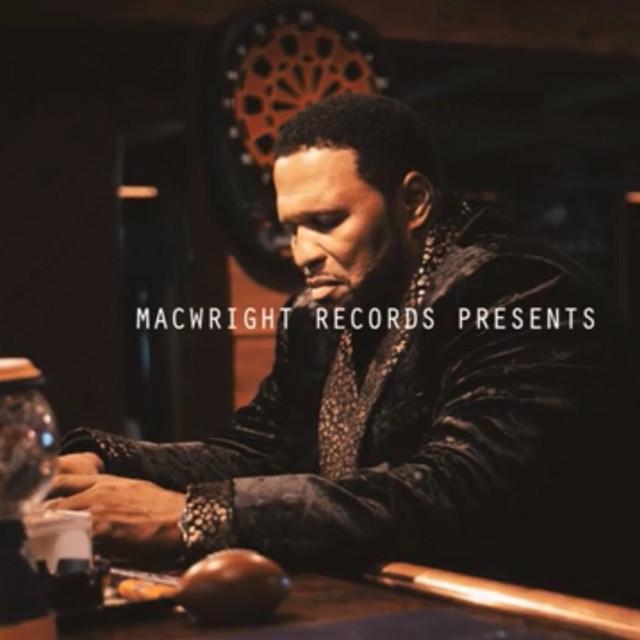
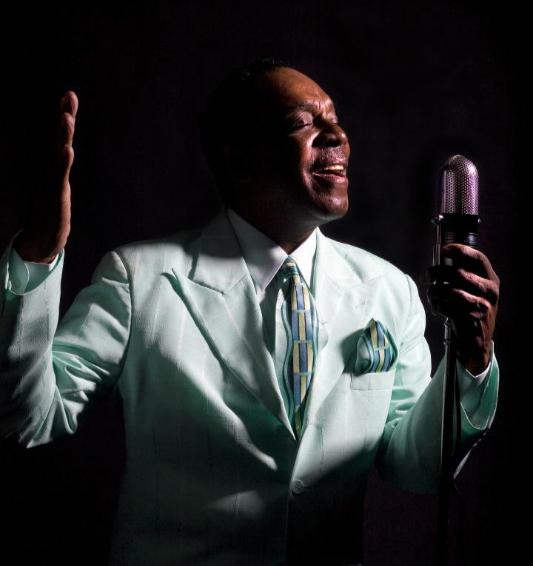
Carl Sims’ Spotify BioCarl Sims came to fame later in life, scoring his first Southern soul hits in the late '90s, 30 years after he first started singing as a teenager in Memphis, Tennessee. When he was 16, he caught the ear of Otis Redding, who hired Sims after hearing him sing with Stax house band the Bar-Kays in local clubs. Sims wound up just missing the tragic plane flight that killed Redding in 1967 -- an incident that would put him in history books, but Sims turned into a survivor, working Southern soul circuits for three decades before releasing his debut, House of Love, in 1995. From that point forward, he worked steadily as a headliner and recorded regularly, releasing albums on Paula, Waldoxy, Ecko, and CDS.
Born in Memphis, Tennessee on October 18, 1949, Carl Sims first fell in love with music while he was a student in junior high school. He initially sang with a group called the Mustangs before heading out on his own, eventually attracting the attention of Stax studio band the Bar-Kays.… Whenever the group played a local club in the mid-'60s they'd have Sims sing, and when the Bar-Kays backed Otis Redding on his 1967 tour, the group took Sims along as a roadie and a singer. On the fateful December night that Redding and the rest of the Bar-Kays took a small aircraft from Cleveland, Ohio to Madison, Wisconsin, Sims and Bar-Kays bassist James Alexander took alternate transportation to the gig. The two survivors had to identify their bandmates after the accident.
Sims headed back to Memphis and started to gig regularly, releasing a Dan Greer-produced single called "I Know How to Love a Woman" on Beale Street Records in the late '60s. He'd release other singles for Greer-associated labels -- "Pity a Fool"/"The Word Is Out" came out during the early '70s -- and he'd perform on his own at local clubs. He joined a band named Steel, who released a single called "Never on a Monday" for Epic in 1971, and stayed with them through an album that went nowhere. In 1977, he toured U.S. Army bases singing with Element of the Universe, and the following year he sang backup vocals in the soul group Fiesta. His next big break arrived in 1981 when he worked as the opening act for Denise LaSalle. This increased exposure led to "Seventeen Days of Loving," a single released on Edge Records in 1988. LIFE Records put out "Smooth Ride" in 1990, and then in 1993 he had a Southern soul hit with "Trapped," which was released on Paula Records. Paula then put out his full-length debut, House of Love, in 1995.
House of Love jump-started Carl Sims' career. From that point forward, he'd release a new album every three or four years, moving from Paula to Waldoxy for 1998's Let Me Be the One. He stayed on the label through 2001's M&M Man, switching to Entune for 2003's Brick House. Sims had a three-album run on Ecko in the mid-2000s -- It's Just a Party came out in 2004, followed by I'm Ready in 2006 and Can't Stop Me in 2007; a compilation of these records appeared in 2014 -- and then put out Hell on My Hands on CDS before moving to Soul Singer for Are You Serious? in 2014. Sims returned in March 2017 with the single "Living in a Rooming House." ~ Stephen Thomas Erlewine
Viberate is a music analytics platform built for A&Rs, artist managers, labels, booking agents, marketers, and artists.
It helps music professionals track artist growth, analyze audience data, monitor playlist activity, compare artists, follow song performance, and identify opportunities across the music market.
Public artist pages provide a free preview of selected artist data. Paid plans provide access to deeper analytics, historical data, charts, comparisons, playlist tools, exports, alerts, reports, and additional professional features.
Yes. Public Viberate artist pages provide selected artist analytics and music data for free.
Viberate also offers a 7-day free trial of the full platform. A credit card is required to start the trial. The trial includes access to the complete product so users can test deeper artist analytics, historical views, playlist insights, comparisons, charts, exports, alerts, and reporting features before choosing a paid plan.
Viberate provides artist analytics across streaming, playlists, social media, video, radio airplay, songs, and audience markets.
Users can analyze Spotify performance, Spotify and Apple Music playlists, YouTube activity, TikTok and Instagram growth, radio spins, song performance, audience locations, demographics, rankings, and overall artist momentum.
Artist profiles also connect to music charts, similar artists, and comparison tools, helping users benchmark performance and evaluate artists in context.
Viberate updates key artist and track data daily.
For followed artists and tracks, selected data is refreshed multiple times per day. This helps teams monitor playlist changes, streaming movement, audience growth, releases, and campaign performance with more current data.
Update frequency can vary depending on the metric and data source.
Yes. Viberate lets users compare up to five artists side by side across streaming, social media, audience, and engagement metrics.
Users can compare fanbase growth, audience demographics, locations, Spotify performance, social metrics, and other artist data over selected time periods.
Artist comparison can be used for A&R scouting, benchmarking, booking decisions, campaign planning, and evaluating artists with similar audiences or market positions.