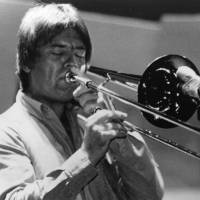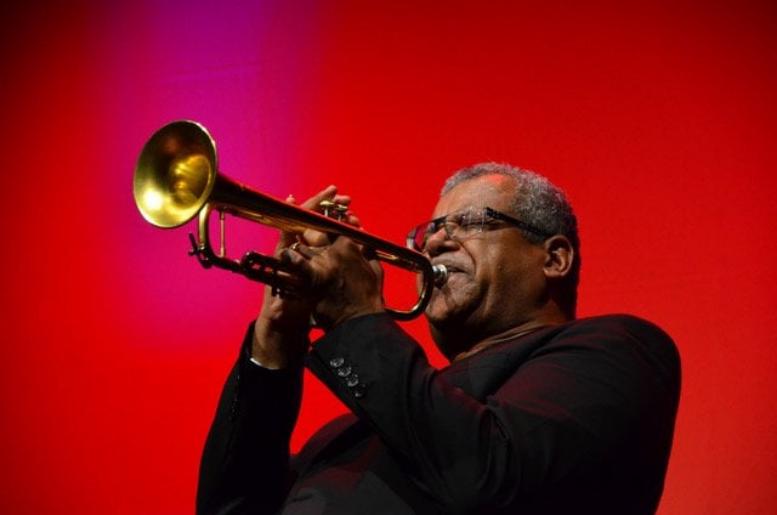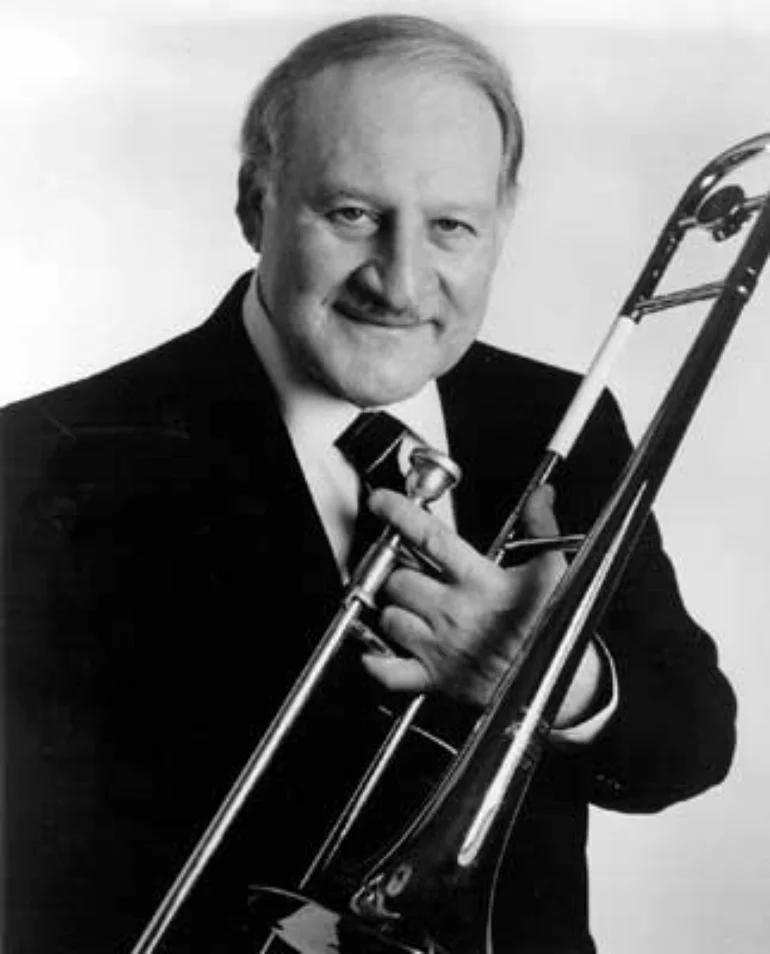
Carl Fontana

Jazz
Bebop
Big band Jazz
 Viberate Rank: 366124
 Viberate Rank: 366124
 Monthly ListenersFollowers
 Subscribers
 Followers
 Followers
 FansTop Spotify Songs
| Track | 7-Day Streams | |
|---|---|---|
1 | 365 | |
2 | 264 | |
3 | 168 | |
4 | 61 | |
5 | 59 |
Top YouTube VideosMonthly ListenersFeatured in Playlists| Playlist | Followers | |
|---|---|---|
1 |  Study Jazz (Shuffle) Chris Bastian | 5.71K |
2 |  Cool Jazz & West Coast Marcelo Hamada | 4.66K |
3 |  Best of jazz trombone Mons Records | 4.29K |
4 | jazz trombone solos Family Mix | 3.76K |
5 |  Trombone Jazz Masters George S Piazza | 2.68K |
Audience| City | Monthly Listeners | |
|---|---|---|
1 | | 29 |
2 | | 27 |
3 | | 24 |
4 | | 23 |
5 |  | 23 |
See full performance history, audience data, playlist activity, rankings, comparisons, and more in Viberate music analytics. Start with a free trial, then continue with a paid plan.
Carl Fontana’s Spotify BioA brilliant trombonist who has spent much of the past 40 years playing commercial music in Las Vegas, Carl Fontana occasionally emerges to remind listeners just how technically skilled he is. The son of a saxophonist, Fontana started out playing in his father's group during 1941-1945, but did not gain prominence until he was with Woody Herman's Orchestra (1952-1953). Fontana spent time in the big bands of Lionel Hampton (1954), Hal McIntyre (1954-1955), and most importantly Stan Kenton (1955-1956), being well-featured with the latter. After playing in Kai Winding's four-trombone band (1956-1957), Fontana moved to Las Vegas but he emerged on an occasional basis, touring with Woody Herman in 1966, recording with Supersax (1973), co-leading a group with Jake Hanna (1975), playing with the World's Greatest Jazz Band, and appearing at jazz parties. In 1995, Fontana recorded a fine album with Bobby Shew. Two years later, Fontana paired up with fellow trombone vet Jiggs Whigham for the bop… workout Nice 'n' Easy. The duo recorded again in 1999 for Keepin' Up With the Boneses. Fontana was diagnosed with Alzheimer's the following year and subsequently stopped recording. He passed away October 10, 2003 at the age of 75. ~ Scott Yanow, Rovi
Viberate is a music analytics platform built for A&Rs, artist managers, labels, booking agents, marketers, and artists.
It helps music professionals track artist growth, analyze audience data, monitor playlist activity, compare artists, follow song performance, and identify opportunities across the music market.
Public artist pages provide a free preview of selected artist data. Paid plans provide access to deeper analytics, historical data, charts, comparisons, playlist tools, exports, alerts, reports, and additional professional features.
Yes. Public Viberate artist pages provide selected artist analytics and music data for free.
Viberate also offers a 7-day free trial of the full platform. A credit card is required to start the trial. The trial includes access to the complete product so users can test deeper artist analytics, historical views, playlist insights, comparisons, charts, exports, alerts, and reporting features before choosing a paid plan.
Viberate provides artist analytics across streaming, playlists, social media, video, radio airplay, songs, and audience markets.
Users can analyze Spotify performance, Spotify and Apple Music playlists, YouTube activity, TikTok and Instagram growth, radio spins, song performance, audience locations, demographics, rankings, and overall artist momentum.
Artist profiles also connect to music charts, similar artists, and comparison tools, helping users benchmark performance and evaluate artists in context.
Viberate updates key artist and track data daily.
For followed artists and tracks, selected data is refreshed multiple times per day. This helps teams monitor playlist changes, streaming movement, audience growth, releases, and campaign performance with more current data.
Update frequency can vary depending on the metric and data source.
Yes. Viberate lets users compare up to five artists side by side across streaming, social media, audience, and engagement metrics.
Users can compare fanbase growth, audience demographics, locations, Spotify performance, social metrics, and other artist data over selected time periods.
Artist comparison can be used for A&R scouting, benchmarking, booking decisions, campaign planning, and evaluating artists with similar audiences or market positions.