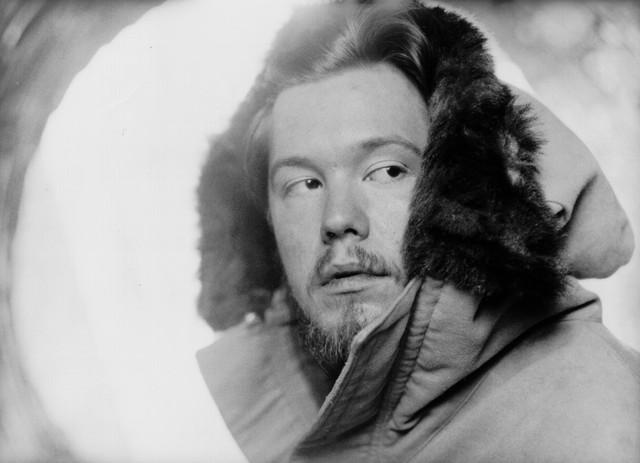
Carina Round

Rock
Alternative Rock
Downtempo
 Viberate Rank: 96902
 Viberate Rank: 96902
 Monthly ListenersFollowers
 Subscribers
 Followers
 Followers
 FansTop Spotify Songs
| Track | 7-Day Streams | |
|---|---|---|
1 | 9.90K | |
2 | 4.05K | |
3 | 2.15K | |
4 | 1.42K | |
5 | 1.08K |
Top YouTube Videos| Video | 7-Day Views | |
|---|---|---|
1 | 751 | |
2 | 570 | |
3 | 144 | |
4 | 45 | |
5 | 35 |
Monthly ListenersFeatured in Playlists| Playlist | Followers | |
|---|---|---|
1 |  Suits Soundtrack [All Seasons] Solitude Collective | 151.56K |
2 |  Witchy Vibes 🔮 dastardlydusty | 92.66K |
3 |  Soundtrack: Suits Gunnar Scott | 61.06K |
4 |  Relaxing Pop Music 2026 Chillout Lounge | 40.41K |
5 | mumble...mumble... | 40.11K |
Audience| City | Monthly Listeners | |
|---|---|---|
1 |  | 667 |
2 |  | 653 |
3 |  | 430 |
4 |  | 404 |
5 | | 398 |
See full performance history, audience data, playlist activity, rankings, comparisons, and more in Viberate music analytics. Start with a free trial, then continue with a paid plan.
Carina Round’s Spotify BioBefore gathering similarities to the likes of PJ Harvey, British singer/songwriter Carina Round got her start with a short stint at Birmingham's famed Ronnie Scott's club in 1996. Within several years, she had gained attention through support billings for Mark Eitzel, David Gray, the Wonder Stuff's Miles Hunt, and most notably Ryan Adams, who later asked her to perform at several of his London shows. Round soon expanded her sound with the additions of drummer Marcus Galley and double bassist Simon Smith, and the trio toured briefly before heading into the studio to record 2001's The First Blood Mystery. Round supported the album with an extensive tour alongside Glenn Tilbrook before returning in 2004 with The Disconnection, which marked her major-label debut for Interscope. 2006's Slow Motion Addict was produced by Glen Ballard and featured a more accessible, electronic-embellished sound, while 2009's Things You Should Know found her working with Gary Go and Vega 4's Johnny McDaid.… Round then spent some time on various projects, including writing and recording with Academy Award-winning composer Marco Beltrami and her other group, the Early Winters, as well as touring with Puscifer (ultimately becoming that band's co-lead vocalist alongside Maynard James Keenan). Brian Eno, Billy Corgan, and Dave Stewart were among her collaborators on 2012's Tigermending. For the next few years, Round continued to work with Puscifer and the Early Winters, resurfacing with the remix collection Tigermixes in 2015 and the solo retrospective Deranged to Divine in 2016. ~ Andy Kellman, Rovi
Viberate is a music analytics platform built for A&Rs, artist managers, labels, booking agents, marketers, and artists.
It helps music professionals track artist growth, analyze audience data, monitor playlist activity, compare artists, follow song performance, and identify opportunities across the music market.
Public artist pages provide a free preview of selected artist data. Paid plans provide access to deeper analytics, historical data, charts, comparisons, playlist tools, exports, alerts, reports, and additional professional features.
Yes. Public Viberate artist pages provide selected artist analytics and music data for free.
Viberate also offers a 7-day free trial of the full platform. A credit card is required to start the trial. The trial includes access to the complete product so users can test deeper artist analytics, historical views, playlist insights, comparisons, charts, exports, alerts, and reporting features before choosing a paid plan.
Viberate provides artist analytics across streaming, playlists, social media, video, radio airplay, songs, and audience markets.
Users can analyze Spotify performance, Spotify and Apple Music playlists, YouTube activity, TikTok and Instagram growth, radio spins, song performance, audience locations, demographics, rankings, and overall artist momentum.
Artist profiles also connect to music charts, similar artists, and comparison tools, helping users benchmark performance and evaluate artists in context.
Viberate updates key artist and track data daily.
For followed artists and tracks, selected data is refreshed multiple times per day. This helps teams monitor playlist changes, streaming movement, audience growth, releases, and campaign performance with more current data.
Update frequency can vary depending on the metric and data source.
Yes. Viberate lets users compare up to five artists side by side across streaming, social media, audience, and engagement metrics.
Users can compare fanbase growth, audience demographics, locations, Spotify performance, social metrics, and other artist data over selected time periods.
Artist comparison can be used for A&R scouting, benchmarking, booking decisions, campaign planning, and evaluating artists with similar audiences or market positions.