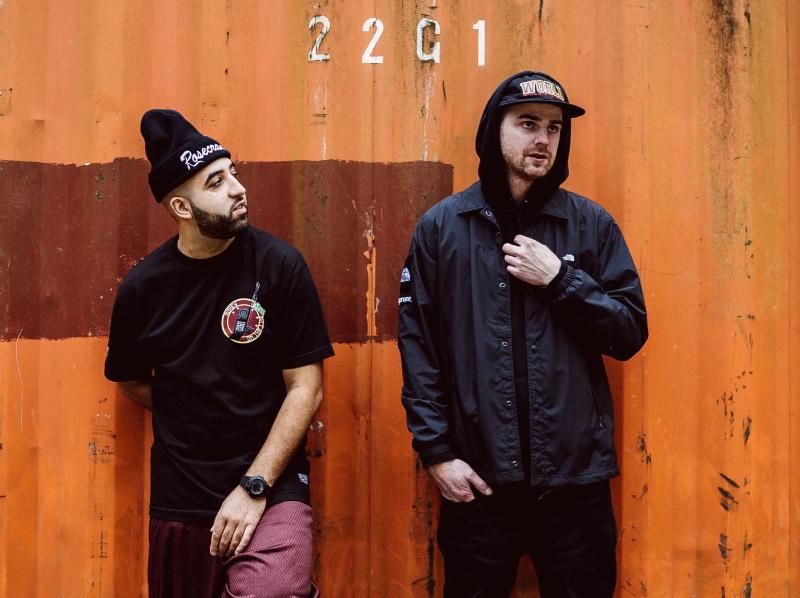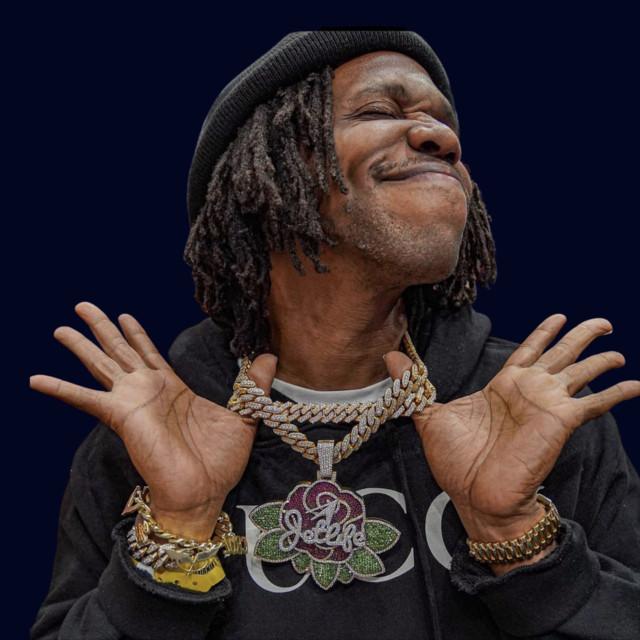
Cardo

Hip Hop
Contemporary Hip Hop
 Viberate Rank: 51877
 Viberate Rank: 51877
 Monthly ListenersFollowers
 Subscribers
 Followers
 Followers
 FansTop Spotify Songs
| Track | 7-Day Streams | |
|---|---|---|
1 | 63.37K | |
2 | 40.57K | |
3 | 31.68K | |
4 | 28.36K | |
5 | 28.01K |
Top YouTube VideosMonthly ListenersFeatured in Playlists| Playlist | Followers | |
|---|---|---|
1 |  Hip-Hop and Play PlayStation®️ | 224.73K |
2 | ELETRONICAS 2026 ⚡ Oblivious | 126.10K |
3 | Ignatious Pop 1 | 119.52K |
4 | how to: make a child David Welch | 70.45K |
5 |  This Is ScHoolboy Q Spotify | 61.14K |
Audience| City | Monthly Listeners | |
|---|---|---|
1 | | 24.63K |
2 | | 12.73K |
3 | | 11.17K |
4 | | 10.24K |
5 | | 9.92K |
See full performance history, audience data, playlist activity, rankings, comparisons, and more in Viberate music analytics. Start with a free trial, then continue with a paid plan.
Cardo’s Spotify BioDiamond-certified, Grammy-winning production savant Cardo (or Cardo Got Wings) has so many hit records under his belt that he can barely name them all.
• Cardo began making beats in his teens after his father gave him and his brother the video game MTV Music Generator. The two would sell their beats to their neighbors.
• In 2010, Cardo began producing for Pittsburgh rappers Chevy Woods, Wiz Khalifa, and Mac Miller. Later that year, he landed two placements on Wiz's breakout mixtape Kush &
Orange Juice.
• In an impressive 2016, the beatmaker produced ScHoolboy Q's double-platinum "THat Part" and Travis Scott's quintuple-platinum "goosebumps."
• The following year, Cardo teamed up with L.A. rappers G Perico and Jay Worthy to form G-Worthy and release an eponymous debut EP through Fool's Gold Records.
• Cardo produced Kendrick Lamar's "Big Shot" for the 2018 blockbuster Black Panther: The Album. That same year, he earned a coproducer credit on Drake's diamond-certified summer anthem "God's… Plan," which won a Grammy for Best Rap Song. The song is built on a Cardo instrumental.
• In 2020, Cardo and Drake reunited for "Laugh Now Cry Later," which reached No. 2 on the Billboard Hot 100.
Viberate is a music analytics platform built for A&Rs, artist managers, labels, booking agents, marketers, and artists.
It helps music professionals track artist growth, analyze audience data, monitor playlist activity, compare artists, follow song performance, and identify opportunities across the music market.
Public artist pages provide a free preview of selected artist data. Paid plans provide access to deeper analytics, historical data, charts, comparisons, playlist tools, exports, alerts, reports, and additional professional features.
Yes. Public Viberate artist pages provide selected artist analytics and music data for free.
Viberate also offers a 7-day free trial of the full platform. A credit card is required to start the trial. The trial includes access to the complete product so users can test deeper artist analytics, historical views, playlist insights, comparisons, charts, exports, alerts, and reporting features before choosing a paid plan.
Viberate provides artist analytics across streaming, playlists, social media, video, radio airplay, songs, and audience markets.
Users can analyze Spotify performance, Spotify and Apple Music playlists, YouTube activity, TikTok and Instagram growth, radio spins, song performance, audience locations, demographics, rankings, and overall artist momentum.
Artist profiles also connect to music charts, similar artists, and comparison tools, helping users benchmark performance and evaluate artists in context.
Viberate updates key artist and track data daily.
For followed artists and tracks, selected data is refreshed multiple times per day. This helps teams monitor playlist changes, streaming movement, audience growth, releases, and campaign performance with more current data.
Update frequency can vary depending on the metric and data source.
Yes. Viberate lets users compare up to five artists side by side across streaming, social media, audience, and engagement metrics.
Users can compare fanbase growth, audience demographics, locations, Spotify performance, social metrics, and other artist data over selected time periods.
Artist comparison can be used for A&R scouting, benchmarking, booking decisions, campaign planning, and evaluating artists with similar audiences or market positions.