Carbon Memory

Rock
Alternative Rock
Shoegaze
 Viberate Rank: 702336
 Viberate Rank: 702336
 Monthly ListenersFollowers
 Subscribers
 Followers
 Followers
 FansTop YouTube VideosMonthly ListenersFeatured in Playlists
| Playlist | Followers | |
|---|---|---|
1 |  DKFM shoegaze radio owmybrain | 1.43K |
Audience| City | Monthly Listeners | |
|---|---|---|
1 | | 3 |
2 |  | 3 |
See full performance history, audience data, playlist activity, rankings, comparisons, and more in Viberate music analytics. Start with a free trial, then continue with a paid plan.
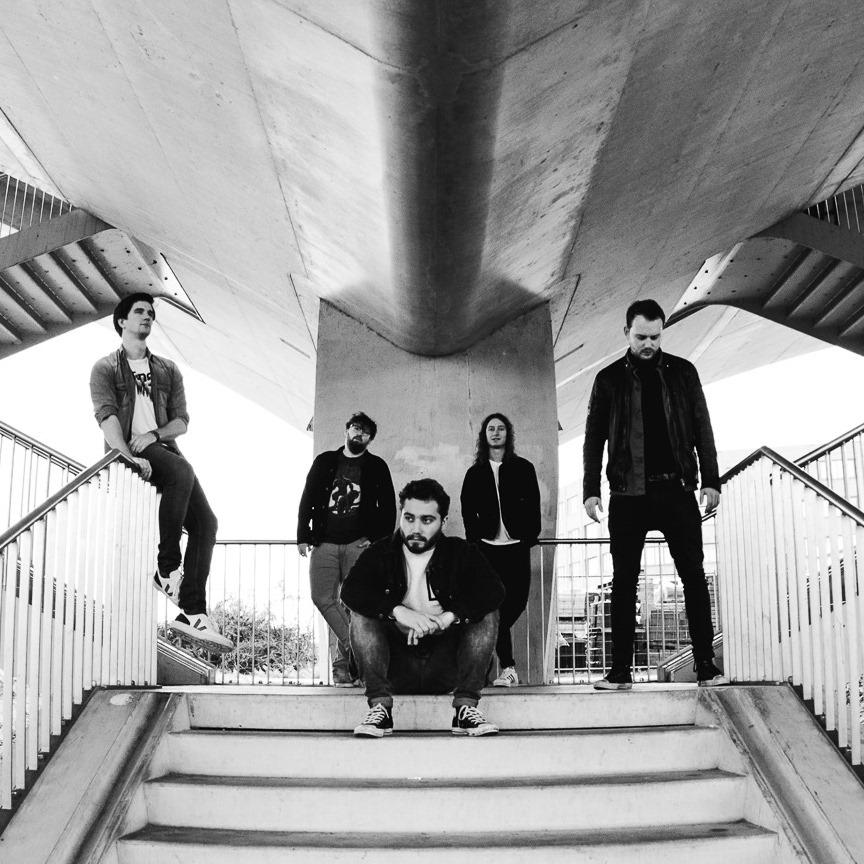
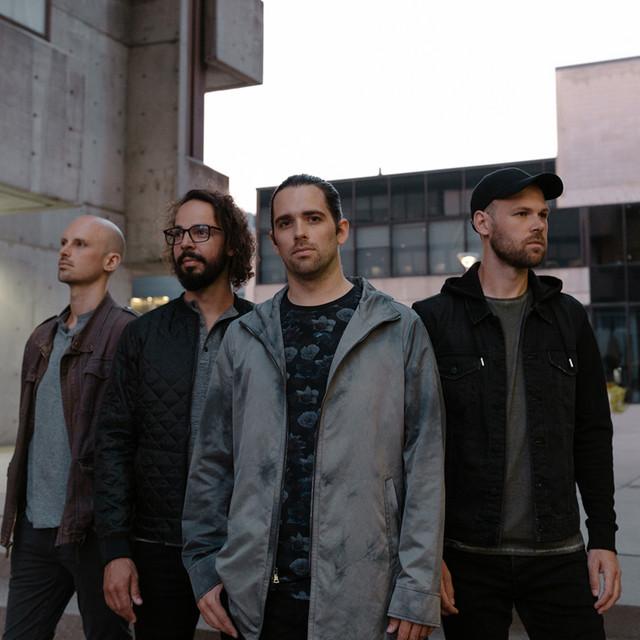
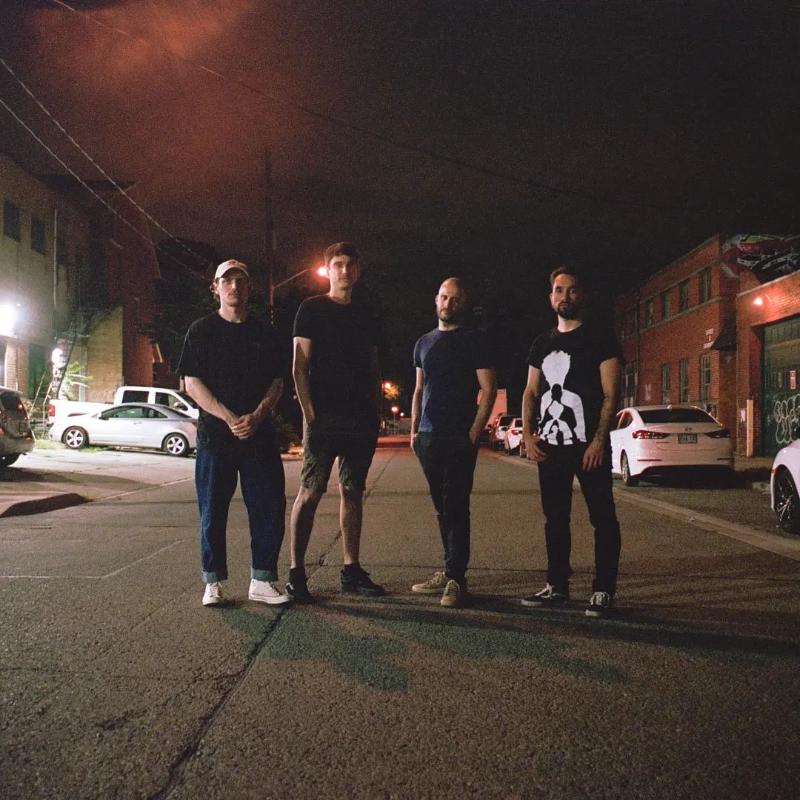
Carbon Memory’s Spotify BioCarbon Memory is an indie alternative rock band that develops sonic snapshots that are both transporting and cinematic. The Toronto band cues magnetic guitars and contemplative lyrics to a reel of ambient textures that oscillate between a sense of nostalgia and optimism.
It is in this spirit that the band came upon the sound and title of their upcoming EP, Tourist. Following the arduous process of self-producing/recording their 2018 debut EP, Panoramas, the band decided to enlist the help of Toronto producer Graham Walsh (Holy Fu*k, Alvvays, METZ) to best capture and instigate sonic experimentation on the group’s latest material.
Tourist was recorded over a period of two weeks, late summer 2020, at Toronto’s Palace Sound and Candle Recording studios. The EP features the band’s most compact and direct work yet. From the hazy, ethereal shoegaze textures and krautrock inspired “Distance” to the smug and insidious piano driven crooner “Rumours” that burns slow but heavy; Tourist gives the… listener an idea of where the band has been and hints of where they want to go next. “The Only One” borrows plenty from the British Alternative rock aesthetic with a wall of guitars, a pulsing piano and soaring catchy choruses. “Closure” is the band’s midnight summer synth funk jam, while the brooding track “Tonight” plays out a recurring dream suspended by angular rhythms, wiry guitars and haunting melodies. Carbon Memory is Demian Abal, Dennis Neves, Felipe Requena and Sergio Bringas.
Viberate is a music analytics platform built for A&Rs, artist managers, labels, booking agents, marketers, and artists.
It helps music professionals track artist growth, analyze audience data, monitor playlist activity, compare artists, follow song performance, and identify opportunities across the music market.
Public artist pages provide a free preview of selected artist data. Paid plans provide access to deeper analytics, historical data, charts, comparisons, playlist tools, exports, alerts, reports, and additional professional features.
Yes. Public Viberate artist pages provide selected artist analytics and music data for free.
Viberate also offers a 7-day free trial of the full platform. A credit card is required to start the trial. The trial includes access to the complete product so users can test deeper artist analytics, historical views, playlist insights, comparisons, charts, exports, alerts, and reporting features before choosing a paid plan.
Viberate provides artist analytics across streaming, playlists, social media, video, radio airplay, songs, and audience markets.
Users can analyze Spotify performance, Spotify and Apple Music playlists, YouTube activity, TikTok and Instagram growth, radio spins, song performance, audience locations, demographics, rankings, and overall artist momentum.
Artist profiles also connect to music charts, similar artists, and comparison tools, helping users benchmark performance and evaluate artists in context.
Viberate updates key artist and track data daily.
For followed artists and tracks, selected data is refreshed multiple times per day. This helps teams monitor playlist changes, streaming movement, audience growth, releases, and campaign performance with more current data.
Update frequency can vary depending on the metric and data source.
Yes. Viberate lets users compare up to five artists side by side across streaming, social media, audience, and engagement metrics.
Users can compare fanbase growth, audience demographics, locations, Spotify performance, social metrics, and other artist data over selected time periods.
Artist comparison can be used for A&R scouting, benchmarking, booking decisions, campaign planning, and evaluating artists with similar audiences or market positions.