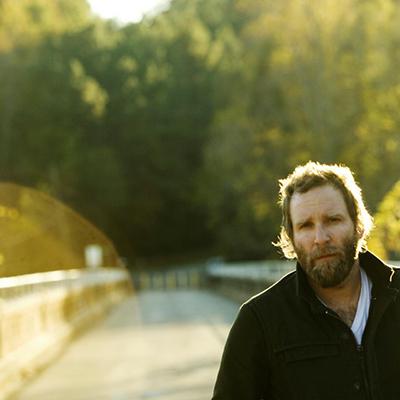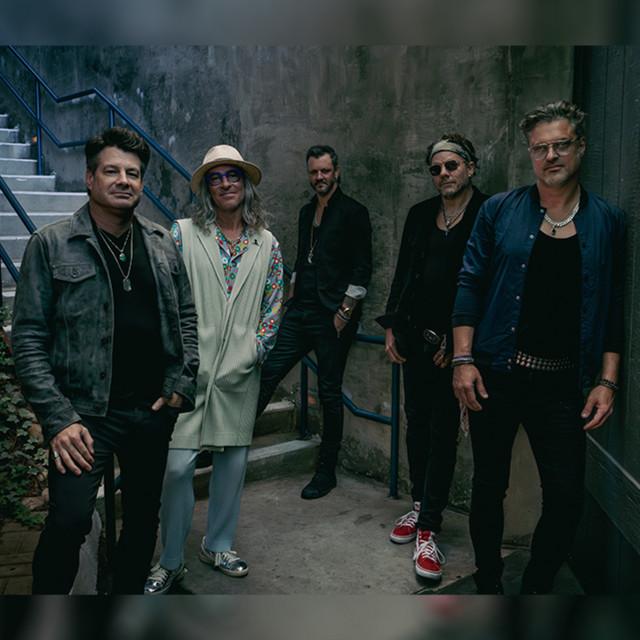
Candlebox

Rock
Alternative Rock
 Viberate Rank: 7708
 Viberate Rank: 7708
 Monthly ListenersFollowers
 Subscribers
 Followers
 Followers
 FansTop Spotify Songs
| Track | 7-Day Streams | |
|---|---|---|
1 | 1.41M | |
2 | 272.26K | |
3 | 109.06K | |
4 | 57.58K | |
5 | 54.41K |
Top YouTube Videos| Video | 7-Day Views | |
|---|---|---|
1 | 124.00K | |
2 | 90.12K | |
3 | 18.16K | |
4 | 12.09K | |
5 | 11.73K |
Monthly ListenersFeatured in Playlists| Playlist | Followers | |
|---|---|---|
1 |  90s Rock Anthems Spotify | 6.78M |
2 |  90s Acoustic Spotify | 2.45M |
3 |  Grunge Forever Spotify | 1.78M |
4 | Best '90s Alternative Playlist Ever jasonrb | 795.03K |
5 |  Post-Grunge Society Spotify | 626.62K |
Audience| City | Monthly Listeners | |
|---|---|---|
1 | | 58.82K |
2 | | 55.69K |
3 |  | 46.76K |
4 | | 46.01K |
5 | | 42.98K |
See full performance history, audience data, playlist activity, rankings, comparisons, and more in Viberate music analytics. Start with a free trial, then continue with a paid plan.
Candlebox’s Spotify BioSeattle's Candlebox emerged just as the early-'90s grunge scene was winding down. The band's take on the genre diluted the punk and indie elements inherent in its original form and was more rooted in the bluesy, classic-style hard rock that grunge had ostensibly replaced. They found mainstream success in 1993 with the release of their eponymous debut album, which was certified quadruple platinum and included the hit singles "You" and "Far Behind." The band issued two more records before ceasing operations in 2000 but re-formed six years later. Since then, Candlebox has remained both active and prolific, releasing well-received efforts like Into the Sun (2008), Disappearing in Airports (2016), and Wolves (2021) that show how the more challenging aspects of grunge can be ironed out and polished into a sound that mainstream rock radio can embrace without reservation. The group said farewell with their 2023 album The Long Goodbye.
Candlebox were formed in Seattle in 1990 by singer/guitarist… Kevin Martin, a native of Elgin, Illinois who'd grown up partly in San Antonio, and drummer Scott Mercado. Initially calling the band Uncle Duke, they added lead guitarist Peter Klett and bassist Bardi Martin (no relation to Kevin) and changed the group's name to Candlebox, after a line in a Midnight Oil song. Their demo tape found its way to Madonna's Maverick label, which quickly resulted in a record deal in 1992. Candlebox's self-titled debut was released in 1993, and while the first single, "Change," began to build them a following, it wasn't until 1994, when the follow-up, "You," appeared, that Candlebox really started to take off. "You" gave them a breakthrough hit on mainstream rock radio, which set the stage for the success of "Far Behind," essentially a power ballad for the grunge era. "Far Behind" was a major hit on both mainstream and alternative radio, and made the pop Top 20; its exposure helped Candlebox climb into the Top Ten on the LP chart and eventually sell over three-million copies.
By the time Candlebox returned with their second album, 1995's Lucy, the backlash was already in full swing. Partly because of the group's previous momentum, the lead single, "Simple Lessons," earned some rock radio airplay, and the album itself went gold and barely missed the Top Ten. However, it was largely ignored or dismissed by much of the mainstream media, and was ultimately hurt by a relative lack of memorable songs. In 1997, founding member Mercado left the band and was replaced by original Pearl Jam drummer Dave Krusen. Candlebox's third album, Happy Pills, appeared in 1998 and marked a return to the more basic sound of their debut. "It's Alright," "10,000 Horses," and the title cut all landed some airplay, but the album sold poorly; by this time, countless bands were working in a similar style, and Candlebox's early momentum had long since dissipated. Krusen departed in 1999, as did Bardi Martin; they were replaced by Shannon Larkin (ex-Ugly Kid Joe) and Rob Redick, respectively, but the group disbanded the following year. The original lineup of Martin, Klett, and Mercado re-formed for a handful of shows in 2006 to support the release of Rhino's Best of Candlebox compilation. The overall positive reunion stirred rumors of a new studio album, culminating in 2008's Into the Sun. In 2012, the band inked a deal with AudiNext/Fontana, which released their fifth studio album, Love Stories and Other Musings. In 2015, Peter Klett and Scott Mercado announced they were leaving Candlebox to devote more time to their other project, Lotus Crush. A few months later, Kevin Martin and Dave Krusen unveiled a new edition of the band, featuring new guitarists Mike Leslie and Brian Quinn, and bassist Adam Kury. Disappearing in Airports, the band's first outing for Pavement Music, was released the following year. In 2018 the original lineup reconvened for a pair of shows celebrating the 25th anniversary of their debut album, and in 2021 the band unveiled their seventh full-length effort, Wolves.
After releasing the single "This Time Tomorrow" in 2022, Candlebox issued Live at the Neptune Theatre early in 2023, setting the stage for their final album, the aptly titled The Long Goodbye. ~ Steve Huey & James Christopher Monger, Rovi
Viberate is a music analytics platform built for A&Rs, artist managers, labels, booking agents, marketers, and artists.
It helps music professionals track artist growth, analyze audience data, monitor playlist activity, compare artists, follow song performance, and identify opportunities across the music market.
Public artist pages provide a free preview of selected artist data. Paid plans provide access to deeper analytics, historical data, charts, comparisons, playlist tools, exports, alerts, reports, and additional professional features.
Yes. Public Viberate artist pages provide selected artist analytics and music data for free.
Viberate also offers a 7-day free trial of the full platform. A credit card is required to start the trial. The trial includes access to the complete product so users can test deeper artist analytics, historical views, playlist insights, comparisons, charts, exports, alerts, and reporting features before choosing a paid plan.
Viberate provides artist analytics across streaming, playlists, social media, video, radio airplay, songs, and audience markets.
Users can analyze Spotify performance, Spotify and Apple Music playlists, YouTube activity, TikTok and Instagram growth, radio spins, song performance, audience locations, demographics, rankings, and overall artist momentum.
Artist profiles also connect to music charts, similar artists, and comparison tools, helping users benchmark performance and evaluate artists in context.
Viberate updates key artist and track data daily.
For followed artists and tracks, selected data is refreshed multiple times per day. This helps teams monitor playlist changes, streaming movement, audience growth, releases, and campaign performance with more current data.
Update frequency can vary depending on the metric and data source.
Yes. Viberate lets users compare up to five artists side by side across streaming, social media, audience, and engagement metrics.
Users can compare fanbase growth, audience demographics, locations, Spotify performance, social metrics, and other artist data over selected time periods.
Artist comparison can be used for A&R scouting, benchmarking, booking decisions, campaign planning, and evaluating artists with similar audiences or market positions.