Camargo Guarnieri

Classical
Orchestral
 Viberate Rank: 435221
 Viberate Rank: 435221
 Monthly ListenersFollowers
 Subscribers
 Followers
 Followers
 FansTop Spotify Songs
| Track | 7-Day Streams | |
|---|---|---|
1 | 460 | |
2 | 416 | |
3 | 304 | |
4 | 216 | |
5 | 128 |
Top YouTube VideosMonthly ListenersFeatured in Playlists| Playlist | Followers | |
|---|---|---|
1 |  The Sound of Everything The Sounds of Spotify | 53.82K |
2 |  NPR Classical NPR Music | 14.43K |
3 |  A Maior Playlist de Música Brasileira do Mundo Petrobras | 9.01K |
4 |  Neo Classicals Alen Golpashin | 7.79K |
5 |  Gustavo Dudamel - Best of Deutsche Grammophon (DG) | 6.86K |
Audience| City | Monthly Listeners | |
|---|---|---|
1 | | 585 |
2 | | 209 |
3 | | 142 |
4 | | 107 |
5 | | 81 |
See full performance history, audience data, playlist activity, rankings, comparisons, and more in Viberate music analytics. Start with a free trial, then continue with a paid plan.
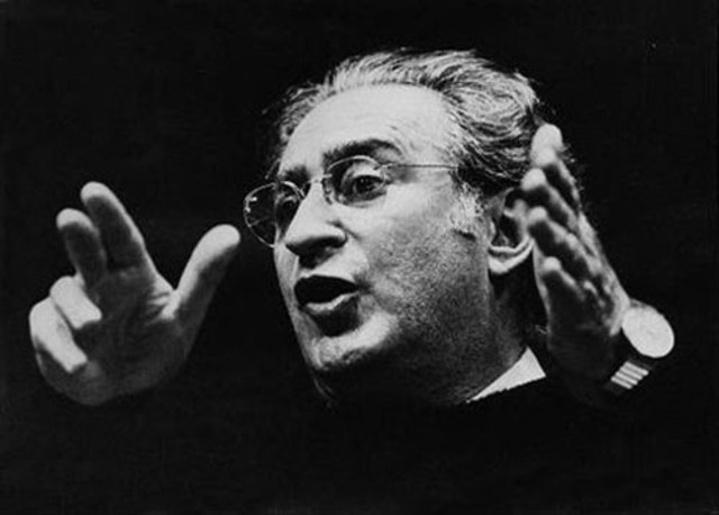
Camargo Guarnieri’s Spotify BioCamargo Guarnieri was a Brazilian composer and conductor from the 20th century. He was one of the most important composers from Brazil, and his extensive worklist contains several concertos, six symphonies, and over 200 songs.
He was born in Tietê, São Paulo in 1907, and he started studying music when he was ten years old. His father was a Sicilian immigrant who loved classical music and named each of his children after great composers. At birth, Guarnieri's first name was Mozart, but he later decided that it was too pretentious of a name for a musician and started to use his middle name, Camargo. His brothers' first names were Verdi, Bellini, and Rossine [sic]. As a teenager, Guarnieri took piano lessons from Ernani Braga and Antonio de Sá Pereira, and he studied composition with Lamberto Baldi at the São Paulo Musical and Theater Conservatory. He also performed in cafés and silent movie theaters to help support his family. In 1927, he became employed by the conservatory to teach… piano, and in the following year, he composed the popular piano pieces Canção sertaneja and Dansa brasileira. He produced several works in the 1930s, including songs, chamber and orchestral works, and an opera. Guarnieri became the conductor of the Coral Paulistano in 1936, and in 1938, he received a fellowship from the Council of Artistic Orientation that allowed for him to continue his education in Paris. There, he studied conducting with Franz Ruhlmann, composition with Charles Koechlin, and he also received some instruction from Nadia Boulanger.
The outbreak of World War II curtailed his time in France, and he returned to Brazil with a renewed sense of inspiration. He composed his Violin Concerto No. 1 in 1942, which was the first of many large-scale works. Other important pieces from this period include two symphonies, Piano Concerto No. 2, and String Quartet No. 2. In the mid-1940s he travelled to the United States to conduct his works with the Boston Symphony Orchestra, and he was appointed conductor of the São Paulo Symphony Orchestra. He stayed very active as a composer through the 1950s, and in 1960, he was appointed director of the São Paulo Conservatory. He also started teaching composition at the Santos Conservatory in 1964, and some of his more prominent students included Osvaldo Lacerda, Almeida Prado, and Aylton Escobar. He founded the University of São Paulo String Orchestra in 1976 and served as the director until 1992. Guarnieri died in São Paulo in 1993 at 85 years old. ~ RJ Lambert, Rovi
Viberate is a music analytics platform built for A&Rs, artist managers, labels, booking agents, marketers, and artists.
It helps music professionals track artist growth, analyze audience data, monitor playlist activity, compare artists, follow song performance, and identify opportunities across the music market.
Public artist pages provide a free preview of selected artist data. Paid plans provide access to deeper analytics, historical data, charts, comparisons, playlist tools, exports, alerts, reports, and additional professional features.
Yes. Public Viberate artist pages provide selected artist analytics and music data for free.
Viberate also offers a 7-day free trial of the full platform. A credit card is required to start the trial. The trial includes access to the complete product so users can test deeper artist analytics, historical views, playlist insights, comparisons, charts, exports, alerts, and reporting features before choosing a paid plan.
Viberate provides artist analytics across streaming, playlists, social media, video, radio airplay, songs, and audience markets.
Users can analyze Spotify performance, Spotify and Apple Music playlists, YouTube activity, TikTok and Instagram growth, radio spins, song performance, audience locations, demographics, rankings, and overall artist momentum.
Artist profiles also connect to music charts, similar artists, and comparison tools, helping users benchmark performance and evaluate artists in context.
Viberate updates key artist and track data daily.
For followed artists and tracks, selected data is refreshed multiple times per day. This helps teams monitor playlist changes, streaming movement, audience growth, releases, and campaign performance with more current data.
Update frequency can vary depending on the metric and data source.
Yes. Viberate lets users compare up to five artists side by side across streaming, social media, audience, and engagement metrics.
Users can compare fanbase growth, audience demographics, locations, Spotify performance, social metrics, and other artist data over selected time periods.
Artist comparison can be used for A&R scouting, benchmarking, booking decisions, campaign planning, and evaluating artists with similar audiences or market positions.