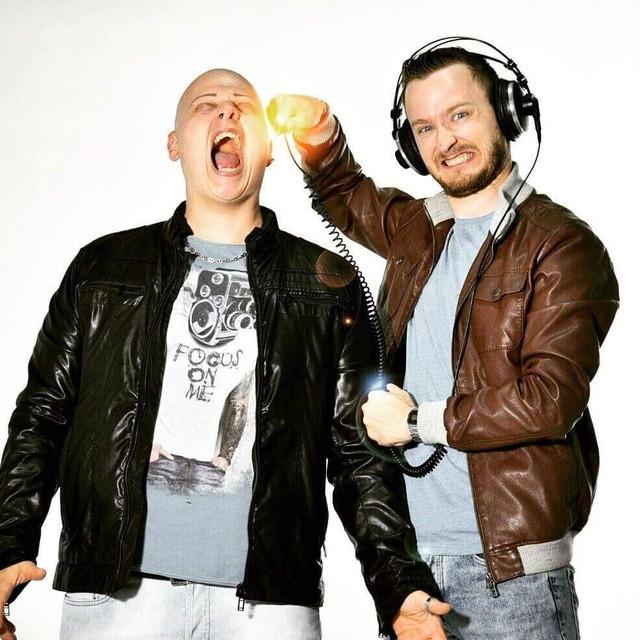
Cally

Electronic
Dance
Hardstyle/Hardcore
 Viberate Rank: 241012
 Viberate Rank: 241012
 Monthly ListenersFollowers
 Subscribers
 Followers
 Followers
 FansTop Spotify Songs
| Track | 7-Day Streams | |
|---|---|---|
1 | 663 | |
2 | 249 | |
3 | 240 | |
4 | 136 | |
5 | 74 |
Top YouTube VideosMonthly ListenersFeatured in Playlists| Playlist | Followers | |
|---|---|---|
1 |  Euphoric Hardstyle Jonathan Stockhaus | 25.82K |
2 |  TECHNO RAVE impulse | 18.04K |
3 |  Reverse Bass Hardstyle 2026 Re-1st | 10.35K |
4 | Happy hardcore This is Patrick | 7.79K |
5 |  HARD PSY TRANCE CHLÖ | 7.58K |
Audience| City | Monthly Listeners | |
|---|---|---|
1 |  | 182 |
2 | | 145 |
3 |  | 121 |
4 | | 114 |
5 |  | 110 |
See full performance history, audience data, playlist activity, rankings, comparisons, and more in Viberate music analytics. Start with a free trial, then continue with a paid plan.
Cally’s Spotify BioCally has long been one of the defining figures in UK hard dance. As half of the pioneering duo Cally & Juice, he helped introduce European hard trance and early hardstyle to British audiences, landing one of Nukleuz’s biggest-selling singles with “All You Bastards”. The duo’s performances with MC Shocker took them to major festivals and clubs worldwide including Creamfields, Defqon.1, Q-Base and Dance Valley, alongside dozens of releases across leading hard dance labels.
When Cally & Juice played their final set in 2014, Cally continued solo, releasing hardstyle and hard trance productions while building a reputation as a versatile producer and engineer. Beyond his own music, he co-owned the multi-award-winning Bionic events, widely regarded as the UK’s most successful hard dance brand and three-time winner of the Hard Dance Awards’ “Best Event”. He also launched the HDUK brand, which built a loyal following and hosted arenas at events like Westfest and Ravers Reunited.
After spending… the last two years focusing on production and engineering, Cally has returned to releasing music under his own name. With new music on the horizon and continued support from his peers, he is reaffirming his place at the forefront of UK hard dance. Signed to Twisted Artists, he remains committed to championing the sound he helped build and inspiring the next generation of harder styles artists.
Viberate is a music analytics platform built for A&Rs, artist managers, labels, booking agents, marketers, and artists.
It helps music professionals track artist growth, analyze audience data, monitor playlist activity, compare artists, follow song performance, and identify opportunities across the music market.
Public artist pages provide a free preview of selected artist data. Paid plans provide access to deeper analytics, historical data, charts, comparisons, playlist tools, exports, alerts, reports, and additional professional features.
Yes. Public Viberate artist pages provide selected artist analytics and music data for free.
Viberate also offers a 7-day free trial of the full platform. A credit card is required to start the trial. The trial includes access to the complete product so users can test deeper artist analytics, historical views, playlist insights, comparisons, charts, exports, alerts, and reporting features before choosing a paid plan.
Viberate provides artist analytics across streaming, playlists, social media, video, radio airplay, songs, and audience markets.
Users can analyze Spotify performance, Spotify and Apple Music playlists, YouTube activity, TikTok and Instagram growth, radio spins, song performance, audience locations, demographics, rankings, and overall artist momentum.
Artist profiles also connect to music charts, similar artists, and comparison tools, helping users benchmark performance and evaluate artists in context.
Viberate updates key artist and track data daily.
For followed artists and tracks, selected data is refreshed multiple times per day. This helps teams monitor playlist changes, streaming movement, audience growth, releases, and campaign performance with more current data.
Update frequency can vary depending on the metric and data source.
Yes. Viberate lets users compare up to five artists side by side across streaming, social media, audience, and engagement metrics.
Users can compare fanbase growth, audience demographics, locations, Spotify performance, social metrics, and other artist data over selected time periods.
Artist comparison can be used for A&R scouting, benchmarking, booking decisions, campaign planning, and evaluating artists with similar audiences or market positions.