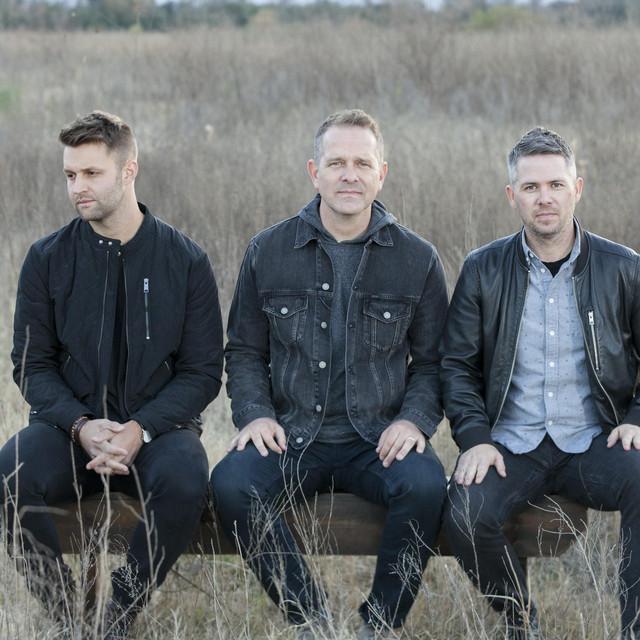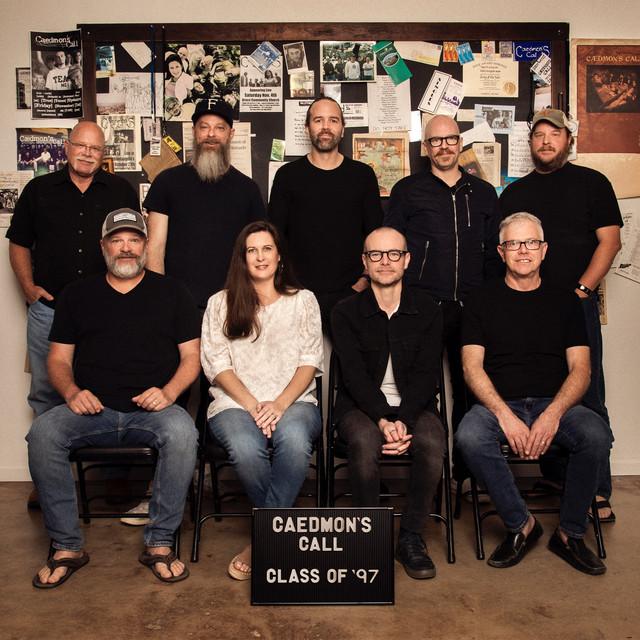
Caedmon's Call

Religious
Christian Music
Alternative Rock
Folk Rock
 Viberate Rank: 107742
 Viberate Rank: 107742
 Monthly ListenersFollowers
 Subscribers
 Followers
 Followers
 FansTop Spotify Songs
| Track | 7-Day Streams | |
|---|---|---|
1 | 3.83K | |
2 | 3.67K | |
3 | 2.50K | |
4 | 2.01K | |
5 | 2.01K |
Top YouTube VideosMonthly ListenersFeatured in Playlists| Playlist | Followers | |
|---|---|---|
1 |  Greatest. Covers. Ever. Beth | 29.25K |
2 |  Christian Hits of the 2000's Freeccm Playlists | 22.93K |
3 | Dear Heart peys | 15.87K |
4 | 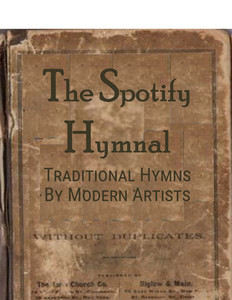 Hymns: 3,000 Traditional Hymns by Modern Artists brucekonold | 15.52K |
5 |  WOW Hits 1996-2019 Michael Hall | 14.23K |
Audience| City | Monthly Listeners | |
|---|---|---|
1 | | 1.01K |
2 | | 803 |
3 | | 738 |
4 | | 698 |
5 | | 656 |
See full performance history, audience data, playlist activity, rankings, comparisons, and more in Viberate music analytics. Start with a free trial, then continue with a paid plan.
Caedmon's Call’s Spotify BioCCM band Caedmon's Call fuse folk-rock with adult alternative rock influences. Cliff Young (vocals, rhythm guitar), Derek Webb (lead guitar, vocals), Danielle Glenn (vocals), Aric Nitzberg (bass), Todd Bragg (drums), Randy Holsapple (organ), and Garett Buell (percussion) formed the Houston, Texas-based band at Texas Christian University in the summer of 1992. The group originally included Aaron Tate, who left the band shortly after its formation, but he continued to write songs with Young. After spending some time playing locally, Caedmon's Call began touring college campuses across the South, steadily building up a dedicated following of young Gen-X singles.
Caedmon's Call self-released their first album in June of 1994. In August of 1995, they released their second record. Both independently released albums sold over 10,000 copies apiece, and were distributed in Canada and the U.K. as well as America. The two albums, plus their live shows, led Musician magazine to call Caedmon's Call… one of the best unsigned bands in America. Such grassroots success attracted the attention of Warner Bros., which signed Caedmon's Call in 1996 and released their major-label debut, the Don McCollister-produced Caedmon's Call, in the spring of 1997. Long Line of Leavers was issued three years later, and despite a good reaction from their fan base, it signaled to the bandmembers that they desired more control over their sound.
The next year, In the Company of Angels: A Call to Worship was recorded by the band, and its success in the Christian market led to their highest sales yet. When the album was nominated for several Dove Awards, Caedmon's Call decided to continue to produce their own material and recorded Back Home in 2002. The following spring Back Home was released -- after which founding member Derek Webb departed the group to pursue a solo career -- and the band hit the road with Jars of Clay to promote the album. In 2004 the anthology Chronicles 1992-2004 arrived, as well as a new collection of songs called Share the Well. In the Company of Angels II: The World Will Sing was issued in March of 2006. The group's eighth and ninth studio albums, Overdressed (2007) and Raising Up the Dead (2010), found Caedmon's Call collaborating with former bandmember Webb. ~ Stephen Thomas Erlewine, Rovi
Viberate is a music analytics platform built for A&Rs, artist managers, labels, booking agents, marketers, and artists.
It helps music professionals track artist growth, analyze audience data, monitor playlist activity, compare artists, follow song performance, and identify opportunities across the music market.
Public artist pages provide a free preview of selected artist data. Paid plans provide access to deeper analytics, historical data, charts, comparisons, playlist tools, exports, alerts, reports, and additional professional features.
Yes. Public Viberate artist pages provide selected artist analytics and music data for free.
Viberate also offers a 7-day free trial of the full platform. A credit card is required to start the trial. The trial includes access to the complete product so users can test deeper artist analytics, historical views, playlist insights, comparisons, charts, exports, alerts, and reporting features before choosing a paid plan.
Viberate provides artist analytics across streaming, playlists, social media, video, radio airplay, songs, and audience markets.
Users can analyze Spotify performance, Spotify and Apple Music playlists, YouTube activity, TikTok and Instagram growth, radio spins, song performance, audience locations, demographics, rankings, and overall artist momentum.
Artist profiles also connect to music charts, similar artists, and comparison tools, helping users benchmark performance and evaluate artists in context.
Viberate updates key artist and track data daily.
For followed artists and tracks, selected data is refreshed multiple times per day. This helps teams monitor playlist changes, streaming movement, audience growth, releases, and campaign performance with more current data.
Update frequency can vary depending on the metric and data source.
Yes. Viberate lets users compare up to five artists side by side across streaming, social media, audience, and engagement metrics.
Users can compare fanbase growth, audience demographics, locations, Spotify performance, social metrics, and other artist data over selected time periods.
Artist comparison can be used for A&R scouting, benchmarking, booking decisions, campaign planning, and evaluating artists with similar audiences or market positions.