Cactus Truck

Jazz
Smooth Jazz
Free Jazz
 Viberate Rank: 869763
 Viberate Rank: 869763
 Monthly ListenersFollowers
 Subscribers
 Followers
 Followers
 Fans
See full performance history, audience data, playlist activity, rankings, comparisons, and more in Viberate music analytics. Start with a free trial, then continue with a paid plan.
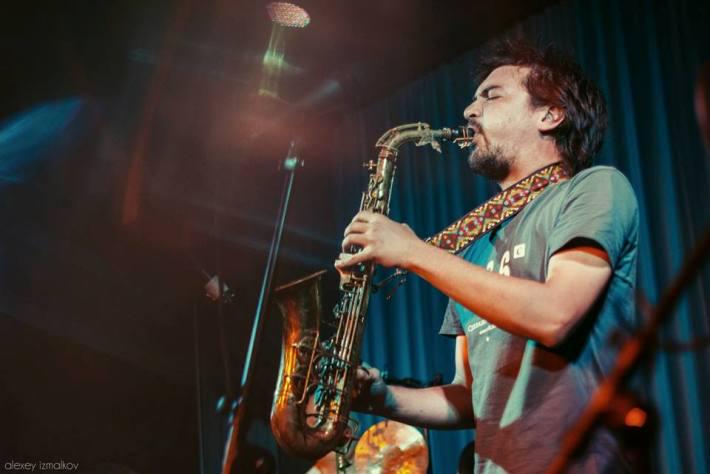
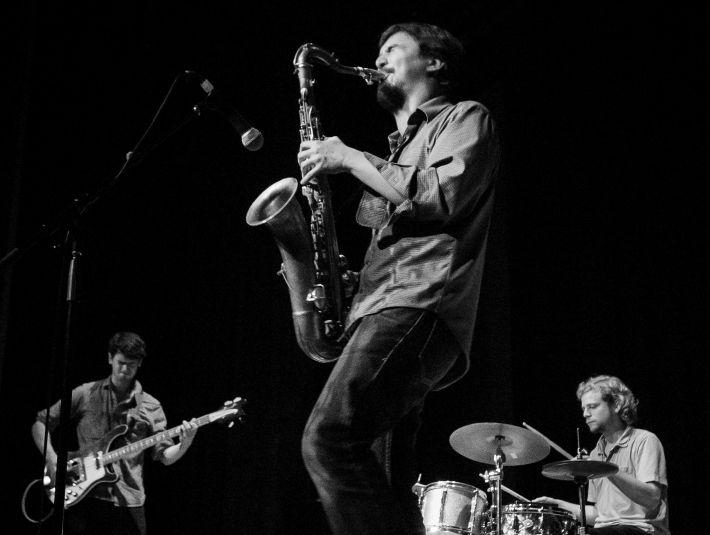
Cactus Truck’s Spotify BioBased in Amsterdam, this fire-breathing improvisational trio comprises bassist/guitarist Jasper Stadhouders, drummer Onno Govaert, and American-born saxophonist John Dikeman. The band plays a take-no-prisoners, high-energy brand of free jazz strongly influenced by the likes of Albert Ayler and Peter Brötzmann at their most intense (they also claim that their music includes elements of Delta blues, Japanese noise, and no wave). Cactus Truck self-released an eponymous CD-R in 2011 and followed that up with a 2012 cassette release (featuring Terrie Ex from the Ex) entitled Macho Sex; their first "official" album, Brand New for China!, arrived in March of 2012 on the Public Eyesore label. In late October through mid-December of that year, Cactus Truck stormed the United States with a massive 37-date tour that saw the trio tearing it up across the country, up the East Coast from Atlanta to Boston, across the Midwest and West, down the West Coast from Seattle to Los Angeles, and finally… wending their way back east for three final dates in New York City. Selections from the tour (recorded at Squidco Records in Wilmington, Delaware with guest trombonist Jeb Bishop; Astro Black Records in Louisville, Kentucky; and the final show at JACK in N.Y.C. with the late Roy Campbell guesting on trumpet) were featured on the Live in USA album, released in March 2013 by the band's Tractata Records imprint in collaboration with the eh? label. In 2014 the explosive trio was back with the Not Two/Tractata release Seizures Palace, named after Jason LaFarge's Brooklyn studio where the album was tracked. As indicated by Sybren Renema in the album's liner notes, Cactus Truck recorded the album past midnight on December 12, 2012, immediately following the 36th gig of that year's U.S. tour, "after consuming enough coffee and whiskey to reboot the musicians' weary minds." ~ Dave Lynch
Viberate is a music analytics platform built for A&Rs, artist managers, labels, booking agents, marketers, and artists.
It helps music professionals track artist growth, analyze audience data, monitor playlist activity, compare artists, follow song performance, and identify opportunities across the music market.
Public artist pages provide a free preview of selected artist data. Paid plans provide access to deeper analytics, historical data, charts, comparisons, playlist tools, exports, alerts, reports, and additional professional features.
Yes. Public Viberate artist pages provide selected artist analytics and music data for free.
Viberate also offers a 7-day free trial of the full platform. A credit card is required to start the trial. The trial includes access to the complete product so users can test deeper artist analytics, historical views, playlist insights, comparisons, charts, exports, alerts, and reporting features before choosing a paid plan.
Viberate provides artist analytics across streaming, playlists, social media, video, radio airplay, songs, and audience markets.
Users can analyze Spotify performance, Spotify and Apple Music playlists, YouTube activity, TikTok and Instagram growth, radio spins, song performance, audience locations, demographics, rankings, and overall artist momentum.
Artist profiles also connect to music charts, similar artists, and comparison tools, helping users benchmark performance and evaluate artists in context.
Viberate updates key artist and track data daily.
For followed artists and tracks, selected data is refreshed multiple times per day. This helps teams monitor playlist changes, streaming movement, audience growth, releases, and campaign performance with more current data.
Update frequency can vary depending on the metric and data source.
Yes. Viberate lets users compare up to five artists side by side across streaming, social media, audience, and engagement metrics.
Users can compare fanbase growth, audience demographics, locations, Spotify performance, social metrics, and other artist data over selected time periods.
Artist comparison can be used for A&R scouting, benchmarking, booking decisions, campaign planning, and evaluating artists with similar audiences or market positions.