Cable Ties

Rock
Garage Rock
 Viberate Rank: 251439
 Viberate Rank: 251439
 Monthly ListenersFollowers
 Subscribers
 Followers
 Followers
 FansTop Spotify Songs
| Track | 7-Day Streams | |
|---|---|---|
1 | 339 | |
2 | 263 | |
3 | 211 | |
4 | 194 | |
5 | 145 |
Top YouTube VideosMonthly ListenersFeatured in Playlists| Playlist | Followers | |
|---|---|---|
1 |  The Austin 100 NPR Music | 27.55K |
2 |  13 Reasons Why Soundtrack: Seasons 1-4 vye | 18.92K |
3 |  Indie Running 170 BPM djnikozz | 14.13K |
4 |  13 Reasons Why S4 Official Playlist Netflix | 13.41K |
5 |  KEXP's Song of the Day 2020 KEXP | 9.42K |
Audience| City | Monthly Listeners | |
|---|---|---|
1 | | 713 |
2 | | 395 |
3 | | 268 |
4 | | 197 |
5 | | 123 |
See full performance history, audience data, playlist activity, rankings, comparisons, and more in Viberate music analytics. Start with a free trial, then continue with a paid plan.
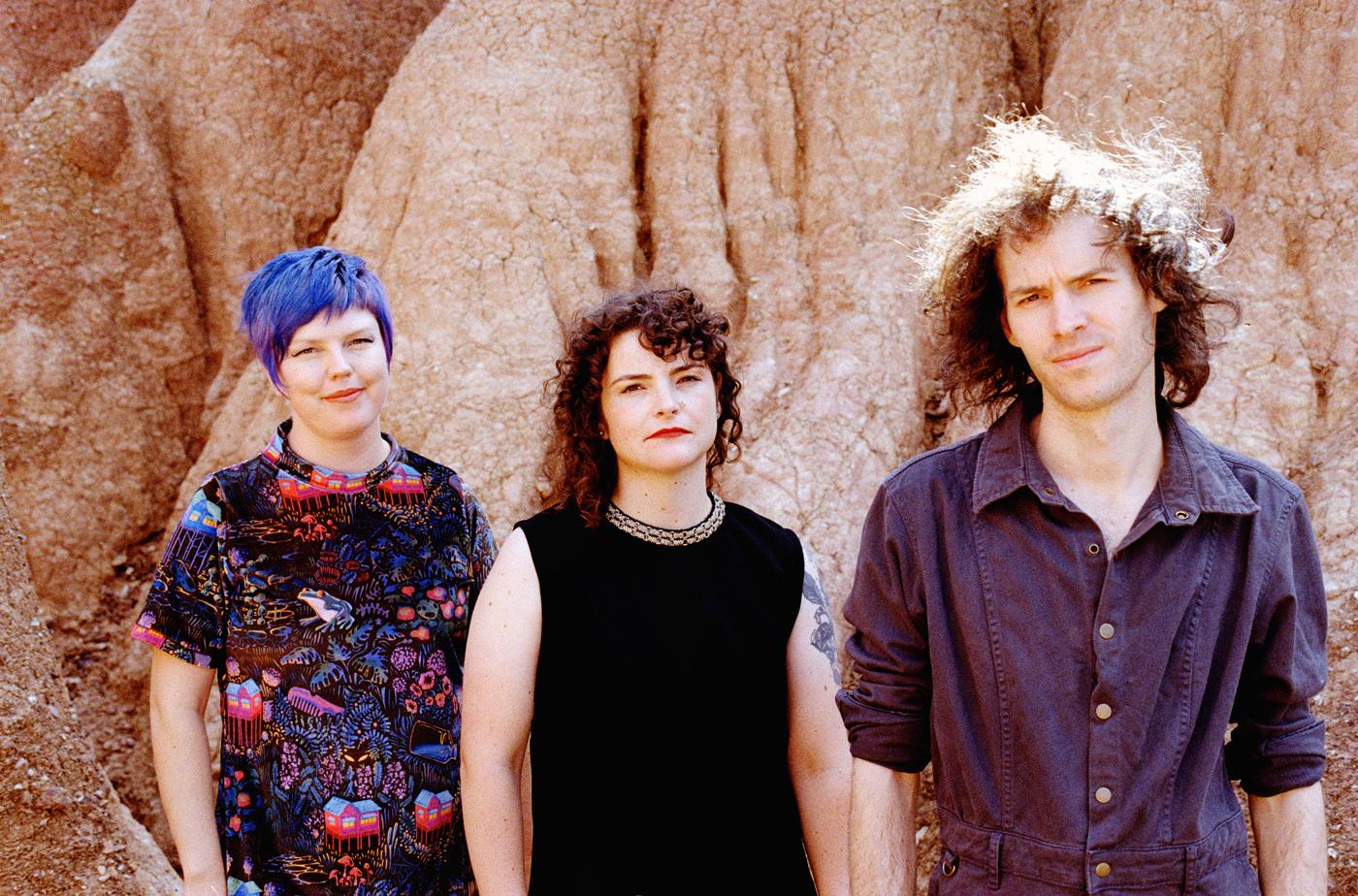
Cable Ties’ Spotify BioLed by the abrasive guitars and powerful vocals of Jenny McKenchie, Australian punks Cable Ties blur the lines of punk and hard rock, playing with an angsty dissonance that has just a hint of AC/DC's stomp and swagger and the Cosmic Psychos' bass-heavy throb bubbling under their noisy fury. The songs boast an appropriate level of punk rock attitude, yet McKenchie's songs and vocals find room for a passionate humanity and an awareness of social and political issues while the band plays with lean, muscular authority. After forming in 2015, the band found a home in Melbourne's D.I.Y. community and captured their growling sound on albums like 2020's Far Enough, while 2023's All Her Plans showed off a greater melodicism without compromising their musical punch.
Cable Ties were formed by guitarist/vocalist McKenchie, bassist Nick Brown, and drummer Shauna Boyle. The group played their debut gig at 2015's annual Wetfest, a non-binary-inclusive music festival in Melbourne celebrating the city's… diverse D.I.Y. scene, curated by McKenchie's other band, Wet Lips. The trio quickly built up a reputation by playing a huge number of live shows in their first year on the local scene. Their first effort was released in March 2016 -- the single "Same for Me" -- followed six months later by a split single with Wet Lips. By the end of 2016, Cable Ties had opened the Meredith Music Festival and earned themselves the "Golden Boot," a tradition that involves the crowd unanimously holding their boots and shoes in the air as a seal of approval; they were the first opening band to receive the accolade.
At the beginning of 2017, McKenchie and Boyle helped curate the first Girls Rock! Melbourne event, an initiative that empowers girls and non-gender youths to get involved in music and music education. The trio then headed out on tour with fellow Aussies Camp Cope and signed a deal with local label Poison City Records; their Paul Maybury-produced eponymous debut album appeared in May. The group again went on tour in support of the release with shows across Australia. In 2019, singles began surfacing in advance of the group's second album, Far Enough. The record took the band's raw sound into more complex places and arrived in March 2020. It won "Best Rock/Punk Album" honors at that year's Music Victoria Awards and became their first album released in North America, when the respected American indie label Merge Records released it in the United States and Canada.
A March 2021 performance at Bakhouse Studios in Richmond, Victoria was recorded and given a limited-edition release on cassette as Live at the Scrap Museum; it was also made available digitally. In February 2023, Merge and Poison City both released the single "Perfect Client," which was the first preview of Cable Ties' third studio album. The full LP, All Her Plans, arrived in June 2023, and reflected a greater maturity and depth in the group's spare but powerful sound, as well as McKenchie's spirited activist outlook. ~ Rich Wilson & Mark Deming, Rovi
Viberate is a music analytics platform built for A&Rs, artist managers, labels, booking agents, marketers, and artists.
It helps music professionals track artist growth, analyze audience data, monitor playlist activity, compare artists, follow song performance, and identify opportunities across the music market.
Public artist pages provide a free preview of selected artist data. Paid plans provide access to deeper analytics, historical data, charts, comparisons, playlist tools, exports, alerts, reports, and additional professional features.
Yes. Public Viberate artist pages provide selected artist analytics and music data for free.
Viberate also offers a 7-day free trial of the full platform. A credit card is required to start the trial. The trial includes access to the complete product so users can test deeper artist analytics, historical views, playlist insights, comparisons, charts, exports, alerts, and reporting features before choosing a paid plan.
Viberate provides artist analytics across streaming, playlists, social media, video, radio airplay, songs, and audience markets.
Users can analyze Spotify performance, Spotify and Apple Music playlists, YouTube activity, TikTok and Instagram growth, radio spins, song performance, audience locations, demographics, rankings, and overall artist momentum.
Artist profiles also connect to music charts, similar artists, and comparison tools, helping users benchmark performance and evaluate artists in context.
Viberate updates key artist and track data daily.
For followed artists and tracks, selected data is refreshed multiple times per day. This helps teams monitor playlist changes, streaming movement, audience growth, releases, and campaign performance with more current data.
Update frequency can vary depending on the metric and data source.
Yes. Viberate lets users compare up to five artists side by side across streaming, social media, audience, and engagement metrics.
Users can compare fanbase growth, audience demographics, locations, Spotify performance, social metrics, and other artist data over selected time periods.
Artist comparison can be used for A&R scouting, benchmarking, booking decisions, campaign planning, and evaluating artists with similar audiences or market positions.