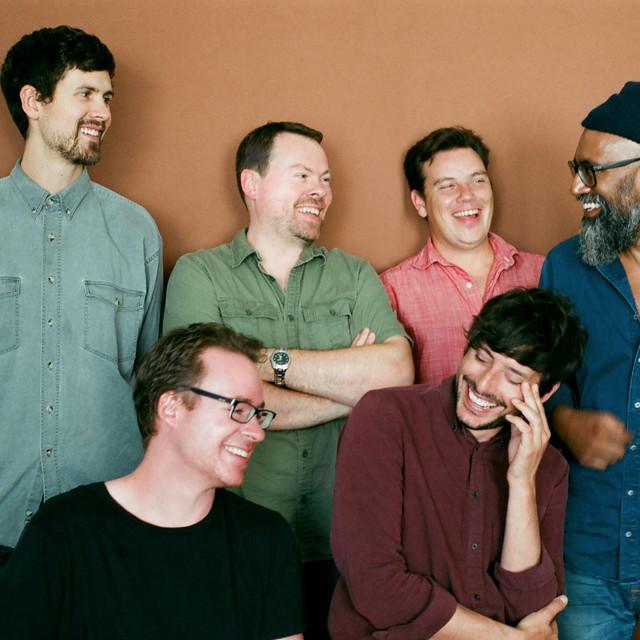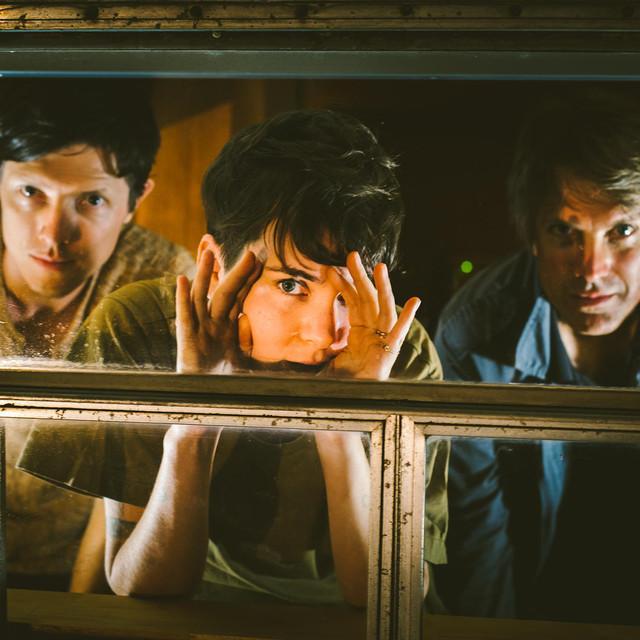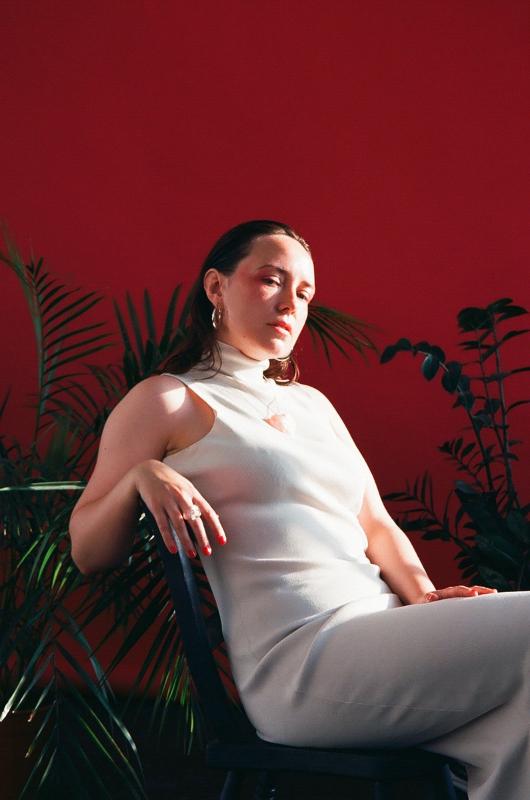
C Duncan

Pop
Indie Pop
Alternative Rock
 Viberate Rank: 134515
 Viberate Rank: 134515
 Monthly ListenersFollowers
 Subscribers
 Followers
 Followers
 FansTop Spotify Songs
| Track | 7-Day Streams | |
|---|---|---|
1 | 12.38K | |
2 | 5.44K | |
3 | 3.50K | |
4 | 2.04K | |
5 | 1.79K |
Top YouTube VideosMonthly ListenersFeatured in Playlists| Playlist | Followers | |
|---|---|---|
1 |  Late Night Tales: The Collection Late Night Tales | 32.82K |
2 |  Zara Store Playlist Nir | 31.63K |
3 |  Bee Movie Justas Janušauskas | 28.31K |
4 |  Chillstep / Melodic dubstep / Liquid dnb Tobias Schneider | 23.50K |
5 |  Ben Watt's SpinCycle Ben Watt | 23.17K |
Audience| City | Monthly Listeners | |
|---|---|---|
1 | | 1.57K |
2 |  | 1.22K |
3 |  | 756 |
4 |  | 709 |
5 |  | 663 |
See full performance history, audience data, playlist activity, rankings, comparisons, and more in Viberate music analytics. Start with a free trial, then continue with a paid plan.
C Duncan’s Spotify BioChristopher Duncan, who performs as C Duncan, is a Scottish composer and multi-instrumentalist whose classical music upbringing seeps into his sophisticated, billowy indie pop creations. Emerging in 2015 with the Mercury Prize-nominated Architect, his lush bedroom pop became more expansive and elaborately produced on subsequent outings like Health (2019) and Alluvium (2022). Duncan's sound further evolved with the dense romantic sweep of 2025's It's Only a Love Song.
Raised in Glasgow by two classical musicians, Duncan studied piano and viola before taking up guitar, bass, and drums in his teens, eventually studying music composition at the Royal Conservatoire of Scotland. Assembling his songs one instrument at a time in a home studio, he submitted a demo to FatCat Records, which signed the young craftsman in 2013. His first single, the sublime "For," was released late the following year, and his artful debut album, Architect, arrived in the summer of 2015, receiving a Mercury Prize… nomination. Duncan moved quickly on his follow-up, releasing The Midnight Sun in October 2016. Its title comes from an episode of the early-'60s sci-fi anthology series The Twilight Zone which also informed the tone and sequence of the album. Like his debut, it made a Top Ten showing on the U.K. Indie charts. Changing tack, Duncan worked with producer Craig Potter (Elbow) to create his more sonically varied and deeply personal third album, 2019's Health. It would be his last outing on FatCat -- in 2021 Duncan announced he'd joined Bella Union's roster.
His first release for the label was 2022's hopeful and radiant Alluvium, an album he again produced and recorded on his own. For his next album, Duncan opted for a more organic, orchestrally driven sound, employing string sections and song structures that harkened back to classic singer/songwriter music. Partly inspired by his recent marriage, 2025's It's Only a Love Song was unapologetically romantic in tone. ~ Marcy Donelson, Rovi
Viberate is a music analytics platform built for A&Rs, artist managers, labels, booking agents, marketers, and artists.
It helps music professionals track artist growth, analyze audience data, monitor playlist activity, compare artists, follow song performance, and identify opportunities across the music market.
Public artist pages provide a free preview of selected artist data. Paid plans provide access to deeper analytics, historical data, charts, comparisons, playlist tools, exports, alerts, reports, and additional professional features.
Yes. Public Viberate artist pages provide selected artist analytics and music data for free.
Viberate also offers a 7-day free trial of the full platform. A credit card is required to start the trial. The trial includes access to the complete product so users can test deeper artist analytics, historical views, playlist insights, comparisons, charts, exports, alerts, and reporting features before choosing a paid plan.
Viberate provides artist analytics across streaming, playlists, social media, video, radio airplay, songs, and audience markets.
Users can analyze Spotify performance, Spotify and Apple Music playlists, YouTube activity, TikTok and Instagram growth, radio spins, song performance, audience locations, demographics, rankings, and overall artist momentum.
Artist profiles also connect to music charts, similar artists, and comparison tools, helping users benchmark performance and evaluate artists in context.
Viberate updates key artist and track data daily.
For followed artists and tracks, selected data is refreshed multiple times per day. This helps teams monitor playlist changes, streaming movement, audience growth, releases, and campaign performance with more current data.
Update frequency can vary depending on the metric and data source.
Yes. Viberate lets users compare up to five artists side by side across streaming, social media, audience, and engagement metrics.
Users can compare fanbase growth, audience demographics, locations, Spotify performance, social metrics, and other artist data over selected time periods.
Artist comparison can be used for A&R scouting, benchmarking, booking decisions, campaign planning, and evaluating artists with similar audiences or market positions.