C-Bo

Hip Hop
Contemporary Hip Hop
 Viberate Rank: 33383
 Viberate Rank: 33383
 Monthly ListenersFollowers
 Subscribers
 Followers
 Followers
 FansTop Spotify Songs
| Track | 7-Day Streams | |
|---|---|---|
1 | 66.70K | |
2 | 31.63K | |
3 | 7.46K | |
4 | 3.52K | |
5 | 3.35K |
Top YouTube Videos| Video | 7-Day Views | |
|---|---|---|
1 | 6.35K | |
2 | 6.14K | |
3 | 5.09K | |
4 | 5.08K | |
5 | 4.35K |
Monthly ListenersFeatured in Playlists| Playlist | Followers | |
|---|---|---|
1 | 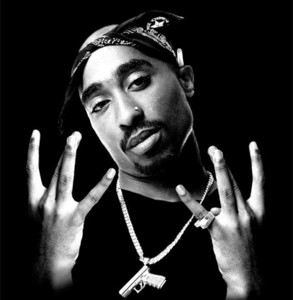 Tupac Greatest Hits - All Songs Gay Nation Boys | 107.75K |
2 |  Ntyson94 | 94.84K |
3 | 2Pac - All Songs 🇬🇧 Stewart Harding 🎤🎸✌🏻 | 58.29K |
4 | Ignatious Pop 1 | 54.67K |
5 |  All Of 2Pac 2Pac | 54.48K |
Audience| City | Monthly Listeners | |
|---|---|---|
1 | | 3.37K |
2 | | 1.96K |
3 | | 1.93K |
4 | | 1.74K |
5 | | 1.63K |
See full performance history, audience data, playlist activity, rankings, comparisons, and more in Viberate music analytics. Start with a free trial, then continue with a paid plan.
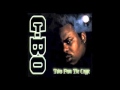
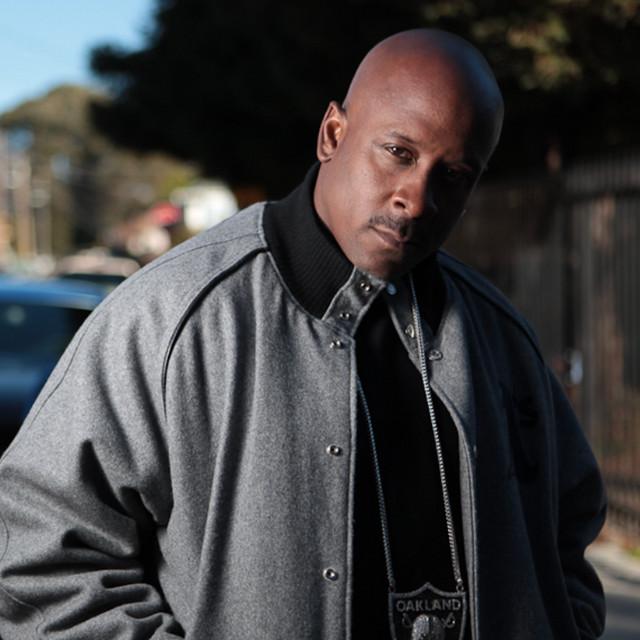
C-Bo’s Spotify BioBeginning with his 1993 debut, Gas Chamber, C-BO made it clear that he planned on surprising rap listeners with his controversial lyrics, which would eventually land him in jail. Of course, the hardcore Californian's steady rise toward continued popularity increased year by year, with an album being released nearly every year following his jaw-dropping debut. With album titles such as Autopsy and Tales from the Crypt, C-BO quickly attained a cult following, similar to the small legions of listeners swarming perverse rappers such as Esham, Brotha Lynch Hung, and Three Six Mafia. Yet as C-BO began to mature as an artist, he moved away from exploitative themes, though he still ranked among the West Coast's most extreme hardcore rappers. By the time his 1998 album, 'Til My Casket Drops, arrived, the Cali rapper found himself debuting at number 41 on Billboard's Top 200 album chart, an amazing feat for such an underground rapper. In 2000 -- after oddly being jailed in 1998 for his lyrical… content -- he released Enemy of the State on Warlock, continuing his climb to recognition. After subsequent albums like Life as a Rider (2002), The Mobfather (2003), and Money to Burn (2006) debuted on the Billboard R&B/hip-hop charts upon their release, C-BO focused on collaborative efforts. In 2008, he issued Trading War Stories with Omar "Big O" Gooding, followed by 2010's Thug Money with Thug Lordz. He returned to his own solo material in 2012, releasing a pair of efforts that year. Cali Connection, his 11th LP, featured appearances by Outlawz, Young Buck, and more, while Orca enlisted Yukmouth, Brotha Lynch Hung, E-40, and Paul Wall. After recording a sequel to The Mobfather in 2015, C-BO returned in 2017 with The Problem. ~ Jason Birchmeier, Rovi
Viberate is a music analytics platform built for A&Rs, artist managers, labels, booking agents, marketers, and artists.
It helps music professionals track artist growth, analyze audience data, monitor playlist activity, compare artists, follow song performance, and identify opportunities across the music market.
Public artist pages provide a free preview of selected artist data. Paid plans provide access to deeper analytics, historical data, charts, comparisons, playlist tools, exports, alerts, reports, and additional professional features.
Yes. Public Viberate artist pages provide selected artist analytics and music data for free.
Viberate also offers a 7-day free trial of the full platform. A credit card is required to start the trial. The trial includes access to the complete product so users can test deeper artist analytics, historical views, playlist insights, comparisons, charts, exports, alerts, and reporting features before choosing a paid plan.
Viberate provides artist analytics across streaming, playlists, social media, video, radio airplay, songs, and audience markets.
Users can analyze Spotify performance, Spotify and Apple Music playlists, YouTube activity, TikTok and Instagram growth, radio spins, song performance, audience locations, demographics, rankings, and overall artist momentum.
Artist profiles also connect to music charts, similar artists, and comparison tools, helping users benchmark performance and evaluate artists in context.
Viberate updates key artist and track data daily.
For followed artists and tracks, selected data is refreshed multiple times per day. This helps teams monitor playlist changes, streaming movement, audience growth, releases, and campaign performance with more current data.
Update frequency can vary depending on the metric and data source.
Yes. Viberate lets users compare up to five artists side by side across streaming, social media, audience, and engagement metrics.
Users can compare fanbase growth, audience demographics, locations, Spotify performance, social metrics, and other artist data over selected time periods.
Artist comparison can be used for A&R scouting, benchmarking, booking decisions, campaign planning, and evaluating artists with similar audiences or market positions.