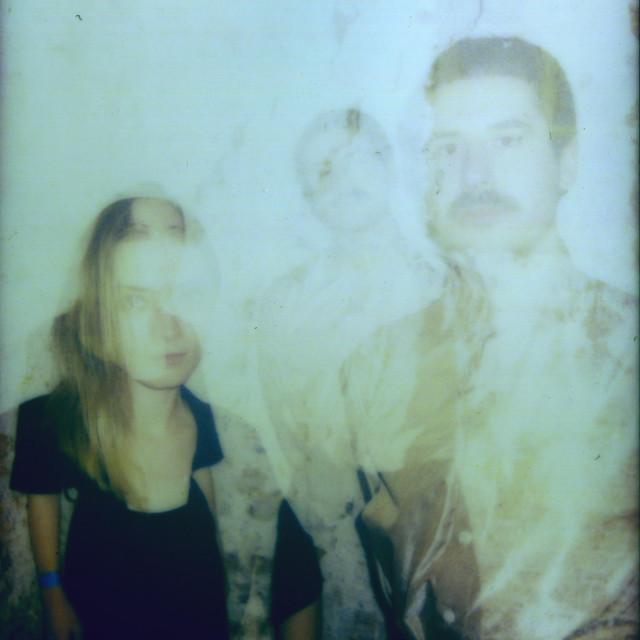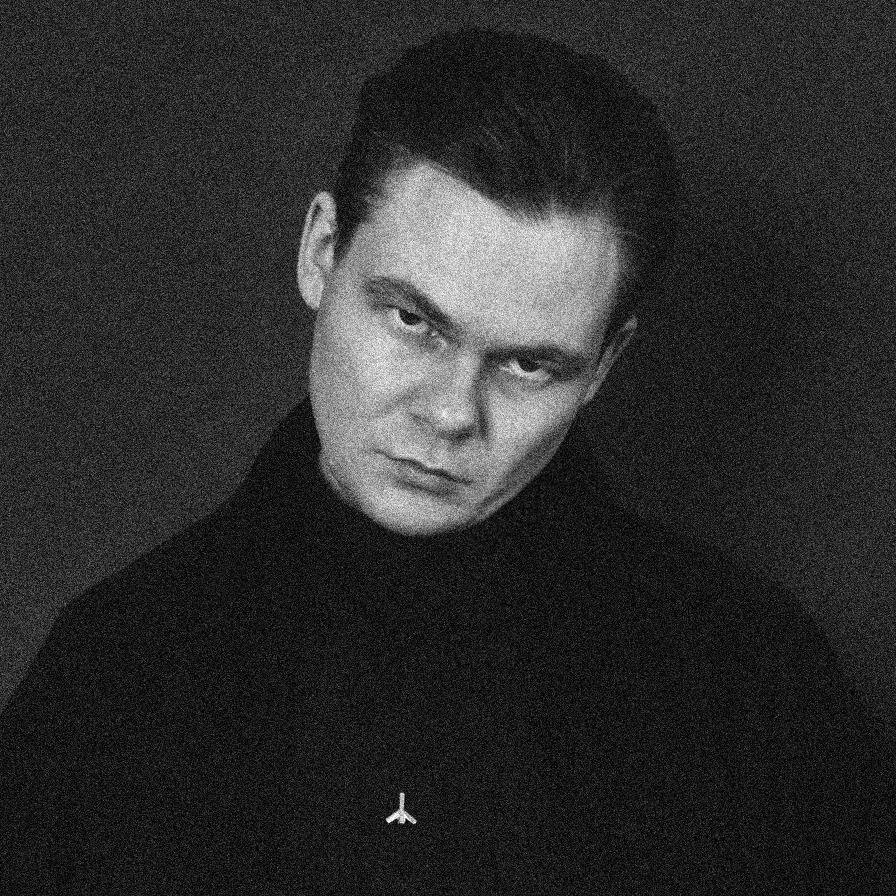
Buzz Kull

Punk
Darkwave
Synthpop
 Viberate Rank: 77983
 Viberate Rank: 77983
 Monthly ListenersFollowers
 Subscribers
 Followers
 Followers
 FansTop Spotify Songs
| Track | 7-Day Streams | |
|---|---|---|
1 | 26.84K | |
2 | 9.01K | |
3 | 7.35K | |
4 | 6.65K | |
5 | 5.35K |
Top YouTube VideosMonthly ListenersFeatured in Playlists| Playlist | Followers | |
|---|---|---|
1 |  80s DARK WAVE Keef4Teef | 175.31K |
2 |  Slutty goth music Kash | 85.61K |
3 |  Post-Punk / Darkwave Casket Cassette | 72.92K |
4 |  Darkwave Void | 57.19K |
5 |  Ellen Allien's track IDs Spotify | 53.17K |
Audience| City | Monthly Listeners | |
|---|---|---|
1 |  | 3.45K |
2 |  | 2.63K |
3 |  | 2.46K |
4 |  | 1.63K |
5 |  | 1.27K |
See full performance history, audience data, playlist activity, rankings, comparisons, and more in Viberate music analytics. Start with a free trial, then continue with a paid plan.
Buzz Kull’s Spotify BioBuzz Kull is the solo project of Sydney-based musician and producer Marc Dwyer.
Since 2012 Buzz Kull has been blending elements of darkwave, EBM, and synth-pop into a sound that’s dark, dissonant and danceable.
His early work, including his 2017 debut Chroma and 2018’s New Kind of Cross, was defined by stripped-back production and a fascination with minimal synth textures. These records drew from early industrial and post-punk traditions, pairing drum machine-led tracks with cool, monotonous vocals and moody atmospherics.
Over time, Dwyer’s sound has grown harder and more precise. His 2022 album Fascination, released through Italian label Avant! Records, marked a turning point — a sleek, focused collection of dark dance tracks that channel the energy of late-’80s body music.
Outside of Buzz Kull, Dwyer is a frequent collaborator and remixer, collaborating with artists across the darker ends of electronic music.
He has toured extensively throughout Europe, the US, LATAM and Asia, sharing… stages with contemporaries like Cold Cave, Boy Harsher, Kontravoid and Spike Hellis.
Viberate is a music analytics platform built for A&Rs, artist managers, labels, booking agents, marketers, and artists.
It helps music professionals track artist growth, analyze audience data, monitor playlist activity, compare artists, follow song performance, and identify opportunities across the music market.
Public artist pages provide a free preview of selected artist data. Paid plans provide access to deeper analytics, historical data, charts, comparisons, playlist tools, exports, alerts, reports, and additional professional features.
Yes. Public Viberate artist pages provide selected artist analytics and music data for free.
Viberate also offers a 7-day free trial of the full platform. A credit card is required to start the trial. The trial includes access to the complete product so users can test deeper artist analytics, historical views, playlist insights, comparisons, charts, exports, alerts, and reporting features before choosing a paid plan.
Viberate provides artist analytics across streaming, playlists, social media, video, radio airplay, songs, and audience markets.
Users can analyze Spotify performance, Spotify and Apple Music playlists, YouTube activity, TikTok and Instagram growth, radio spins, song performance, audience locations, demographics, rankings, and overall artist momentum.
Artist profiles also connect to music charts, similar artists, and comparison tools, helping users benchmark performance and evaluate artists in context.
Viberate updates key artist and track data daily.
For followed artists and tracks, selected data is refreshed multiple times per day. This helps teams monitor playlist changes, streaming movement, audience growth, releases, and campaign performance with more current data.
Update frequency can vary depending on the metric and data source.
Yes. Viberate lets users compare up to five artists side by side across streaming, social media, audience, and engagement metrics.
Users can compare fanbase growth, audience demographics, locations, Spotify performance, social metrics, and other artist data over selected time periods.
Artist comparison can be used for A&R scouting, benchmarking, booking decisions, campaign planning, and evaluating artists with similar audiences or market positions.