Butcher the Bar

Pop
Indie Pop
 Viberate Rank: 195256
 Viberate Rank: 195256
 Monthly ListenersFollowers
 Subscribers
 Followers
 Followers
 FansTop Spotify Songs
| Track | 7-Day Streams | |
|---|---|---|
1 | 99 | |
2 | 99 | |
3 | 13 | |
4 | 11 | |
5 | 11 |
Top YouTube Videos| Video | 7-Day Views | |
|---|---|---|
1 | 1 |
Monthly ListenersFeatured in Playlists| Playlist | Followers | |
|---|---|---|
1 | While You Work (@whileyouwork) Eli Feghali | 81.75K |
2 | Chuck vs. the Music - COMPLETE Kate Wilson | 12.57K |
3 | CHUCK Series Soundtrack 1216350601 | 10.69K |
4 | *📺 Chuck Soundtrack (All Seasons/Complete) ⟡dee⟡ | 4.29K |
5 |  rudderless Malthe Køhn Andersen | 4.24K |
Audience| City | Monthly Listeners | |
|---|---|---|
1 |  | 6 |
2 | | 6 |
3 |  | 5 |
4 |  | 5 |
5 |  | 5 |
See full performance history, audience data, playlist activity, rankings, comparisons, and more in Viberate music analytics. Start with a free trial, then continue with a paid plan.
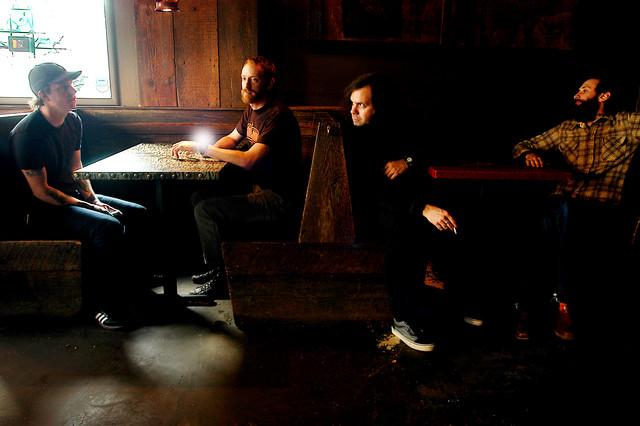
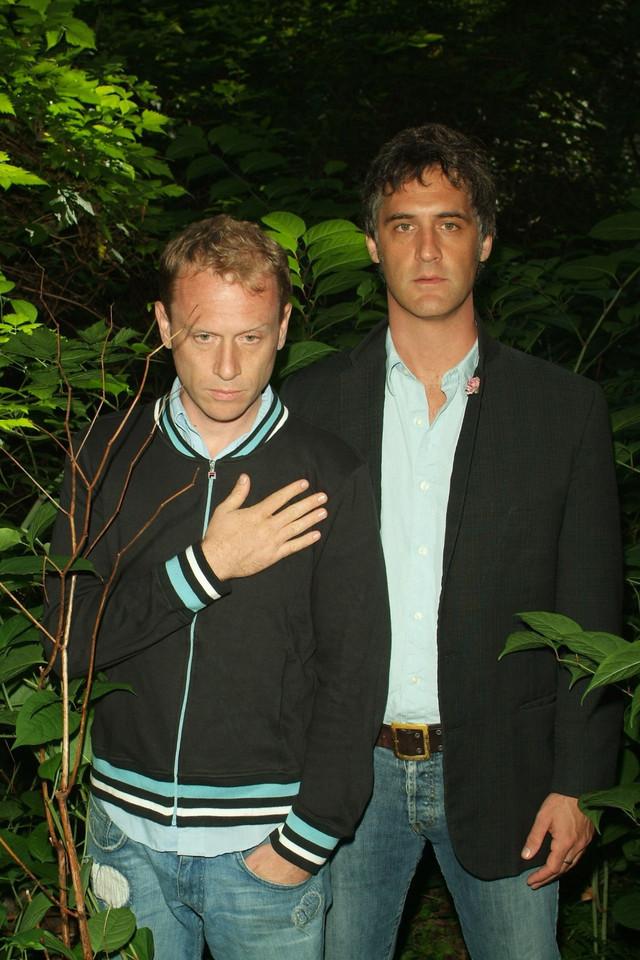
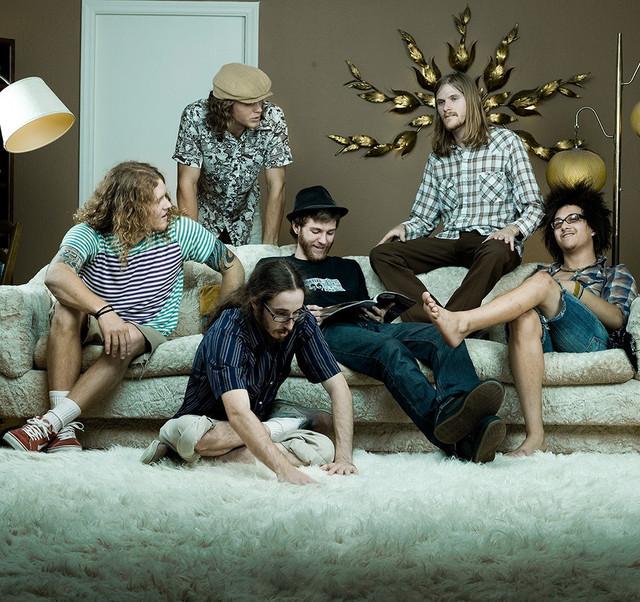
Butcher the Bar’s Spotify BioButcher the Bar began as a solo project for U.K. indie folk songwriter Joel Nicholson but expanded to a duo and then to a five-piece band as the project went on. Albums evolved from hushed solo fare early on to more fully orchestrated songs with 2019's III.
Rotherham, U.K. singer/songwriter Joel Nicholson began writing songs for Butcher the Bar in 2007 with thoughtfully crafted melodies and gentle vocals, reminiscent of a more hopeful Elliott Smith. He debuted that year with a 7" including the song "Get Away," later featured in an episode of the action-comedy TV series Chuck. Full-length debut Sleep at Your Own Speed arrived in 2008, finding Nicholson on guitar, melodica, banjo, and accordion to address coming-of-age themes. For sophomore recording For Each a Future Tethered, released in 2011, the addition of horns, reeds, and piano culminated in lush arrangements in the vein of Australian indie pop trio the Lucksmiths. Nicholson toured in support of his records, eventually expanding… the project to include a full touring band. Between 2013 and 2015, this iteration of Butcher the Bar recorded on and off for a new album. The resultant album, III, didn't see release until 2019 when it was released on Spanish label Bobo Integral. ~ Chrysta Cherrie, Rovi
Viberate is a music analytics platform built for A&Rs, artist managers, labels, booking agents, marketers, and artists.
It helps music professionals track artist growth, analyze audience data, monitor playlist activity, compare artists, follow song performance, and identify opportunities across the music market.
Public artist pages provide a free preview of selected artist data. Paid plans provide access to deeper analytics, historical data, charts, comparisons, playlist tools, exports, alerts, reports, and additional professional features.
Yes. Public Viberate artist pages provide selected artist analytics and music data for free.
Viberate also offers a 7-day free trial of the full platform. A credit card is required to start the trial. The trial includes access to the complete product so users can test deeper artist analytics, historical views, playlist insights, comparisons, charts, exports, alerts, and reporting features before choosing a paid plan.
Viberate provides artist analytics across streaming, playlists, social media, video, radio airplay, songs, and audience markets.
Users can analyze Spotify performance, Spotify and Apple Music playlists, YouTube activity, TikTok and Instagram growth, radio spins, song performance, audience locations, demographics, rankings, and overall artist momentum.
Artist profiles also connect to music charts, similar artists, and comparison tools, helping users benchmark performance and evaluate artists in context.
Viberate updates key artist and track data daily.
For followed artists and tracks, selected data is refreshed multiple times per day. This helps teams monitor playlist changes, streaming movement, audience growth, releases, and campaign performance with more current data.
Update frequency can vary depending on the metric and data source.
Yes. Viberate lets users compare up to five artists side by side across streaming, social media, audience, and engagement metrics.
Users can compare fanbase growth, audience demographics, locations, Spotify performance, social metrics, and other artist data over selected time periods.
Artist comparison can be used for A&R scouting, benchmarking, booking decisions, campaign planning, and evaluating artists with similar audiences or market positions.