Bushido Code

Metal
Thrash Metal
Hardcore Punk
 Viberate Rank: 460458
 Viberate Rank: 460458
 Monthly ListenersFollowers
 Subscribers
 Followers
 Followers
 FansTop Spotify Songs
| Track | 7-Day Streams | |
|---|---|---|
1 | 25 | |
2 | 18 | |
3 | 16 | |
4 | 14 | |
5 | 13 |
Top YouTube VideosMonthly ListenersFeatured in Playlists| Playlist | Followers | |
|---|---|---|
1 | Thrash Metal Up Your Ass Germonio | 6.86K |
2 |  New Wave Of Thrash Metal Andrew Saalmann | 4.42K |
Audience| City | Monthly Listeners | |
|---|---|---|
1 | | 8 |
2 | | 8 |
3 | | 3 |
4 | | 3 |
5 | | 3 |
See full performance history, audience data, playlist activity, rankings, comparisons, and more in Viberate music analytics. Start with a free trial, then continue with a paid plan.
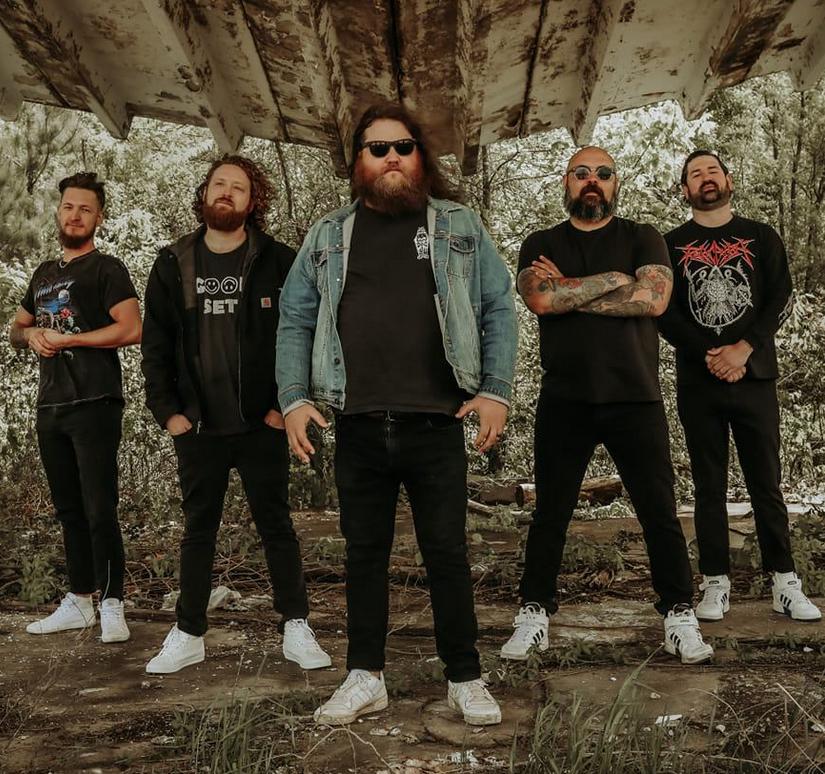
Bushido Code’s Spotify BioWith roots that go deep into the hardcore scene, this quintent formed in 2017 as so many great bands do, out of the creative primordial ooze of their local scene. Many of the members had known each other for years, making this collaboration feel very natural. They chose a samurai inspired moniker to reflect their own personal values of being fearless and driven by their goal to achieve the highest degrees of sacrifice for what they believe and are dedicated to. With their first two releases, The Dying Virtues: Volume 1+2 the band was able to lay out their vision of a crossover thrash sound that was unapologetically go for the throat.
Now, the band is gearing up to release a brand new album, The Ronin on the one and only Upstate Records. This album will use skull cracking thrash metal to tell the story of Da Shi, a Ronin Samurai who has traveled through time, looking for a warrior worthy enough to help him achieve the most honorable sacrifice, death. However, no demon or saint has been… worthy enough yet. It’s an epic story, but a natural choice for a band who seek to take on the world at large. Follow the journey and experience their crossover thrash sonic triumph now!
Viberate is a music analytics platform built for A&Rs, artist managers, labels, booking agents, marketers, and artists.
It helps music professionals track artist growth, analyze audience data, monitor playlist activity, compare artists, follow song performance, and identify opportunities across the music market.
Public artist pages provide a free preview of selected artist data. Paid plans provide access to deeper analytics, historical data, charts, comparisons, playlist tools, exports, alerts, reports, and additional professional features.
Yes. Public Viberate artist pages provide selected artist analytics and music data for free.
Viberate also offers a 7-day free trial of the full platform. A credit card is required to start the trial. The trial includes access to the complete product so users can test deeper artist analytics, historical views, playlist insights, comparisons, charts, exports, alerts, and reporting features before choosing a paid plan.
Viberate provides artist analytics across streaming, playlists, social media, video, radio airplay, songs, and audience markets.
Users can analyze Spotify performance, Spotify and Apple Music playlists, YouTube activity, TikTok and Instagram growth, radio spins, song performance, audience locations, demographics, rankings, and overall artist momentum.
Artist profiles also connect to music charts, similar artists, and comparison tools, helping users benchmark performance and evaluate artists in context.
Viberate updates key artist and track data daily.
For followed artists and tracks, selected data is refreshed multiple times per day. This helps teams monitor playlist changes, streaming movement, audience growth, releases, and campaign performance with more current data.
Update frequency can vary depending on the metric and data source.
Yes. Viberate lets users compare up to five artists side by side across streaming, social media, audience, and engagement metrics.
Users can compare fanbase growth, audience demographics, locations, Spotify performance, social metrics, and other artist data over selected time periods.
Artist comparison can be used for A&R scouting, benchmarking, booking decisions, campaign planning, and evaluating artists with similar audiences or market positions.