Burning The Masses

Metal
Death Metal
Metalcore/Deathcore
 Viberate Rank: 216492
 Viberate Rank: 216492
 Monthly ListenersFollowers
 Subscribers
 Followers
 Followers
 FansTop Spotify Songs
| Track | 7-Day Streams | |
|---|---|---|
1 | 1.45K | |
2 | 1.23K | |
3 | 409 | |
4 | 290 | |
5 | 228 |
Top YouTube VideosMonthly ListenersFeatured in Playlists| Playlist | Followers | |
|---|---|---|
1 | Death Metal Dylan Bellusci | 67.91K |
2 |  MYSPACE DEATHCORE: 2002 - 2010 xdeathcorex | 18.10K |
3 | Metal🤘🏻 Naydil González | 16.45K |
4 |  Technical Death Metal OPSAT | 15.41K |
5 |  Brutal Deathcore EC | 11.87K |
Audience| City | Monthly Listeners | |
|---|---|---|
1 | | 123 |
2 | | 116 |
3 | | 107 |
4 | | 92 |
5 | | 88 |
See full performance history, audience data, playlist activity, rankings, comparisons, and more in Viberate music analytics. Start with a free trial, then continue with a paid plan.
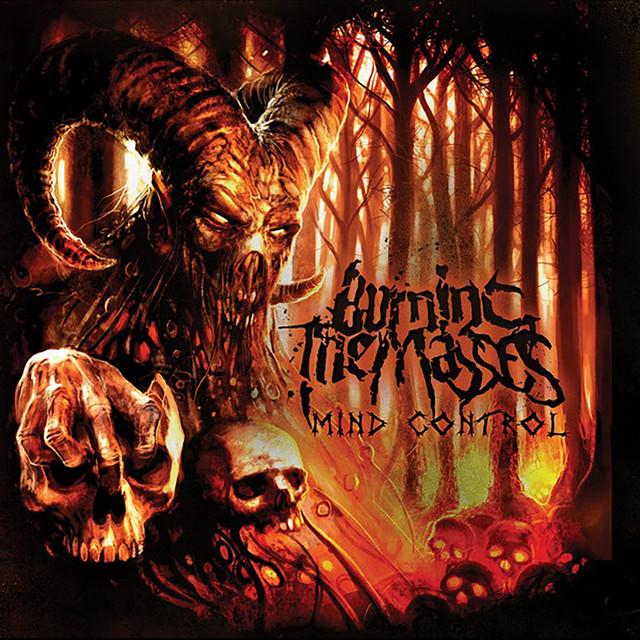
Burning The Masses’ Spotify BioSan Diego, CA's Burning the Masses are characterized by an especially violent brand of deathcore, streaked with instrumental complexity derived from math metal. Beginning with a demo in 2005, the group proceeded to develop their repertoire while building a small following on local stages, until they were ready to record their self-financed and -distributed mini-album, Volatile Existence in 2007. This quickly paved the way for a deal with Mediaskare Records, which repackaged and reissued that release, before sending bandmembers David Montenegro (vocals), Arde (guitar/vocals), Chris (guitar), Jake (bass), and Chason Westmorelan (drums), back into the studio to record a proper full-length. Released in 2008 under the evocative title of Mind Control, the album featured three re-recorded tracks among nine brand new tunes, but all of them sounded as oppressively brutal as ever. ~ Eduardo Rivadavia, Rovi
Viberate is a music analytics platform built for A&Rs, artist managers, labels, booking agents, marketers, and artists.
It helps music professionals track artist growth, analyze audience data, monitor playlist activity, compare artists, follow song performance, and identify opportunities across the music market.
Public artist pages provide a free preview of selected artist data. Paid plans provide access to deeper analytics, historical data, charts, comparisons, playlist tools, exports, alerts, reports, and additional professional features.
Yes. Public Viberate artist pages provide selected artist analytics and music data for free.
Viberate also offers a 7-day free trial of the full platform. A credit card is required to start the trial. The trial includes access to the complete product so users can test deeper artist analytics, historical views, playlist insights, comparisons, charts, exports, alerts, and reporting features before choosing a paid plan.
Viberate provides artist analytics across streaming, playlists, social media, video, radio airplay, songs, and audience markets.
Users can analyze Spotify performance, Spotify and Apple Music playlists, YouTube activity, TikTok and Instagram growth, radio spins, song performance, audience locations, demographics, rankings, and overall artist momentum.
Artist profiles also connect to music charts, similar artists, and comparison tools, helping users benchmark performance and evaluate artists in context.
Viberate updates key artist and track data daily.
For followed artists and tracks, selected data is refreshed multiple times per day. This helps teams monitor playlist changes, streaming movement, audience growth, releases, and campaign performance with more current data.
Update frequency can vary depending on the metric and data source.
Yes. Viberate lets users compare up to five artists side by side across streaming, social media, audience, and engagement metrics.
Users can compare fanbase growth, audience demographics, locations, Spotify performance, social metrics, and other artist data over selected time periods.
Artist comparison can be used for A&R scouting, benchmarking, booking decisions, campaign planning, and evaluating artists with similar audiences or market positions.