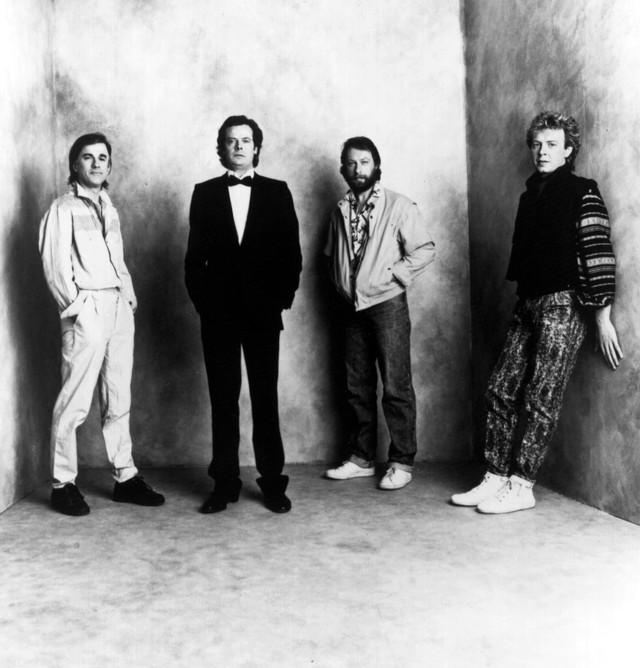
Buck Dharma

Rock
Hard Rock
Pop Rock
 Viberate Rank: 265355
 Viberate Rank: 265355
 Monthly ListenersFollowers
 Subscribers
 Followers
 Followers
 FansTop Spotify Songs
| Track | 7-Day Streams | |
|---|---|---|
1 | 142 | |
2 | 51 | |
3 | 50 | |
4 | 43 | |
5 | 42 |
Top YouTube VideosMonthly ListenersFeatured in Playlists| Playlist | Followers | |
|---|---|---|
1 |  Deep Cuts, Forgotten Gems & Classic Rock Gold Rick Kirby - music nerd | 5.63K |
2 |  Front Page Features | Sonemic Selects sonemic.com | 1.17K |
Audience| City | Monthly Listeners | |
|---|---|---|
1 | | 12 |
2 | | 10 |
3 | | 9 |
4 | | 8 |
5 | | 7 |
See full performance history, audience data, playlist activity, rankings, comparisons, and more in Viberate music analytics. Start with a free trial, then continue with a paid plan.
Buck Dharma’s Spotify BioLead guitarist and vocalist for Blue Öyster Cult, since its inception in 1967, Buck Dharma (born: Donald Roser) has successfully branched out to a variety of outside projects. He released a powerful solo album, Flat Out, in 1982, and wrote score "cues" for the 1992 film Bad Channels, that were featured, along with two new Blue Öyster Cult tunes, on the soundtrack album. A four-CD box set, Archive, released in 2002, samples Dharma's home recordings since the mid-'70s. Dharma has also found time to add his distinctive playing to albums by Kasim Sulton and Tommy Zvoncheck.
The son of a jazz saxophone player, Dharma studied accordion as a child. Although he switched to the drums, his career as a drummer ended when he broke his left wrist while playing basketball. Teaching himself to play the guitar while recuperating, he found his natural voice on the instrument.
Sharpening his skill with a series of cover bands on Long Island, Dharma continued to play music after enrolling in Clarkson… College, in the northern New York city of Potsdam. Striking up a friendship with future Blue Öyster Cult drummer Albert Bouchard, Dharma and Bouchard continued to play together in two Potsdam-based bands -- the Disciples and Travesty..
Although Dharma temporarily returned to Long Island, and Bouchard to Chicago, they reunited after a few months in Stony Brook, NY. While they initially attempted to balance music with studies at Stony Brook College, it was obvious that music demanded full-time attention. Moving into a "band house," they joined with bassist Andy Winters and keyboardist John Wiesenthal (soon replaced by Allen Lanier) to form Soft White Underbelly in 1967.
Signed by Elektra, Dharma and Soft White Underbelly added vocalist Les Bronstein before recording what should have been their first album. Instead, the album went unreleased, and, after dropping Bronstein, the band renamed itself Oaxaca. Although they worked on a second album, this too went unreleased. The only recording during the band's early days was a single credited to the Stalk-Forrest Group.
Dropped by Elektra, Dharma and bandmates went through further changes. Changing their name to Blue Öyster Cult, and replacing Winters with Bouchard's brother, Joe, they signed with Columbia in late 1971.
Although their first albums for the label barely broke into the Top 100, the group had its first international hit with "(Don't Fear) The Reaper," featuring Dharma's lead vocals. The song's success provided the impetus that the band needed as their subsequent releases consistently achieved gold status. Dharma's vocals were also featured on Blue Öyster Cult's 1981 Top 40 hit "Burnin' for You." ~ Craig Harris
Viberate is a music analytics platform built for A&Rs, artist managers, labels, booking agents, marketers, and artists.
It helps music professionals track artist growth, analyze audience data, monitor playlist activity, compare artists, follow song performance, and identify opportunities across the music market.
Public artist pages provide a free preview of selected artist data. Paid plans provide access to deeper analytics, historical data, charts, comparisons, playlist tools, exports, alerts, reports, and additional professional features.
Yes. Public Viberate artist pages provide selected artist analytics and music data for free.
Viberate also offers a 7-day free trial of the full platform. A credit card is required to start the trial. The trial includes access to the complete product so users can test deeper artist analytics, historical views, playlist insights, comparisons, charts, exports, alerts, and reporting features before choosing a paid plan.
Viberate provides artist analytics across streaming, playlists, social media, video, radio airplay, songs, and audience markets.
Users can analyze Spotify performance, Spotify and Apple Music playlists, YouTube activity, TikTok and Instagram growth, radio spins, song performance, audience locations, demographics, rankings, and overall artist momentum.
Artist profiles also connect to music charts, similar artists, and comparison tools, helping users benchmark performance and evaluate artists in context.
Viberate updates key artist and track data daily.
For followed artists and tracks, selected data is refreshed multiple times per day. This helps teams monitor playlist changes, streaming movement, audience growth, releases, and campaign performance with more current data.
Update frequency can vary depending on the metric and data source.
Yes. Viberate lets users compare up to five artists side by side across streaming, social media, audience, and engagement metrics.
Users can compare fanbase growth, audience demographics, locations, Spotify performance, social metrics, and other artist data over selected time periods.
Artist comparison can be used for A&R scouting, benchmarking, booking decisions, campaign planning, and evaluating artists with similar audiences or market positions.