Bryan Lee

Blues
Contemporary Blues
 Viberate Rank: 304980
 Viberate Rank: 304980
 Monthly ListenersFollowers
 Subscribers
 Followers
 Followers
 FansTop Spotify Songs
| Track | 7-Day Streams | |
|---|---|---|
1 | 703 | |
2 | 427 | |
3 | 114 | |
4 | 96 | |
5 | 87 |
Top YouTube VideosMonthly ListenersFeatured in Playlists| Playlist | Followers | |
|---|---|---|
1 |  Christmas Blues Spotify | 25.40K |
2 | BB King, Eric Clapton and others 1226122150 | 7.08K |
3 |  Midnight Blues Helmut Neubauer | 3.81K |
4 |  Blues Bar Mix Mert Veysel Yılmaz | 2.94K |
5 | Chicago Blues #1 André Schmid | 2.78K |
Audience| City | Monthly Listeners | |
|---|---|---|
1 |  | 53 |
2 | | 28 |
3 | | 20 |
4 |  | 20 |
5 | | 18 |
See full performance history, audience data, playlist activity, rankings, comparisons, and more in Viberate music analytics. Start with a free trial, then continue with a paid plan.
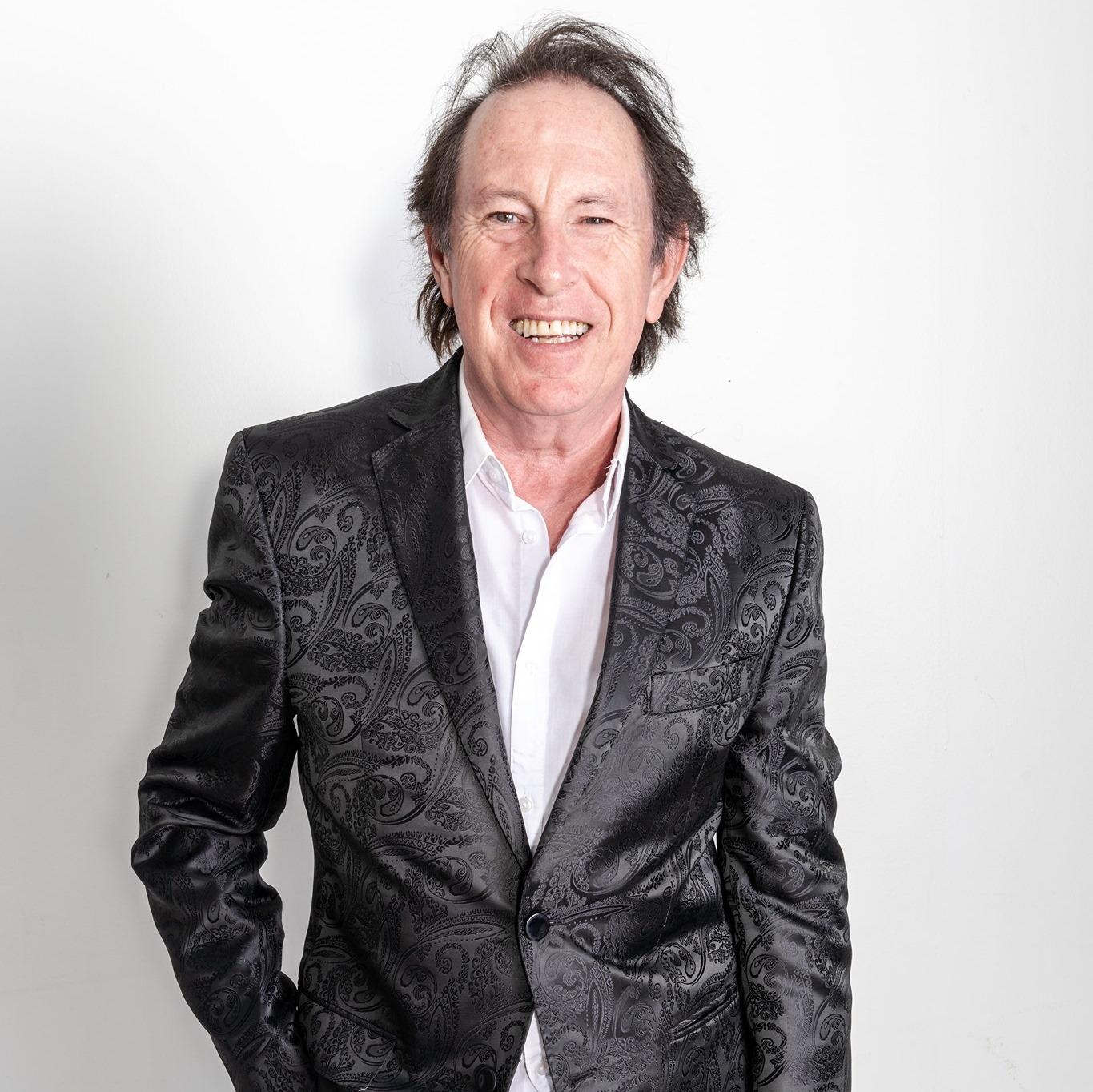
Bryan Lee’s Spotify BioLike so many other musicians in New Orleans, guitarist, singer and songwriter Bryan Lee came to the Crescent City from somewhere else. But he carefully honed and refined his craft in the city's bars for many years until he became a New Orleans institution. He played at 25 of the prestigious New Orleans Jazz and Heritage Festivals, marking his 25th year at the springtime festival in 2009.
Lee was born Bryan Lee Kumbalek in Two Rivers, Wisconsin. In his youth, he listened to WLAC in Nashville, and became enamored with the sounds of Muddy Waters, Elmore James, B.B. King, Howlin' Wolf, and others. He fell in love with the music, the poetry of the lyrics, and the art form. By the time Lee was 15, he was playing guitar in a variety of rock and blues-rock bands, and in his late teens he befriended guitar slinger Luther Allison, who played many of the same Wisconsin clubs Lee was playing in. By 1981, Lee and his band had the chance to open for Muddy Waters at Summerfest in Milwaukee. Lee and Wa…ters talked in the dressing room, and Lee told Waters how honored he was to be opening for a legend like Waters. Waters gave Lee some inspiration: "Bryan, my friend, don't stop what you're doing, because one day you're going to be a living legend."
Lee moved to New Orleans in 1982 and began a long residency at the Old Absinthe House in the French Quarter. A 13-year-old Kenny Wayne Shepherd asked to sit in one night, and the experience proved to be a revelatory one for Shepherd, later one of the bright stars of the blues-rock scene. Shepherd said he knew right then and there that playing guitar and playing blues and blues-rock was what he wanted to do with the rest of his life. Appropriately, Shepherd included Lee in his documentary 10 Days Out: Blues from the Backroads.
Although health problems curtailed Lee's national and international touring during the 2000s and his music studio in New Orleans was destroyed by Hurricane Katrina floodwaters in 2005, he pressed on. (He later restricted his time on the road to three-week tours.) In 2013, after gigs became harder to come by in New Orleans, Lee relocated to Florida. He died on August 21, 2020, in Sarasota at the age of 77.
Lee's discography was extensive and his original songs sparkled with authenticity. His albums included The Blues Is… in 1991 for Canada-based Justin Time Records; Braille Blues Daddy in 1995; Live at the Old Absinthe House Bar in 1997; Crawfish Lady in 2000; Katrina Was Her Name in 2007, and My Lady Don't Love My Lady in 2009, all for Justin Time Records. Play One for Me was released in 2014. ~ Richard Skelly, Rovi
Viberate is a music analytics platform built for A&Rs, artist managers, labels, booking agents, marketers, and artists.
It helps music professionals track artist growth, analyze audience data, monitor playlist activity, compare artists, follow song performance, and identify opportunities across the music market.
Public artist pages provide a free preview of selected artist data. Paid plans provide access to deeper analytics, historical data, charts, comparisons, playlist tools, exports, alerts, reports, and additional professional features.
Yes. Public Viberate artist pages provide selected artist analytics and music data for free.
Viberate also offers a 7-day free trial of the full platform. A credit card is required to start the trial. The trial includes access to the complete product so users can test deeper artist analytics, historical views, playlist insights, comparisons, charts, exports, alerts, and reporting features before choosing a paid plan.
Viberate provides artist analytics across streaming, playlists, social media, video, radio airplay, songs, and audience markets.
Users can analyze Spotify performance, Spotify and Apple Music playlists, YouTube activity, TikTok and Instagram growth, radio spins, song performance, audience locations, demographics, rankings, and overall artist momentum.
Artist profiles also connect to music charts, similar artists, and comparison tools, helping users benchmark performance and evaluate artists in context.
Viberate updates key artist and track data daily.
For followed artists and tracks, selected data is refreshed multiple times per day. This helps teams monitor playlist changes, streaming movement, audience growth, releases, and campaign performance with more current data.
Update frequency can vary depending on the metric and data source.
Yes. Viberate lets users compare up to five artists side by side across streaming, social media, audience, and engagement metrics.
Users can compare fanbase growth, audience demographics, locations, Spotify performance, social metrics, and other artist data over selected time periods.
Artist comparison can be used for A&R scouting, benchmarking, booking decisions, campaign planning, and evaluating artists with similar audiences or market positions.