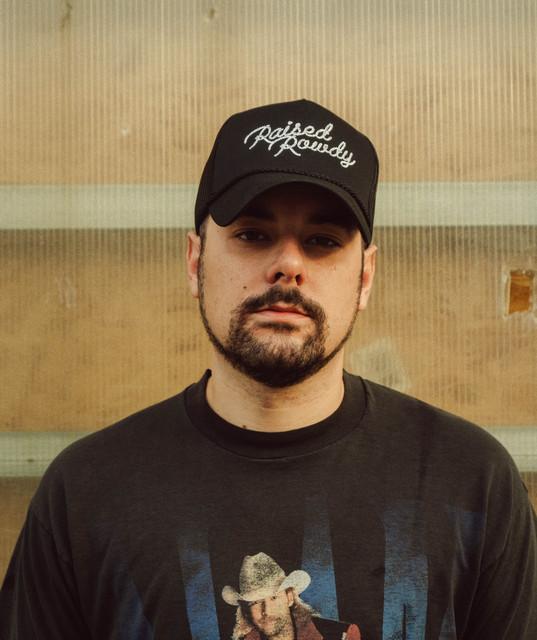
Bryan Frazier

Country
Americana/Alt Country
 Viberate Rank: 248440
 Viberate Rank: 248440
 Monthly ListenersFollowers
 Subscribers
 Followers
 Followers
 FansTop Spotify Songs
| Track | 7-Day Streams | |
|---|---|---|
1 | 44.47K | |
2 | 1.41K | |
3 | 551 | |
4 | 276 | |
5 | 269 |
Top YouTube VideosMonthly ListenersFeatured in Playlists| Playlist | Followers | |
|---|---|---|
1 |  COUNTRY HITS 2026 🔥 New Country Songs + Top Hits Spot | 1.25M |
2 |  Best of Country | Country Hits 2026 Country's Best | 79.58K |
3 |  Hot Country 2026 majohnson445 | 28.05K |
4 |  Country Music 2026 Wedge Music | 26.70K |
5 |  Country Rock Route The Route of Rock | 25.04K |
Audience| City | Monthly Listeners | |
|---|---|---|
1 |  | 1.06K |
2 | | 1.04K |
3 |  | 910 |
4 | | 662 |
5 | | 534 |
See full performance history, audience data, playlist activity, rankings, comparisons, and more in Viberate music analytics. Start with a free trial, then continue with a paid plan.
Bryan Frazier’s Spotify BioSince relocating to Nashville in 2015, Frazier has quickly become a sought-after songwriter and rising artist within Music City’s competitive landscape. His writing credits include Ryan Nelson's “Next One,” Trevor Snider's “Runnin’ Wild,” Cody Hibbard's “Beer Problem,” Chris Ruediger's “When It Don’t,” and Nick Walker's “I Can't Write You A Love Song”. That momentum behind the pen has translated seamlessly to the stage, earning him opening slots for artists such as Kameron Marlowe, Cole Swindell, Tyler Rich, and Phil Vassar.
As an artist, Frazier continues to carve his own lane with over 22 releases, including “ECHO,” “Missin' You,” “Damn BNA,” “Faded,” and “Put Me In A Bar,” amassing millions of streams and securing placements on Spotify’s All Genre Fresh Finds, Fresh Finds Country, and New Music Nashville playlists. His growing catalog and dynamic live show have led to performances on some of Nashville’s most iconic stages, including The Bluebird Cafe and Bridgestone Arena
With roots… grounded in tradition and production that nods to arena-rock grit, Bryan Frazier stands at the intersection of country’s past and its next chapter.
Viberate is a music analytics platform built for A&Rs, artist managers, labels, booking agents, marketers, and artists.
It helps music professionals track artist growth, analyze audience data, monitor playlist activity, compare artists, follow song performance, and identify opportunities across the music market.
Public artist pages provide a free preview of selected artist data. Paid plans provide access to deeper analytics, historical data, charts, comparisons, playlist tools, exports, alerts, reports, and additional professional features.
Yes. Public Viberate artist pages provide selected artist analytics and music data for free.
Viberate also offers a 7-day free trial of the full platform. A credit card is required to start the trial. The trial includes access to the complete product so users can test deeper artist analytics, historical views, playlist insights, comparisons, charts, exports, alerts, and reporting features before choosing a paid plan.
Viberate provides artist analytics across streaming, playlists, social media, video, radio airplay, songs, and audience markets.
Users can analyze Spotify performance, Spotify and Apple Music playlists, YouTube activity, TikTok and Instagram growth, radio spins, song performance, audience locations, demographics, rankings, and overall artist momentum.
Artist profiles also connect to music charts, similar artists, and comparison tools, helping users benchmark performance and evaluate artists in context.
Viberate updates key artist and track data daily.
For followed artists and tracks, selected data is refreshed multiple times per day. This helps teams monitor playlist changes, streaming movement, audience growth, releases, and campaign performance with more current data.
Update frequency can vary depending on the metric and data source.
Yes. Viberate lets users compare up to five artists side by side across streaming, social media, audience, and engagement metrics.
Users can compare fanbase growth, audience demographics, locations, Spotify performance, social metrics, and other artist data over selected time periods.
Artist comparison can be used for A&R scouting, benchmarking, booking decisions, campaign planning, and evaluating artists with similar audiences or market positions.