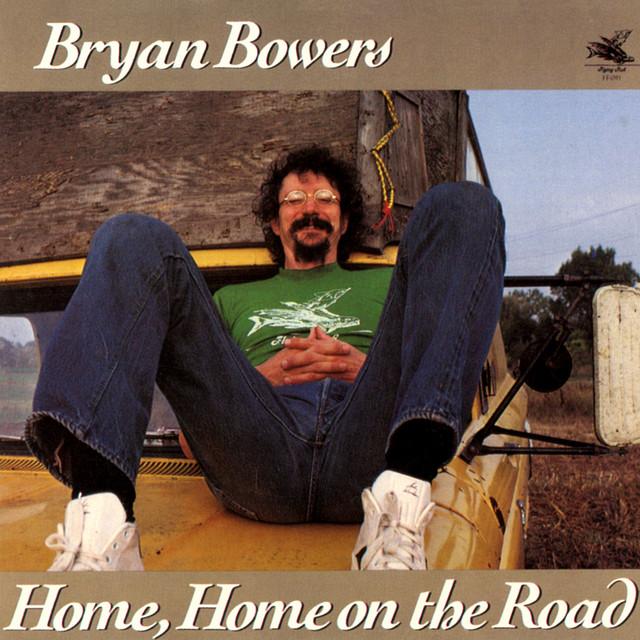
Bryan Bowers

Rock
Indie Rock
Folk Rock
 Viberate Rank: 242731
 Viberate Rank: 242731
 Monthly ListenersFollowers
 Subscribers
 Followers
 Followers
 FansTop Spotify Songs
| Track | 7-Day Streams | |
|---|---|---|
1 | 8.98K | |
2 | 3.88K | |
3 | 84 | |
4 | 80 | |
5 | 54 |
Top YouTube Videos| Video | 7-Day Views | |
|---|---|---|
1 | 76 | |
2 | 71 | |
3 | 52 | |
4 | 50 | |
5 | 48 |
Monthly ListenersFeatured in Playlists| Playlist | Followers | |
|---|---|---|
1 |  The Sound of Everything The Sounds of Spotify | 53.82K |
2 |  Dr Demento Favorites Cade Benoit | 14.83K |
3 |  🦌 Deer Hunting Playlist 🦌 Codyissuperhot | 8.95K |
4 | Dr Demento Flashbacks Paul Jankovskis | 5.99K |
5 | Psychedelic Country & Weird American Music Tyler Roberts | 5.59K |
Audience| City | Monthly Listeners | |
|---|---|---|
1 |  | 251 |
2 | | 157 |
3 | | 150 |
4 | | 138 |
5 | | 130 |
See full performance history, audience data, playlist activity, rankings, comparisons, and more in Viberate music analytics. Start with a free trial, then continue with a paid plan.
Bryan Bowers’ Spotify BioAutoharpist Bryan Bowers was born in Yorktown, Virginia, on August 18, 1940. As a boy, he would often sing along with the call-and-response harmonies of the railroad workers. He enrolled at Randolph Macon College in Ashland, Virginia, where he eventually began playing the guitar, but an itinerant multi-instrumentalist turned him on to the autoharp, and he was immediately hooked. Bowers dropped out of school and in 1971 moved to Seattle.
While in Washington, Bowers busked on street corners and in barrooms, honing his autoharp performance skills. Then he made his way to Washington, D.C., where he was noticed by the Dillards during a performance at that city's famed folk club, The Cellar Door. He tagged along with the band to a bluegrass festival in Berryville, Virginia, and when they brought Bowers out for their final encore, he brought the house down. Bowers' five-fingered picking of the instrument (rather than the traditional strum) was unique and added resonance to his already dynamic… performances.
In 1977, Bowers signed with the Flying Fish label, which released his debut in 1977. View from Home featured contributions from New Grass Revival members Sam Bush and Courtney Johnson. Released in 1980, Home, Home on the Road showcased not only Bowers' astonishing autoharp technique, but his easygoing wit as well. Bowers was always as much a singer and storyteller as he was an instrumental virtuoso; the rich vocals and Celtic arrangements on his 1982 LP, For You, speak to this. Despite these successful recordings, Bowers was always more comfortable as a live performer, and continued to appear at festivals and workshops throughout the 1980s and '90s. Finally, in 2000, Bowers returned to wax with Friend for Life. He also released an instructional autoharp video intended for intermediate players interested in taking the next step toward advanced songs and styles. ~ Johnny Loftus, Rovi
Viberate is a music analytics platform built for A&Rs, artist managers, labels, booking agents, marketers, and artists.
It helps music professionals track artist growth, analyze audience data, monitor playlist activity, compare artists, follow song performance, and identify opportunities across the music market.
Public artist pages provide a free preview of selected artist data. Paid plans provide access to deeper analytics, historical data, charts, comparisons, playlist tools, exports, alerts, reports, and additional professional features.
Yes. Public Viberate artist pages provide selected artist analytics and music data for free.
Viberate also offers a 7-day free trial of the full platform. A credit card is required to start the trial. The trial includes access to the complete product so users can test deeper artist analytics, historical views, playlist insights, comparisons, charts, exports, alerts, and reporting features before choosing a paid plan.
Viberate provides artist analytics across streaming, playlists, social media, video, radio airplay, songs, and audience markets.
Users can analyze Spotify performance, Spotify and Apple Music playlists, YouTube activity, TikTok and Instagram growth, radio spins, song performance, audience locations, demographics, rankings, and overall artist momentum.
Artist profiles also connect to music charts, similar artists, and comparison tools, helping users benchmark performance and evaluate artists in context.
Viberate updates key artist and track data daily.
For followed artists and tracks, selected data is refreshed multiple times per day. This helps teams monitor playlist changes, streaming movement, audience growth, releases, and campaign performance with more current data.
Update frequency can vary depending on the metric and data source.
Yes. Viberate lets users compare up to five artists side by side across streaming, social media, audience, and engagement metrics.
Users can compare fanbase growth, audience demographics, locations, Spotify performance, social metrics, and other artist data over selected time periods.
Artist comparison can be used for A&R scouting, benchmarking, booking decisions, campaign planning, and evaluating artists with similar audiences or market positions.