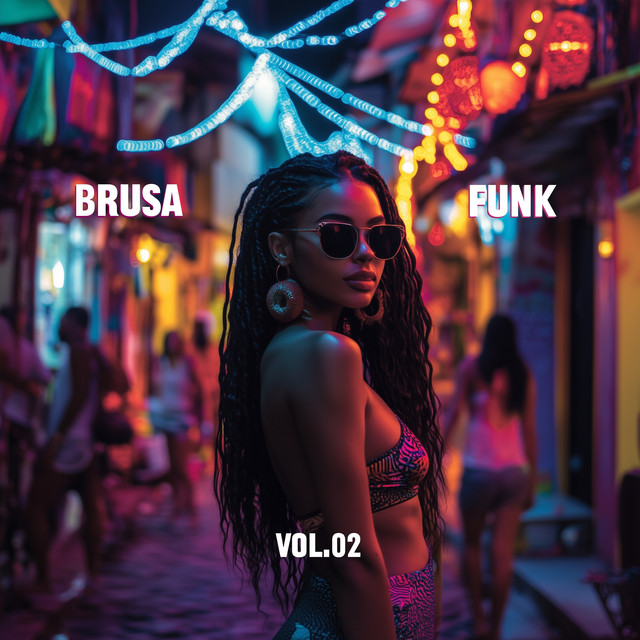
BRUSA FUNK

R&B
Funk
 Viberate Rank: 131116
 Viberate Rank: 131116
 Monthly ListenersFollowers
 Subscribers
 Followers
 Followers
 FansTop Spotify Songs
| Track | 7-Day Streams | |
|---|---|---|
1 | 2.15K | |
2 | 1.56K | |
3 | 1.55K | |
4 | 244 | |
5 | 206 |
Top YouTube VideosMonthly ListenersFeatured in Playlists| Playlist | Followers | |
|---|---|---|
1 |  2010s indie nostalgia broly | 97.70K |
2 |  MTG ATUALIZADO 2026 gu.dsg | 65.93K |
3 | AULA DE BIKE - HIIT 🔥 Lucas vicente | 26.81K |
4 |  MTG INTERNACIONAIS 🎵 AS MELHORES 🔥 Graziela | 19.66K |
5 |  Treino animado (funk) ⚡️🕺🏻 Maria Valentina Salomao | 19.11K |
Audience| City | Monthly Listeners | |
|---|---|---|
1 |  | 2.04K |
2 | | 1.71K |
3 | | 723 |
4 | | 545 |
5 | | 525 |
See full performance history, audience data, playlist activity, rankings, comparisons, and more in Viberate music analytics. Start with a free trial, then continue with a paid plan.
BRUSA FUNK’s Spotify BioBRUSA FUNK is a sound system formed by a collective of producers on a mission to blast and explore Funk as an ample-meaning and ever-expanding genre(s), from late 60's US Funk to the irresistible energy of Brazilian Funk to every corner of the world.
Funk's influence is felt almost everywhere, in music today, from its influences and adjacent genres such as soul, R&B, gospel, and jazz to its many offsprings, be it disco, rap, rock, hip-hop, or EDM.
Its many syncretized subgenres, such as jazz-funk, pop funk, g-funk, the funkadelic movement, boogie, and local ambitious experiments such as Miami Bass (already a form of RAP and hip hop), led to a whole new other genre called Brazilian Funk, which in its turn gave birth to proibidão, MTG, Brega-funk, funk melody, funk ostentação.
We are not concerned with rigid definitions and the frontiers between the genres, on the contrary, we want to implode any limiting definition and freely explore the ever-changing diaspora of black sounds across the… Americas.
BRUSA FUNK drops fresh, revamped fire tracks that make you move and groove with a funky twist.
From the heart of Brazil’s electric nightlife to your favorite playlist, BRUSA FUNK is expanding what funk can be. It’s all about turning up the heat with beats that you just can’t resist.
Get ready to feel the rhythm, join the movement, and dance like no one’s watching.
BRUSA FUNK is here to make sure the funk never stops!
Viberate is a music analytics platform built for A&Rs, artist managers, labels, booking agents, marketers, and artists.
It helps music professionals track artist growth, analyze audience data, monitor playlist activity, compare artists, follow song performance, and identify opportunities across the music market.
Public artist pages provide a free preview of selected artist data. Paid plans provide access to deeper analytics, historical data, charts, comparisons, playlist tools, exports, alerts, reports, and additional professional features.
Yes. Public Viberate artist pages provide selected artist analytics and music data for free.
Viberate also offers a 7-day free trial of the full platform. A credit card is required to start the trial. The trial includes access to the complete product so users can test deeper artist analytics, historical views, playlist insights, comparisons, charts, exports, alerts, and reporting features before choosing a paid plan.
Viberate provides artist analytics across streaming, playlists, social media, video, radio airplay, songs, and audience markets.
Users can analyze Spotify performance, Spotify and Apple Music playlists, YouTube activity, TikTok and Instagram growth, radio spins, song performance, audience locations, demographics, rankings, and overall artist momentum.
Artist profiles also connect to music charts, similar artists, and comparison tools, helping users benchmark performance and evaluate artists in context.
Viberate updates key artist and track data daily.
For followed artists and tracks, selected data is refreshed multiple times per day. This helps teams monitor playlist changes, streaming movement, audience growth, releases, and campaign performance with more current data.
Update frequency can vary depending on the metric and data source.
Yes. Viberate lets users compare up to five artists side by side across streaming, social media, audience, and engagement metrics.
Users can compare fanbase growth, audience demographics, locations, Spotify performance, social metrics, and other artist data over selected time periods.
Artist comparison can be used for A&R scouting, benchmarking, booking decisions, campaign planning, and evaluating artists with similar audiences or market positions.