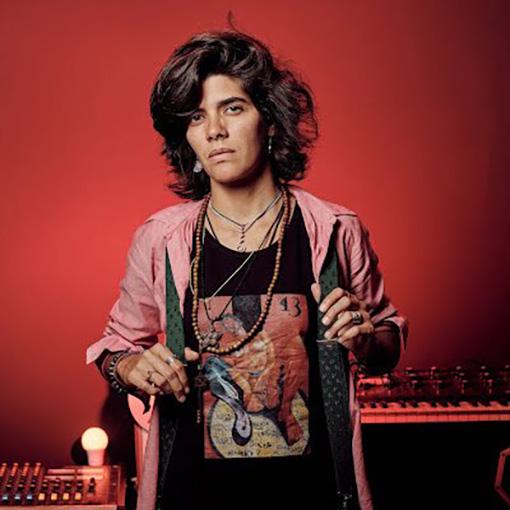
Bruno Batista

Pop
Latin Pop
Nova MPB
 Viberate Rank: 333241
 Viberate Rank: 333241
 Monthly ListenersFollowers
 Subscribers
 Followers
 Followers
 FansTop Spotify Songs
| Track | 7-Day Streams | |
|---|---|---|
1 | 44 | |
2 | 38 | |
3 | 30 | |
4 | 28 | |
5 | 27 |
Top YouTube VideosMonthly ListenersFeatured in Playlists| Playlist | Followers | |
|---|---|---|
1 |  A Maior Playlist de Música Brasileira do Mundo Petrobras | 9.01K |
2 |  Santo Forte Filipe Rios | 8.09K |
3 | Flavia Ju | 5.78K |
4 | br Louie Ponto | 3.64K |
5 | MPB - NOVA GERAÇÃO BRASILEIRA Bianca Ramos | 3.58K |
Audience| City | Monthly Listeners | |
|---|---|---|
1 | | 90 |
2 | | 43 |
3 | | 35 |
4 | | 23 |
5 | | 18 |
See full performance history, audience data, playlist activity, rankings, comparisons, and more in Viberate music analytics. Start with a free trial, then continue with a paid plan.
Bruno Batista’s Spotify BioNascido em Recife -PE mas criado em São Luís - MA, Bruno Batista é um cantor e compositor brasileiro com 10 anos de carreira
Gravou seu primeiro álbum, homônimo, em 2004, produzido pelo maestro Alberto Farah.
Cinco anos mais tarde, conhece os produtores Guilherme Kastrup e Chico Salem, que viriam a ser os responsáveis pelo seu segundo álbum intitulado “Eu não sei sofrer em inglês". O disco teve participações especiais de Marcelo Jeneci, Rubi, Tulipa Ruiz e Zeca Baleiro e foi bem recebido pela crítica especializada, sendo finalista do “Prêmio Dynamite” e vencedor do Álbum do Ano no “Prêmio Universidade FM”
Em 2014 lançou, “Lá” - produção de Guilherme Kastrup e Rovilson Pascoal - em companhia de alguns dos principais nomes da nova geração de músicos brasileiros além da participação da cantora paulistana Dandara.
"Bagaça", lançado em 2016, é seu quarto álbum e conta com produção esmerada de Rovilson Pascoal, arranjo de cordas de João Carlos Araújo e participações de Marcelo Jeneci, Felipe… Cordeiro e, novamente, Dandara.
Em 2019 Bruno lança o EP “O Bico Triste da Arara”, um projeto de duetos com a presença de Fabiana Cozza, Rita Benneditto, Bruna Caram, Felipe Cordeiro, Criolina, Juçara Marçal, Celso Viáfora e Lívia Mattos.
Viberate is a music analytics platform built for A&Rs, artist managers, labels, booking agents, marketers, and artists.
It helps music professionals track artist growth, analyze audience data, monitor playlist activity, compare artists, follow song performance, and identify opportunities across the music market.
Public artist pages provide a free preview of selected artist data. Paid plans provide access to deeper analytics, historical data, charts, comparisons, playlist tools, exports, alerts, reports, and additional professional features.
Yes. Public Viberate artist pages provide selected artist analytics and music data for free.
Viberate also offers a 7-day free trial of the full platform. A credit card is required to start the trial. The trial includes access to the complete product so users can test deeper artist analytics, historical views, playlist insights, comparisons, charts, exports, alerts, and reporting features before choosing a paid plan.
Viberate provides artist analytics across streaming, playlists, social media, video, radio airplay, songs, and audience markets.
Users can analyze Spotify performance, Spotify and Apple Music playlists, YouTube activity, TikTok and Instagram growth, radio spins, song performance, audience locations, demographics, rankings, and overall artist momentum.
Artist profiles also connect to music charts, similar artists, and comparison tools, helping users benchmark performance and evaluate artists in context.
Viberate updates key artist and track data daily.
For followed artists and tracks, selected data is refreshed multiple times per day. This helps teams monitor playlist changes, streaming movement, audience growth, releases, and campaign performance with more current data.
Update frequency can vary depending on the metric and data source.
Yes. Viberate lets users compare up to five artists side by side across streaming, social media, audience, and engagement metrics.
Users can compare fanbase growth, audience demographics, locations, Spotify performance, social metrics, and other artist data over selected time periods.
Artist comparison can be used for A&R scouting, benchmarking, booking decisions, campaign planning, and evaluating artists with similar audiences or market positions.